
Trace of the Villa: Locked-room logic, forensic clue chains, and the mechanics that make the mansion tell its story
Trace of the Villa drops you into a remote, deliberately erased mansion where Jin—searching for his missing sister—must restore power and coax secrets out of locked systems, safes, and scattered documents. The game frames investigation as systems work: flip a breaker, watch secured hardware come back online, then read the environment to turn faint traces into a tightly linked chain of clues.

Who it is for
If you prefer atmospheric mystery adventure and story-rich investigation over twitchy combat, Trace of the Villa is pitched at players who enjoy methodical, clue-driven exploration. Fans of slow-burn suspense and environmental storytelling—players who read rooms like documents and reconstruct timelines from fragments—will find the mansion’s locked doors, safes, and offline systems rewarding. It’s a single-player experience with accessibility options (color alternatives, subtitle options, custom volume controls) listed on its Steam page.
What the game is — the official premise and tone
Developer/publisher: Steadyturtle Co., Ltd.
Release date on Steam: 28 May, 2026.
Genres listed: Action, Adventure, Indie.
Official short description: “Jin has spent years searching for his missing sister, pursuing leads that took him to a remote, decaying mansion where he recovered manifests and hints that indicate his sister may still be alive, somewhere at the end of the trail he is about to follow.”
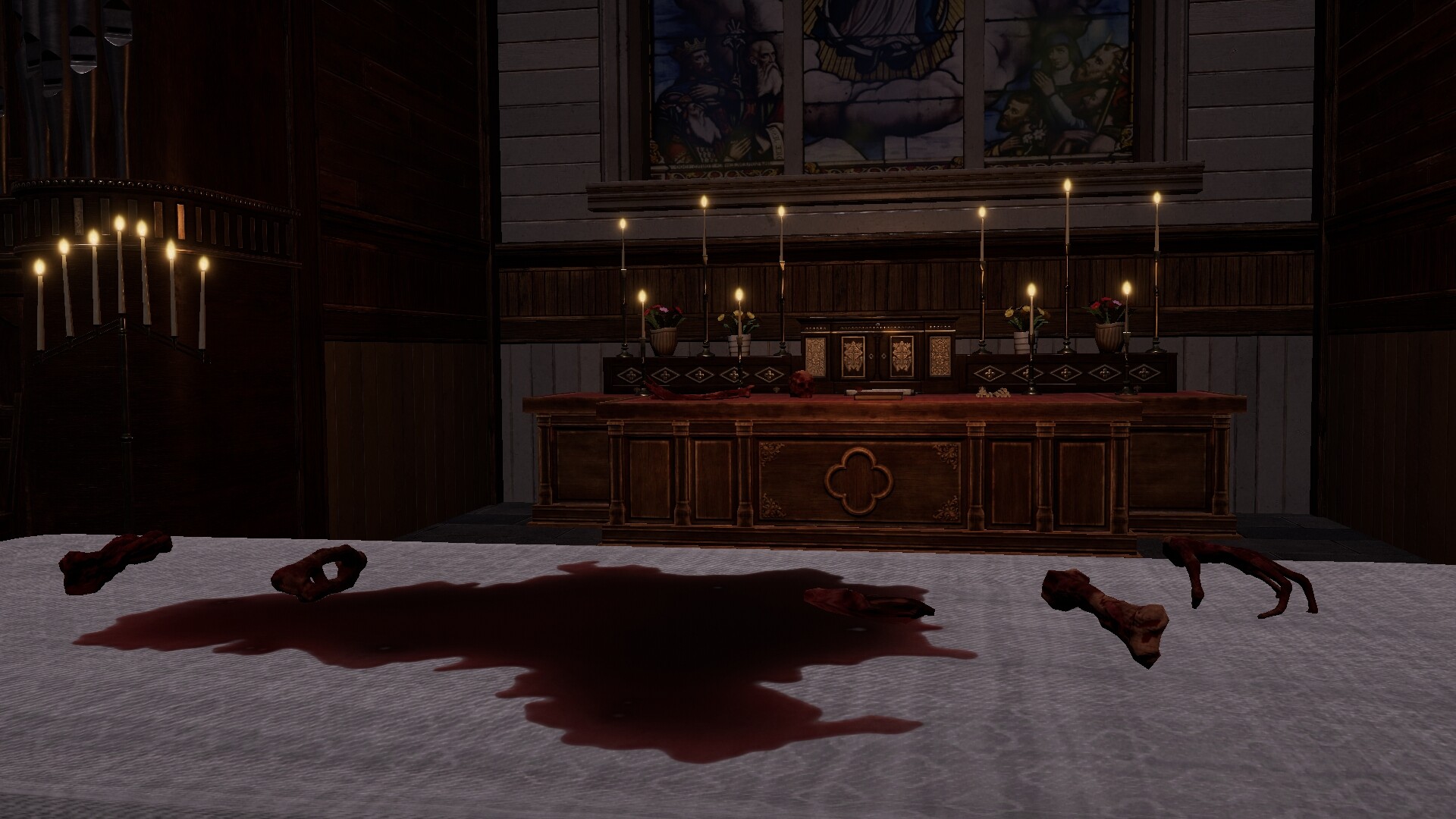
The longer official description frames the mansion as a place that has been “erased”: furnished rooms with missing names and photographs, locked doors and hastily secured secrets. When Jin restores power to the estate, secured systems come back online, hidden compartments unlock, and safes yield fragments of encrypted documents and suspicious transfer records. The investigative thread is financial trails, falsified identities, and movements masked behind fals—telling you that the mystery is procedural and systems-oriented, not purely supernatural or jump-scare driven.
When and where — Steam context
Trace of the Villa is available on Steam (app ID 3483660). The store page lists it as a single-player PC title with features such as Family Sharing and “Playable without Timed Input,” making it friendly to players who prefer to take notes and think through puzzles without pressure.
Why the theme matters: power, systems, safes, documents
The core investigative motif here is infrastructural: you don’t just find a key and open a door—power and systems are the scaffolding of discovery. Restoring electricity brings subsystems online; those subsystems are the game’s gating mechanics. Safes and encrypted documents act as forensic nodes in clue chains: each recovered manifest or transfer record reframes what you thought you knew about who came and went. That design encourages locked-room thinking—treat the mansion as a finite puzzle box whose interior logic must be reconstructed from artifacts and system states.
How you progress — the player-facing mechanics (official details)
- Restoring power is explicitly part of the premise: bring the estate’s electrical systems back and watch secured hardware reactivate.
- Secured systems and hidden compartments unlock as a direct consequence of player actions; safes yield fragments of encrypted documents and suspicious transfer records.
- Puzzle progression works through chains of evidence: manifests, security systems, and financial records are the raw materials for timeline reconstruction and identity verification.
- The Steam page lists accessibility and comfort options—color alternatives, subtitle options, custom volume controls—and notes the game is playable without timed input, supporting a slower, methodical playstyle.

Player scenarios — will this fit your playstyle?
- The methodical reader: You take notes, map room-to-room evidence, and enjoy reconstructing timelines from receipts, manifests, and digital logs. The game’s emphasis on documents and safes caters to you.
- The systems-minded puzzler: You like puzzles that behave like machinery—flip a breaker, watch a lockserver reply, then follow the cascade of enabled interactions. Restoring power and seeing systems react will be a satisfying feedback loop.
- The narrative-first player: You want character stakes and slow-burn mystery. Jin’s personal search for his missing sister provides a human through-line amid procedural discovery, but expect the story to be revealed through environmental clues and recovered records rather than expository cutscenes alone.
- The multiplayer/co-op escape fan: Trace of the Villa is single-player; if your habit is coordinating in real-time with others (like in Escape Simulator’s co-op rooms), this is a solitary, contemplative experience rather than a shared puzzle session.
Quick facts
| Title | Trace of the Villa |
|---|---|
| Steam app ID | 3483660 |
| Developer / Publisher | Steadyturtle Co., Ltd. |
| Release date | 28 May, 2026 |
| Genres | Action / Adventure / Indie |
| Categories (selected) | Single-player; Color Alternatives; Custom Volume Controls; Playable without Timed Input; Subtitle Options; Family Sharing |
| Official premise | Jin searches a decaying mansion, restores power, and uncovers manifests, encrypted documents, and suspicious transfer records while pursuing clues about his missing sister. |
How it compares — lawful editorial comparisons
Below is a concise editorial comparison on playable focus and tone. These comparisons use public descriptions and genre tags; they are not claims of quality or endorsement.
| Title | Genre / Core focus | Atmosphere & Story Tone | Puzzle & Exploration Style | Player fit |
|---|---|---|---|---|
| Trace of the Villa | Action / Adventure / Indie | Slow-burn mansion mystery; investigative, systems-oriented | Locked-room logic, restore power, safes and encrypted documents; environmental reading | Players who favor solitary, methodical clue chains and forensic note-taking |
| The Room | Adventure / Indie | Enigmatic, tactile mystery centered on a single, ominous object | Focused puzzle box mechanics and object-based problem solving | Players who like intimate, highly tactile single-object puzzles |
| The Room Two | Adventure / Indie | Expands the cryptic atmosphere into broader locales; still solitary and puzzle-focused | Multi-stage tactile puzzles with a cohesive mysterious throughline | Those who enjoyed The Room and want a larger scale of similar puzzle design |
| Escape Simulator | Adventure / Casual / Indie / Simulation | Varied—often whimsical or community-driven; less emphasis on a single narrative | Highly interactive escape rooms; physics, item manipulation, community-made content and co-op | Players who enjoy hands-on interaction, breaking and reassembling puzzles, and multiplayer rooms |
| Hi-Fi RUSH | Action | High-energy, music-driven combat and tone; not mystery-focused | Pace-centric, rhythm-action systems rather than environmental puzzle chains | Players seeking action and rhythm-synced gameplay rather than contemplative investigation |
YouTube discovery
If you want trailers or gameplay footage, use this YouTube search path (search results may include trailers or fan uploads; none are claimed official here): View Trace of the Villa on Steam
Leave a Reply