
Trace of the Villa — an escape-room style mystery built from power, safes, and documents
Trace of the Villa puts you in Jin’s shoes: a slow-burn, clue-driven investigation inside a deliberately forgotten mansion where restoring power unthreads hidden systems, locked compartments, and encrypted documents. The game foregrounds locked-room thinking and environmental reading — every restored circuit or opened safe yields another link in a chain of evidence that nudges the narrative forward.

Quick facts
| Title | Trace of the Villa |
|---|---|
| Developer / Publisher | Steadyturtle Co., Ltd. |
| Steam appid | 3483660 |
| Release date | 28 May, 2026 |
| Genres | Action, Adventure, Indie |
| Notable Steam categories | Single-player; Color Alternatives; Custom Volume Controls; Playable without Timed Input; Subtitle Options; Family Sharing |
| Official short description | Jin has spent years searching for his missing sister, pursuing leads that took him to a remote, decaying mansion where he recovered manifests and hints that indicate his sister may still be alive, somewhere at the end of the trail he is about to follow. |
Who is Trace of the Villa for?
If you enjoy atmospheric mystery adventure that rewards methodical, observational play, this is aimed at you. Players who prefer story-rich exploration with puzzle loops centered on reading the environment, restoring state to systems, and piecing together documentary evidence will find the design appealing. It’s less about twitch reflexes and more about locked-room logic: identifying cause-and-effect across rooms, following paperwork and ledgers, and using technical fixes (restoring power, reactivating systems) to reveal new clues.
What the game is (and how it uses official premise mechanics)
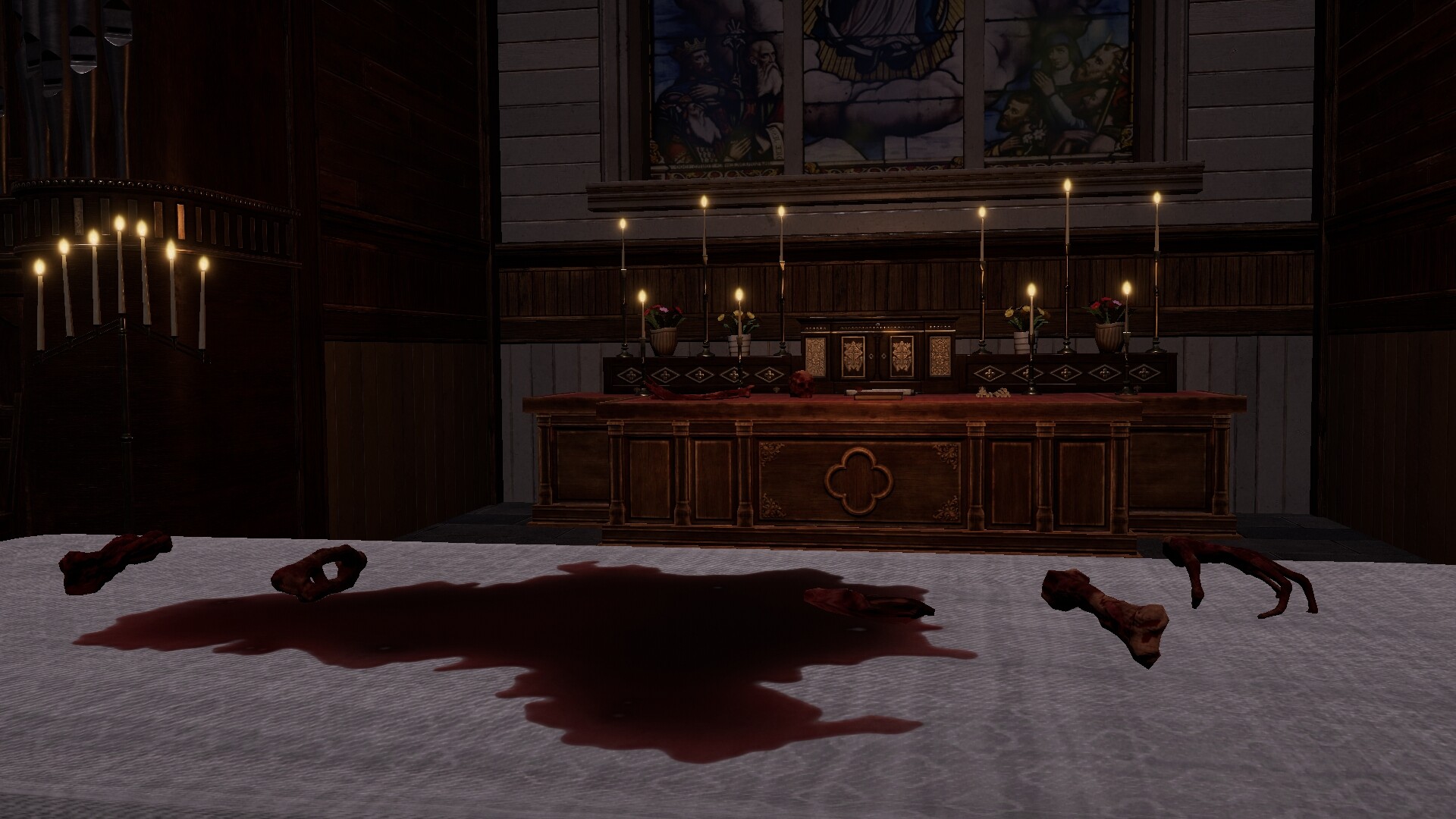
According to the official Steam description, Jin’s investigation turns on reactive mechanics tied to estate infrastructure. Restoring power is a mechanical and narrative fulcrum: when the house’s electricity returns, “secured systems come back online,” “hidden compartments unlock,” and “safes yield fragments of encrypted documents and suspicious transfer records.” Those recovered manifests, falsified identities, and financial traces form the clue chains you must follow. The mansion is presented as more than an abandoned residence — rooms appear left mid-routine, identities deliberately removed, and movements masked behind falsified paperwork — so environmental storytelling and document forensics are central puzzle elements.

When and where — Steam release context
Trace of the Villa released on 28 May, 2026 on Steam. The page lists Steadyturtle Co., Ltd. as both developer and publisher and tags the title under Action, Adventure, and Indie. Steam-specific accessibility settings (color alternatives, custom volume controls, subtitle options, and playability without timed input) suggest the team considered options for different player needs.
Why the focus on power, safes, and documents matters
Mechanically tying progression to systems and artifacts steers the mystery toward investigative labor rather than abstract puzzle-solving. Restoring power is not only a tactile objective; it’s also a narrative device that converts inert scenery into active evidence. Safes and encrypted documents provide incremental revelations instead of one-off puzzles: each recovered ledger, transfer record, or fragment reshapes hypotheses about who was there, how identities were erased, and where Jin’s trail might continue. For players who value investigative pacing and evidence chains — the kind of satisfaction that comes from connecting a ledger entry to a room’s layout and then to a locked cabinet — this structure amplifies immersion.
How you read clues and make progress
Expect gameplay loops that alternate between environmental reading and mechanical restoration. The official description emphasizes that returning power “brings systems back online” and that safes “yield fragments of encrypted documents.” That implies a pattern: scan an area for visual leads; locate and repair or reactivate a system; access previously inaccessible storage; analyze recovered documents to point to the next location or system. Locked-room thinking here is literal — solutions often require reconstructing prior states and understanding why spaces were secured or erased.
Player scenarios — who should wishlist this
- Evidence-driven explorers: you want to follow a chain of paper trails, manifests, and transfer records to build a timeline.
- Players who like mechanical problem-solving: you appreciate puzzles tied to estate infrastructure (power, locked systems, safes) rather than purely symbolic riddles.
- Mystery and slow-burn narrative fans: you prefer atmosphere and gradual reveals over combat or high-speed action; the setup is personal and investigative.
- Accessibility-minded PC players: Steam categories show subtitle options and settings that reduce reliance on timed inputs.
How it compares to nearby puzzle/mystery experiences
| Title | Release | Primary focus | Puzzle / exploration style | Tone & pacing (editorial) |
|---|---|---|---|---|
| The Room | 28 Jul, 2014 | Single-player puzzle adventure | Focused, tactile mechanical puzzles (cast-iron safe and intricate devices) | Intimate, atmospheric; puzzle-centric and contemplative |
| The Room Two | 5 Jul, 2016 | Single-player puzzle adventure | Sequential tactile puzzles across connected locales | Expands scale from the original; keeps a deliberate, mysterious pacing |
| Escape Simulator | 19 Oct, 2021 | Interactive escape-room simulation (solo or co-op) | Highly physical interaction with objects and environments; user-made rooms | Variable pacing (room-dependent); playful and experimental compared to narrative-led mysteries |
| Hi‑Fi RUSH | 25 Jan, 2023 | Action (rhythm-based combat) | Not puzzle-focused; action and rhythm sync gameplay | Fast, kinetic and music-driven — a stylistic contrast to slow-burn investigative titles |
Editorial note: these comparisons use genre, atmosphere, puzzle focus, exploration style, story tone, and pacing as fair criteria for readers deciding fit; they do not imply endorsement or official connection between the titles.
YouTube discovery
If you want trailer or gameplay footage, search on YouTube: Trace of the Villa trailer & gameplay (search). This search link is provided for discovery; specific videos should be verified on a case-by-case basis.
View Trace of the Villa on Steam
Referenced titles and trademarks are the property of their respective owners. Comparisons in this piece are editorial discovery only and not claims of endorsement or affiliation.
Leave a Reply