
Trace of the Villa — How locked‑room thinking, clue chains and environmental reading drive a mansion mystery
Trace of the Villa drops you into a decaying, off‑grid mansion where Jin, the protagonist, is following signs that his missing sister may still be alive. When power is restored, the house’s systems, safes and documents begin to yield a chain of secured clues that push a slow, investigative mystery forward.

Who, what and where: the basics
Who: Developed and published by Steadyturtle Co., Ltd., Trace of the Villa centers on Jin, a searcher tracking a lead about his missing sister.
What: A Steam PC release listed under Action, Adventure, Indie with single‑player and accessibility options such as color alternatives, custom volume controls, subtitle options, and playability without timed input.
When & where: The game released on Steam on 28 May, 2026 and is available on the Trace of the Villa Steam page.
| Title | Trace of the Villa |
| Developer / Publisher | Steadyturtle Co., Ltd. |
| Release date | 28 May, 2026 |
| Genres / Categories | Action, Adventure, Indie — Single‑player; Color alternatives; Custom volume controls; Playable without timed input; Subtitle options; Family Sharing. |
| Premise highlights | A remote mansion cut off from the grid; restoring power brings secured systems back online; safes and encrypted documents reveal financial trails and falsified identities. |
Why the mechanics matter: power, systems, safes, documents
The official store description makes those mechanics the narrative engine. Restoring power isn’t a throwaway action — it’s the trigger that reactivates secured systems, unlocks hidden compartments and lets safes cough up fragments of encrypted documents and suspicious transfer records. Those artifacts form the playable chain of evidence: each recovered file and unlocked lock reframes the mansion from “abandoned” to “erased” and compels the player to connect discrete discoveries into a timeline.
That emphasis positions Trace of the Villa as an environmental, clue‑driven experience: you read the house as much as you read written notes. Rooms that look like they were vacated mid‑routine, locked doors that hide hurriedly secured secrets, and personal items intentionally stripped of names all direct attention toward systematic unravelling rather than spectacle.

How you progress: locked‑room thinking and clue chains
According to the official text, progression revolves around systems coming back online and physical security being pried open. That suggests a puzzle loop where environmental reading yields keys to procedural locks — literal safes, encrypted documents and system terminals — and those unlocked elements point to new locations or new lines of inquiry.
For players this translates into a few practical approaches: methodically scan rooms for out‑of‑place details; treat power and system nodes as pivot points that change available interactions; and map discoveries into a timeline of arrivals and departures to track gaps the official description highlights (arrivals without records, departures without witnesses).
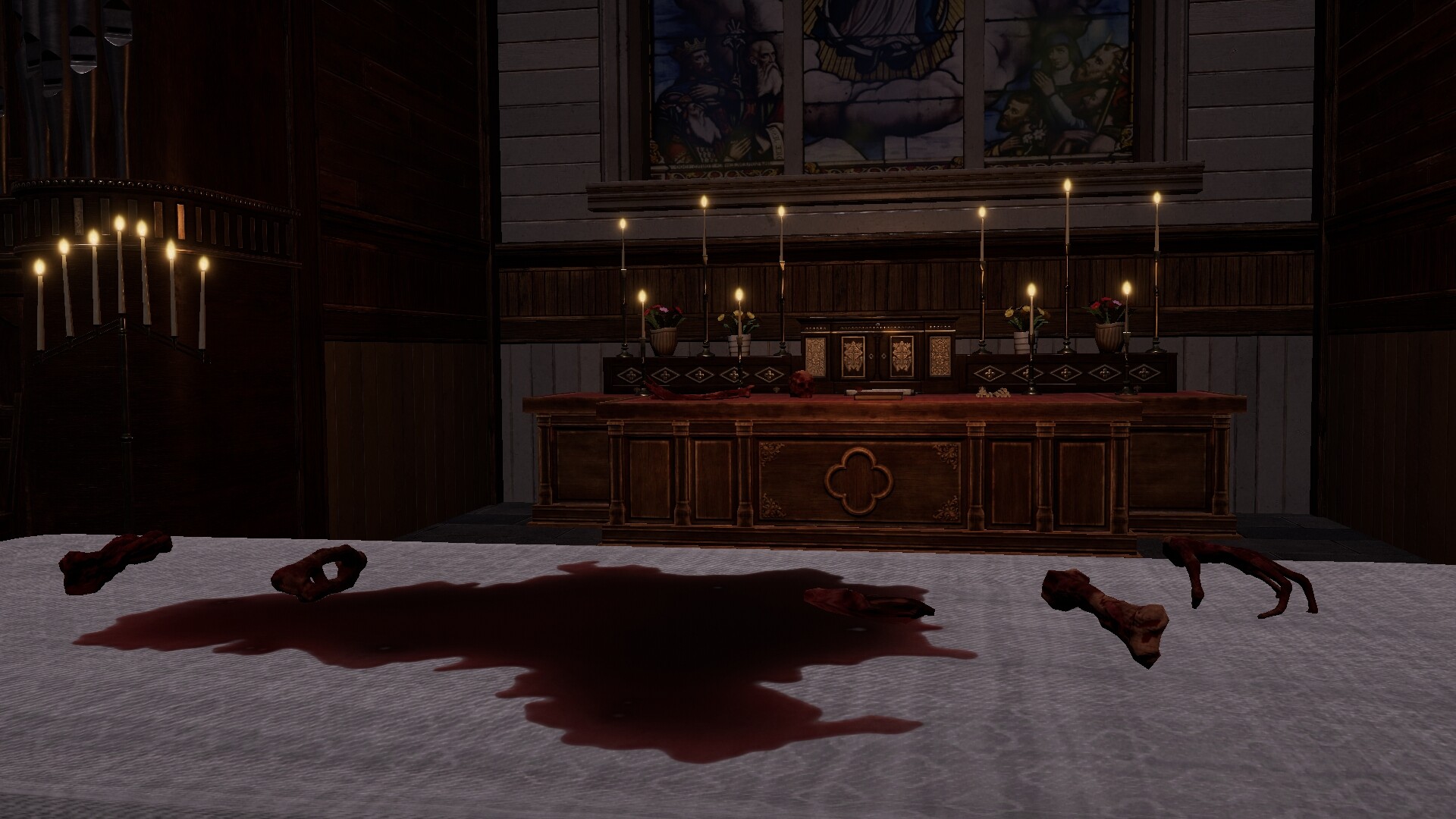
Who should wishlist it — specific player scenarios
- If you prefer slow, story‑rich mysteries: The mansion’s atmosphere, the focus on documents and systems, and the investigative protagonist make it fit players who enjoy deliberate pacing and piecing timelines together.
- If you like environmental storytelling and locked puzzles: The official premise emphasizes that reading rooms and restoring infrastructure matter — a good match for people who enjoy interpreting objects and returning to previously inert systems once power or access is restored.
- Not ideal if you want nonstop action or multiplayer co‑op: The Steam categories list this as single‑player and the description foregrounds personal investigation rather than multiplayer mechanics or high‑tempo combat loops.
How it compares — short editorial table
| Title | Genre / Tone | Puzzle focus | Player fit |
|---|---|---|---|
| Trace of the Villa | Action / Adventure / Indie — decaying mansion, slow‑burn investigative tone | Environmental reading, systems restored to unlock safes and documents | Players who want narrative puzzle chains and atmospheric investigation |
| The Room | Adventure / Indie — intimate, tactile mystery | Mechanical safes and layered physical puzzles (cast‑iron safe motif) | Fans of single‑room, object‑centric puzzle design |
| The Room Two | Adventure / Indie — cryptic, exploratory | Pedestal and object puzzles with escalating complexity | View Trace of the Villa on Steam
YouTube discoveryFor trailer and gameplay discovery, use YouTube search rather than relying on unverified embeds: Find Trace of the Villa trailer and gameplay searches on YouTube. Reader decision checklistUse this checklist before deciding whether Trace of the Villa belongs on your Steam wishlist. The game is most relevant if you enjoy reading environmental evidence, following document trails, inspecting rooms for small inconsistencies, and letting a mystery unfold through objects rather than exposition. It is less about instant spectacle and more about the slow pressure of a place that seems to have been deliberately erased. SEO note for discovery-minded playersPlayers searching for atmospheric mystery adventure, clue-driven exploration, mansion mystery game, story-rich indie adventure, psychological investigation game, or narrative puzzle design are likely looking for the same core appeal: a PC game where the setting is not just a backdrop but the main source of evidence. Trace of the Villa fits that search intent because its official Steam premise centers on Jin, his missing sister, a remote mansion, restored systems, hidden compartments, safes, encrypted documents, and a trail of suspicious records. Final player-fit summaryWishlist Trace of the Villa if you want a slow investigation built around official Steam store elements: a 28 May, 2026 release from Steadyturtle Co., Ltd., a single-player PC/Steam mystery structure, official screenshots showing the mansion atmosphere, and a premise that uses the house itself as a puzzle box. The strongest fit is for players who prefer patience, observation, and narrative reconstruction over fast combat or loud horror beats. CommentsMore posts |
Leave a Reply