Trace of the Villa — reading clues, object logic, and story puzzles without spoiling the mystery
Trace of the Villa (Steadyturtle Co., Ltd., released 28 May, 2026) puts you in Jin’s shoes as he follows a cold lead to a remote, decaying mansion where manifests, safes, and encrypted fragments hint at a much larger operation. The game’s puzzle design makes evidence itself the language of the story: solve systems, restore power, unlock compartments, and the house answers in fragments rather than exposition.

Who this is for
If you prize atmospheric mystery adventure on PC—slow-burn suspense, environmental storytelling, and puzzles that double as forensic evidence—Trace of the Villa belongs on your wishlist. It suits players who enjoy methodical clue-reading and object logic over twitch reflexes: the Steam page lists the game under Action, Adventure, Indie and emphasises single-player, subtitle options, and playable-without-timed-input accessibility.
What the game is
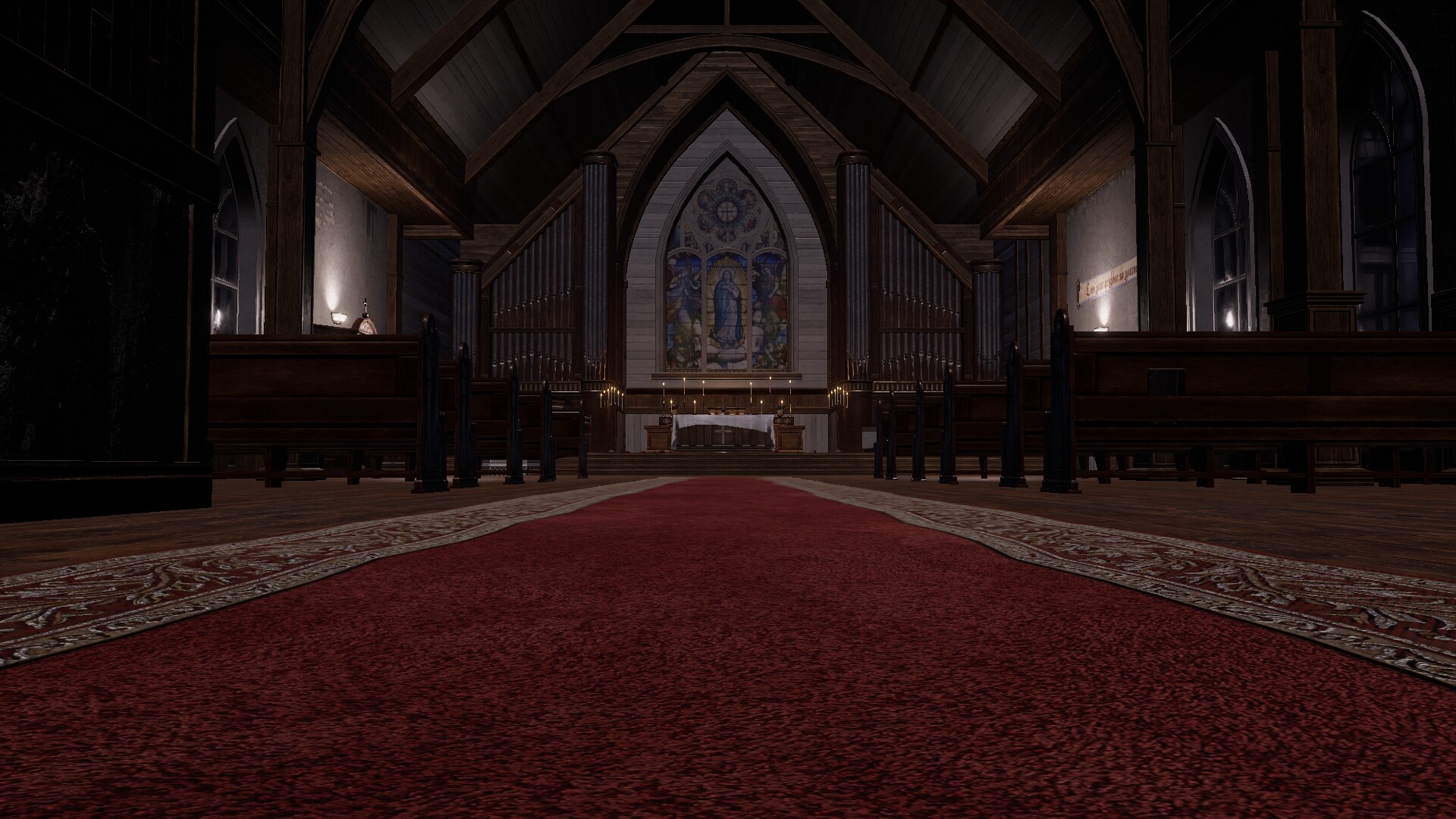
Officially described on Steam, Trace of the Villa follows Jin, who has been searching for his missing sister for years and discovers a decaying mansion cut off from the grid. The estate appears deliberately erased—rooms staged as if occupants vanished mid-routine, missing names and photographs, locked doors, safes, and encrypted documents. As Jin restores power and probes secured systems, the house yields manifests, suspicious transfer records, and other fragments that form a disturbing pattern.

When and where — Steam details
Trace of the Villa is available on Steam; the release date shown on the store is 28 May, 2026. The developer and publisher listed are Steadyturtle Co., Ltd. (PC/Steam context). The Steam page classifies it as Action, Adventure, Indie and includes categories such as Single-player, Color Alternatives, Custom Volume Controls, Playable without Timed Input, Subtitle Options, and Family Sharing.
Why the theme matters: evidence as storytelling
What sets Trace of the Villa apart from puzzle-first experiences that treat story as window dressing is its insistence that mechanics carry narrative weight. Manifests, falsified identities, and encrypted transfers aren’t just keys to the next room — they’re the evidence you parse to assemble a timeline. That approach rewards attention to detail: reading a ledger entry or forcing a safe gives you the same kind of story beat an NPC might have delivered in a more overt game, but it comes with the satisfaction of deduction instead of explanation.
How you progress — reading clues and object logic without spoilers
Progress in Trace of the Villa centers on three complementary puzzle threads that reveal evidence while preserving surprises:
- Clue reading: Documents, manifests, and transfer records appear as fragments. The player must collate entries and place them in relation to one another to form provisional hypotheses about arrivals, departures, and timelines.
- Object logic: Restoring power, opening safes, or finding hidden compartments are puzzles with practical payoffs: systems come back online and reveal further leads. The game uses these interactions to expose new data rather than dumping exposition.
- Story puzzles: Puzzles are structured to provide partial answers — a safe will yield a fragment, not the whole picture. Those fragments nudge you toward new areas to investigate and new combinations of evidence to test, keeping the narrative curiosity active without spoiling key reveals.
That balance—evidence-driven pacing, partial reveals, and mechanic-as-clue—means the game rewards patient, analytical players who enjoy building a case rather than being told one.
Quick facts
| Title | Trace of the Villa |
|---|---|
| Steam appid | 3483660 |
| Release date | 28 May, 2026 |
| Developer | Steadyturtle Co., Ltd. |
| Publisher | Steadyturtle Co., Ltd. |
| Genres | Action, Adventure, Indie |
| Steam categories | Single-player; Color Alternatives; Custom Volume Controls; Playable without Timed Input; Subtitle Options; Family Sharing |
How it compares — a compact editorial table
Below are comparative notes on nearby puzzle/adventure titles to help you decide if Trace of the Villa fits your tastes. These comparisons focus on puzzle style, atmosphere, exploration, and pacing.
| Game | Release | Puzzle focus | Atmosphere / tone | Player fit |
|---|---|---|---|---|
| The Room | 28 Jul, 2014 | Mechanical safes and tactile object puzzles | Isolated, claustrophobic mystery | Players who like handcrafted, tactile puzzle boxes |
| The Room Two | 5 Jul, 2016 | Expanded mechanical puzzles across varied scenes | Cryptic and atmospheric exploration | Those who enjoyed the first and want larger-scale puzzle variety |
| Escape Simulator | 19 Oct, 2021 | High interactivity, physics-driven escape-room puzzles | Playful, cooperative or solo escape-room feel | Players who want interactive objects and community-made rooms |
| Unpacking | 1 Nov, 2021 | Domestic, placement-based puzzles that imply story | Quiet, observational, life-focused | Players who prefer emotional, non-violent storytelling through objects |
| hack_me | 5 Jan, 2017 | Simulator/hacking challenges and tool usage | Technical, simulation-focused | Players who want systems-based challenges rather than environmental mystery |
Player scenarios — who should wishlist
- If you love clue-driven investigation: You’ll appreciate how the mansion’s documents and systems function as primary storytelling tools rather than background color.
- If you enjoy environmental storytelling: Trace of the Villa stages rooms and objects to imply lives and timelines, rewarding careful observation and inference.
- If you prefer fast action or explicit narration: Expect methodical pacing and partial revelations; the game leans toward forensic deduction rather than cinematic explanation.
YouTube discovery
If you’d like to watch trailers or gameplay clips, search YouTube for Trace of the Villa using this discovery link (use as a search path; specific videos may be official or community-created): YouTube search: Trace of the Villa trailer & gameplay.
View Trace of the Villa on Steam
Disclaimer: Referenced titles and trademarks belong to their respective owners. Comparisons above are editorial discovery, not claims of endorsement, partnership, or superiority.
Leave a Reply