
Trace of the Villa — an atmospheric, clue-driven mansion mystery for slow-burn players
Steadyturtle’s Trace of the Villa places you in a decaying, off-the-grid mansion where Jin follows fragmented manifests and faint leads that may point to his missing sister. The game blends environmental reading, locked-room thinking, and clue chains around restored systems, safes and encrypted documents to reveal a larger, disturbing operation.

Quick facts
| Title | Trace of the Villa |
|---|---|
| Steam AppID | 3483660 |
| Release date | 28 May, 2026 |
| Developer | Steadyturtle Co., Ltd. |
| Publisher | Steadyturtle Co., Ltd. |
| Genres | Action, Adventure, Indie |
| Key categories | Single-player; Color Alternatives; Custom Volume Controls; Playable without Timed Input; Subtitle Options; Family Sharing |
| Short description (official) | Jin has spent years searching for his missing sister, pursuing leads that took him to a remote, decaying mansion where he recovered manifests and hints that indicate his sister may still be alive, somewhere at the end of the trail he is about to follow. |
Who this is for
Players who prefer single-player, story-rich adventures with a patient pace and an emphasis on reading environments and documents will find this appealing. If you enjoy locked-room thinking — assembling partial clues into logical chains, testing hypotheses against in-world systems, and following investigative threads rather than twitch action — Trace of the Villa targets that audience. It’s also for players who like atmospheric mystery and psychological investigation over constant combat or multiplayer mechanics.
What the game is (official premise & tone)
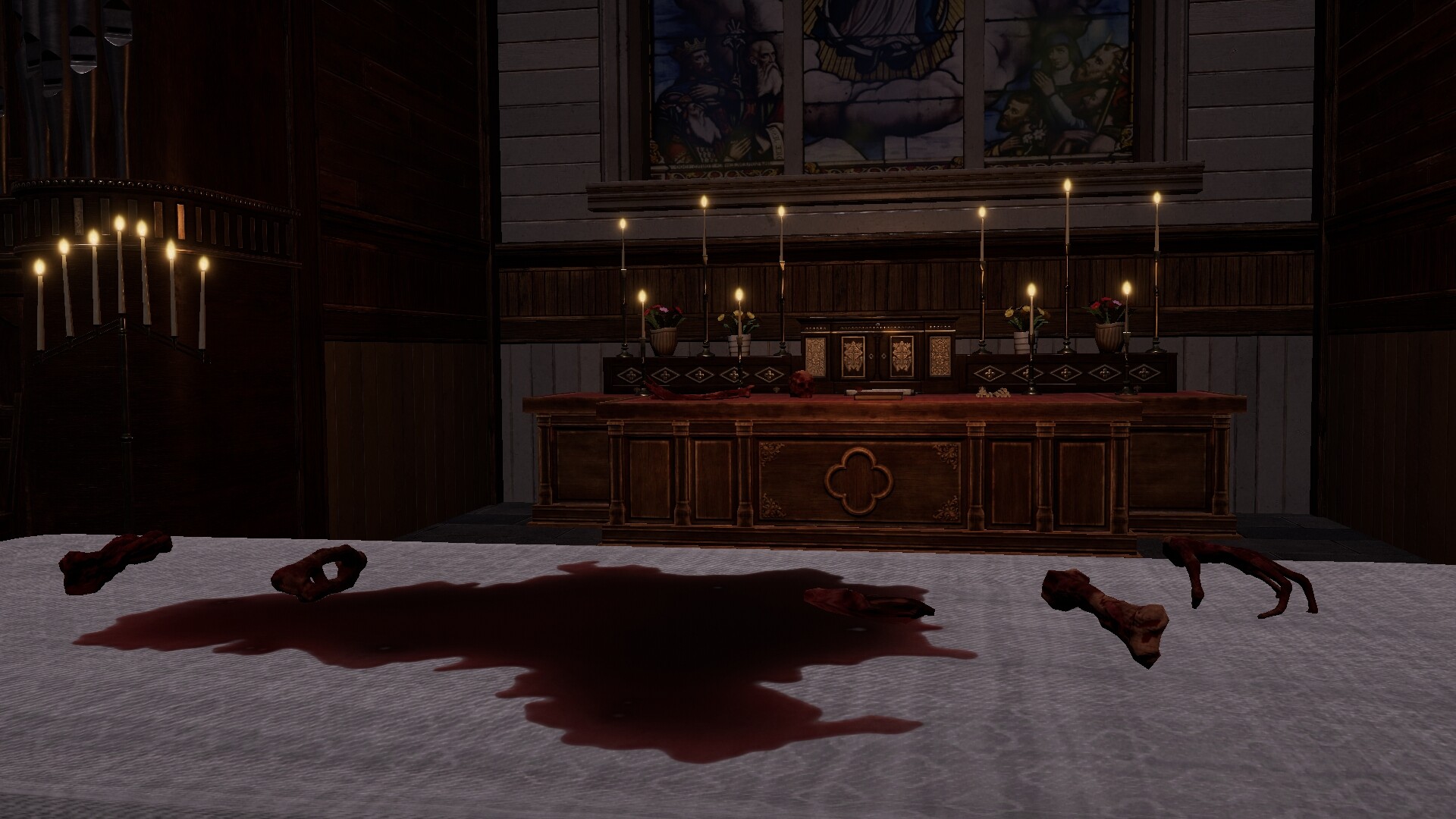
Trace of the Villa follows Jin, a protagonist searching for his missing sister. Official Steam material frames the game as an investigation in a property “cut off from the grid and deliberately forgotten.” Rooms appear arranged as if occupants vanished mid-routine; identities and recent records are missing. The official description makes the investigative loop clear: when Jin restores power, “secured systems come back online. Hidden compartments unlock. Safes yield fragments of encrypted documents and suspicious transfer records.” The tone set by those lines is slow-burn, unnerving, and investigative — a mansion mystery that ties environmental detail to financial and identity-based evidence.
When and where you can play it
Trace of the Villa released on 28 May, 2026 and is available on Steam. The store page lists the developer and publisher as Steadyturtle Co., Ltd., and the PC/Steam context is indicated by the game’s Steam presence and assets.
Why the theme matters: systems, safes and documents as storytelling devices
Locked systems, safes and encrypted documents are not just puzzles in Trace of the Villa — they are narrative scaffolding. The official description explicitly links restored power to revelations: secured systems and hidden compartments return material evidence that reframes the house from a static backdrop into an active archive. That design choice makes environmental reading (what’s left behind, what’s been erased) the primary storytelling engine: financial trails, falsified identities and transfer records become clues that shape your hypothesis about what the mansion actually was.
How you progress: environmental reading & clue chains
Based on the Steam description, progression emphasizes restoration and interpretation rather than timed reflexes — categories on the store include “Playable without Timed Input” and “Subtitle Options,” and the narrative notes how power restoration triggers new leads. Expect investigative loops where an unlocked safe yields a document, that document points to another system or room, and restored systems produce still more fragments to connect. That locked-room mentality rewards players who methodically map evidence, cross-reference manifests and follow chains of small discoveries into broader patterns.

Comparison: where Trace of the Villa sits among escape-room and puzzle-adventure experiences
Below is an editorial comparison focused on genre, atmosphere, puzzle focus and playstyle — intended to help you decide whether Trace of the Villa matches your preferences.
| Title | Genres | Puzzle / Design focus | Atmosphere & story tone | Play style |
|---|---|---|---|---|
| Trace of the Villa | Action, Adventure, Indie | Clue chains driven by restored systems, safes and documents (environmental reading) | Slow-burn mansion mystery, investigative, erasure of identities | Single-player, methodical exploration and narrative puzzle solving |
| The Room | Adventure, Indie | Single, focused puzzle-object (cast-iron safe) with tactile puzzle solving | Mysterious, intimate puzzle-object atmosphere | Single-player, object- and mechanism-focused escapes |
| The Room Two | Adventure, Indie | Continues object-centered puzzle design (stone pedestal, interlocking devices) | Cryptic and immersive puzzle exploration | Single-player, narrative through puzzles |
| Escape Simulator | Adventure, Casual, Indie, Simulation | Highly interactive rooms; physics and object interaction are core mechanics | Community-driven variety: from lighthearted to tense rooms | Solo or online co-op; sandbox room interaction and community-made content |
Player scenarios — how this game will feel in practice
- The patient investigator: You like to catalog evidence, cross-check manifests and build a timeline. Trace of the Villa’s focus on recovered documents and systems fits this approach.
- The atmospheric explorer: You prefer slow pacing, reading rooms like chapters in a case file, and letting ambience suggest motivations and history rather than loud set-pieces.
- The puzzle-first player (object puzzles): If you prefer tightly focused object puzzles (a la The Room) you’ll find overlaps in
Steam page
View Trace of the Villa on Steam
YouTube discovery
For trailer and gameplay discovery, use YouTube search rather than relying on unverified embeds: Find Trace of the Villa trailer and gameplay searches on YouTube.
Leave a Reply