
Trace of the Villa — an escape-room style mansion mystery that reads like a forensic puzzle
Trace of the Villa places you in Jin’s shoes: years of searching for a missing sister lead to a remote, deliberately forgotten mansion where fractured records and sealed systems hold the only hope of answers. Restoring power, unlocking safes and following paper trails are the mechanics that drive both story and puzzle design.

Quick facts
| Title | Trace of the Villa |
|---|---|
| Release date | 28 May, 2026 |
| Developer / Publisher | Steadyturtle Co., Ltd. |
| Genres | Action, Adventure, Indie |
| Key Steam categories | Single-player; Playable without Timed Input; Color Alternatives; Custom Volume Controls; Subtitle Options; Family Sharing |
| Steam page | Trace of the Villa on Steam |
Who is this for?
Players who prefer clue-driven, environmental storytelling over twitch reflexes. If you enjoy slow-burn mansion mysteries where the act of uncovering systems — power, safes, secured records — is as important as the revealed narrative, this is aimed at you. The Steam categories (single-player, playable without timed input, subtitle options) make it a good fit for methodical explorers, accessibility-minded players, and anyone who values reading space and documents at their own pace.
What the game is
Trace of the Villa is an atmospheric mystery adventure focused on investigation inside a decaying, off-the-grid estate. The official premise centers on Jin, who finds manifests and hints in the mansion suggesting his sister may still be alive. Mechanically, the narrative is driven by restoring power to the house, bringing secured systems back online, unlocking hidden compartments and safes, and recovering fragments of encrypted documents and suspicious transfer records. These recovered elements form a chain of clues that reveal a concealed operation rather than a simple domestic history.
When and where
Trace of the Villa released on 28 May, 2026 and is available on Steam. The Steam page lists developer and publisher as Steadyturtle Co., Ltd., and the store presence highlights the game’s single-player focus and accessibility options.
Why the theme matters — locked-room thinking and narrative friction
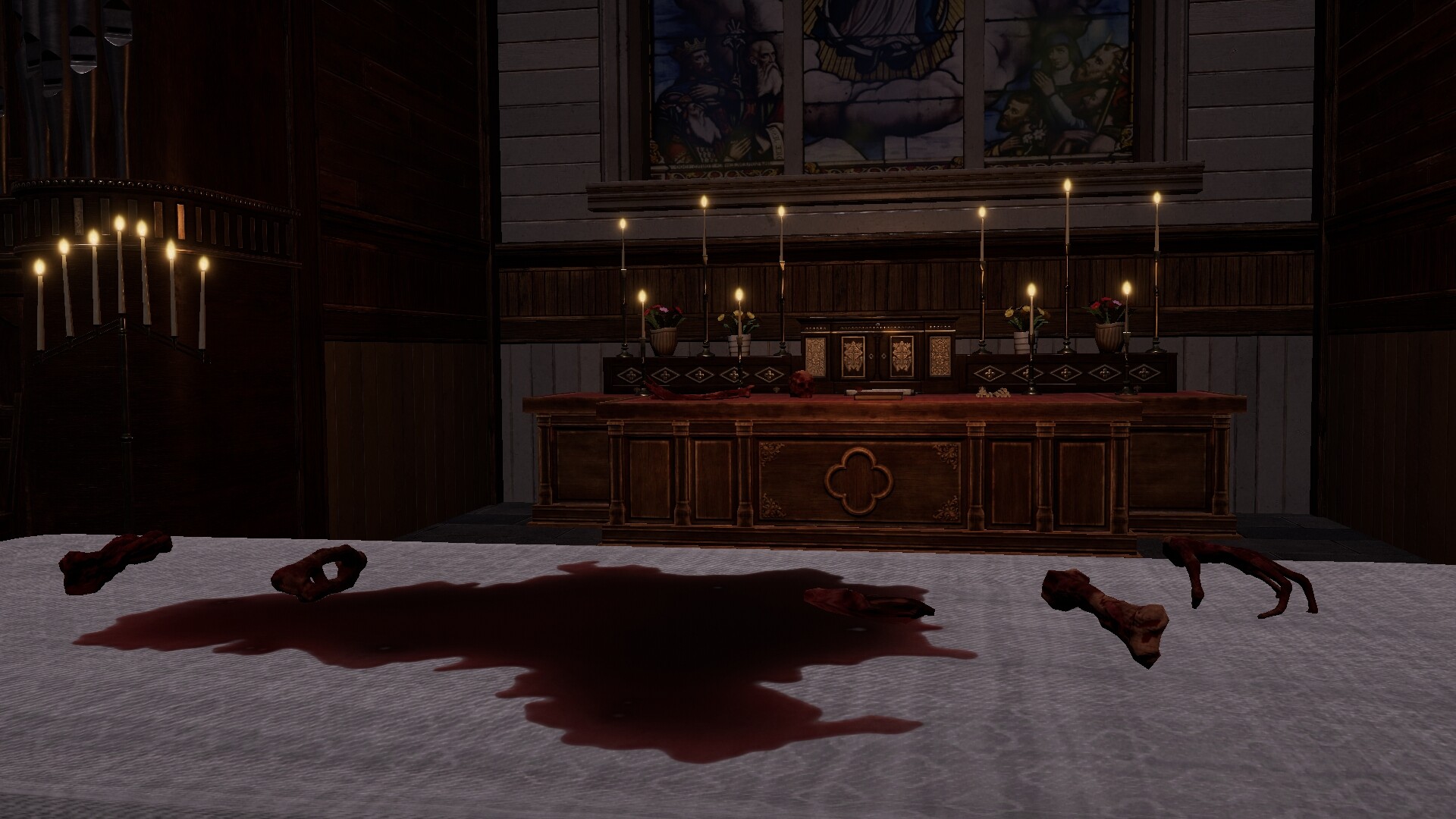
The mansion-as-system conceit turns a familiar haunted-house setup into a procedural investigation: rooms are not just atmospheric sets, they are devices with state. Restoring electricity changes what the environment can reveal. Safes and encrypted documents shift the player’s task from immediate escapism to forensic assembly — you’re piecing together falsified identities, financial trails and arrival/departure patterns that deliberately hide people’s movements. That creates a psychological investigation where reading environment and systems replaces jump scares with mounting implication.
How you read clues and progress
- Power as a gating mechanic: restoring power reactivates secured systems and opens new investigative paths.
- Chainable evidence: manifests, transfer records and encrypted document fragments link into timelines and motives rather than isolated puzzles.
- Locked containers and safes: physical locks and hidden compartments yield the documents and artifacts that advance the narrative.
- Environmental omission: the mansion intentionally lacks photographs and names, so you infer identity and intent from what’s missing as much as from what’s found.

Player scenarios — who should wishlist this
- Document archeologists: you like reading manifests, piecing together redacted records and letting small textual clues reframe a space.
- Slow-burn mystery fans: you prefer a creeping sense of discovery and evidence chains over timed puzzles or combat.
- Escape-room thinkers who want a single-player, narrative-led experience where unlocking systems reveals story beats rather than just mechanical rewards.
- Accessibility-minded players: the Steam page highlights options like subtitles and “playable without timed input.”
How it compares to nearby mystery and puzzle games
| Title | Core experience | Puzzle focus | Atmosphere / pacing | Player fit |
|---|---|---|---|---|
| Trace of the Villa | Investigation-driven mansion mystery; restoration of systems and document forensics. | Reading manifests, unlocking safes, restoring power, following financial/identity traces. | Slow-burn, forensic, atmospheric. | Players who prefer narrative puzzle chains and environmental reading over timed tests. |
| The Room / The Room Two | Solitary, tactile puzzle boxes with layered mechanical puzzles. | Complex mechanical puzzles centered on single-object manipulation (safes, cabinets). | Dense, intimate, puzzle-centric; focused on object mystery rather than broad estate forensics. | Players who love tightly-crafted physical puzzles and intricate box mechanisms. |
| Escape Simulator | Highly interactive escape rooms with physics and community-made levels; co-op options. | Physical interaction, item use, multi-room escape scenarios; workshop content varies widely. | Variable — can be playful or tense; generally more mechanics-first than narrative-first. | Players who enjoy sandbox interaction, co-op play, and user-generated puzzles. |
Trailer and video discovery
If you want trailer or gameplay footage, search YouTube with the following query path (useful for finding official trailers and community captures): Trace of the Villa trailer & gameplay on YouTube.
Steam store link: https://store.steampowered.com/app/3483660/Trace_of_the_Villa/
Referenced properties and trademarks belong to their respective owners. Comparisons above are editorial discovery — not endorsements or claims of official connection.
Leave a Reply