
Trace of the Villa — an escape-room style mansion mystery built on power, systems, safes and documents
Trace of the Villa is a slow-burn, story-rich adventure that asks players to think like a locked-room detective: restore a dead estate’s systems, follow chained clues, and read every environment for hidden records. Released on 28 May, 2026 by Steadyturtle Co., Ltd., it centers on Jin’s search for his missing sister inside a deliberately forgotten mansion where restored power unlocks guarded secrets.

Who, what, when, where, why, and how
Who it’s for
Players who prefer atmospheric mystery adventure on PC: you enjoy environmental storytelling, slow-burn suspense, and puzzles that form clue chains rather than twitch reflex tests. If you like reading systems — power panels, locked safes, and fractured documents — as much as decoding a single safe combination, this is aimed at you.
What the game is
Trace of the Villa is an Action / Adventure / Indie title on Steam developed and published by Steadyturtle Co., Ltd. The premise is investigation-first: Jin follows a lead to a remote, decaying mansion and recovers manifests and hints suggesting his sister may still be alive. The estate appears “deliberately forgotten,” with rooms preserved and identities removed — a setting built for methodical clue-driven play.
When and where
The game was released on 28 May, 2026 on Steam for PC. Its Steam page lists Single-player and accessibility-minded features such as Color Alternatives, Custom Volume Controls, Playable without Timed Input, and Subtitle Options — details useful if you prioritize accessibility in narrative puzzle games.
Why the theme matters
The mansion’s atmosphere turns mechanics into story: when Jin restores power to the estate, “secured systems come back online. Hidden compartments unlock. Safes yield fragments of encrypted documents and suspicious transfer records.” Those mechanics make investigation procedural rather than abstract — each solved system reveals new documentary evidence that reframes the mystery.
How you progress
Progress is primarily about environmental reading and chaining discoveries. You recover manifests and hints, restore estate power, and interact with secured systems and safes to extract fragments of encrypted documents and transaction records. As you assemble those fragments, the narrative timeline and the mansion’s hidden operation come into focus.
Fact sheet
| Title | Trace of the Villa |
|---|---|
| Steam appid | 3483660 |
| Release date | 28 May, 2026 |
| Developer / Publisher | Steadyturtle Co., Ltd. |
| Genres | Action, Adventure, Indie |
| Key Steam categories | Single-player; Color Alternatives; Custom Volume Controls; Playable without Timed Input; Subtitle Options; Family Sharing |
| Premise (official) | Jin searches a decaying mansion; restoring power reveals secured systems, safes and encrypted documents that suggest a larger concealed operation. |
How Trace of the Villa fits in the locked-room / clue-chain niche
The game leans into mechanical reveals: power restoration is not just ambience — it is a progression engine. Systems that appear inert become puzzle nodes; safes and encrypted documents provide forensic breadcrumbs. If you enjoy building a case from small, brittle clues rather than long inventory chains or timed escape sequences, Trace of the Villa positions itself around that investigative rhythm.

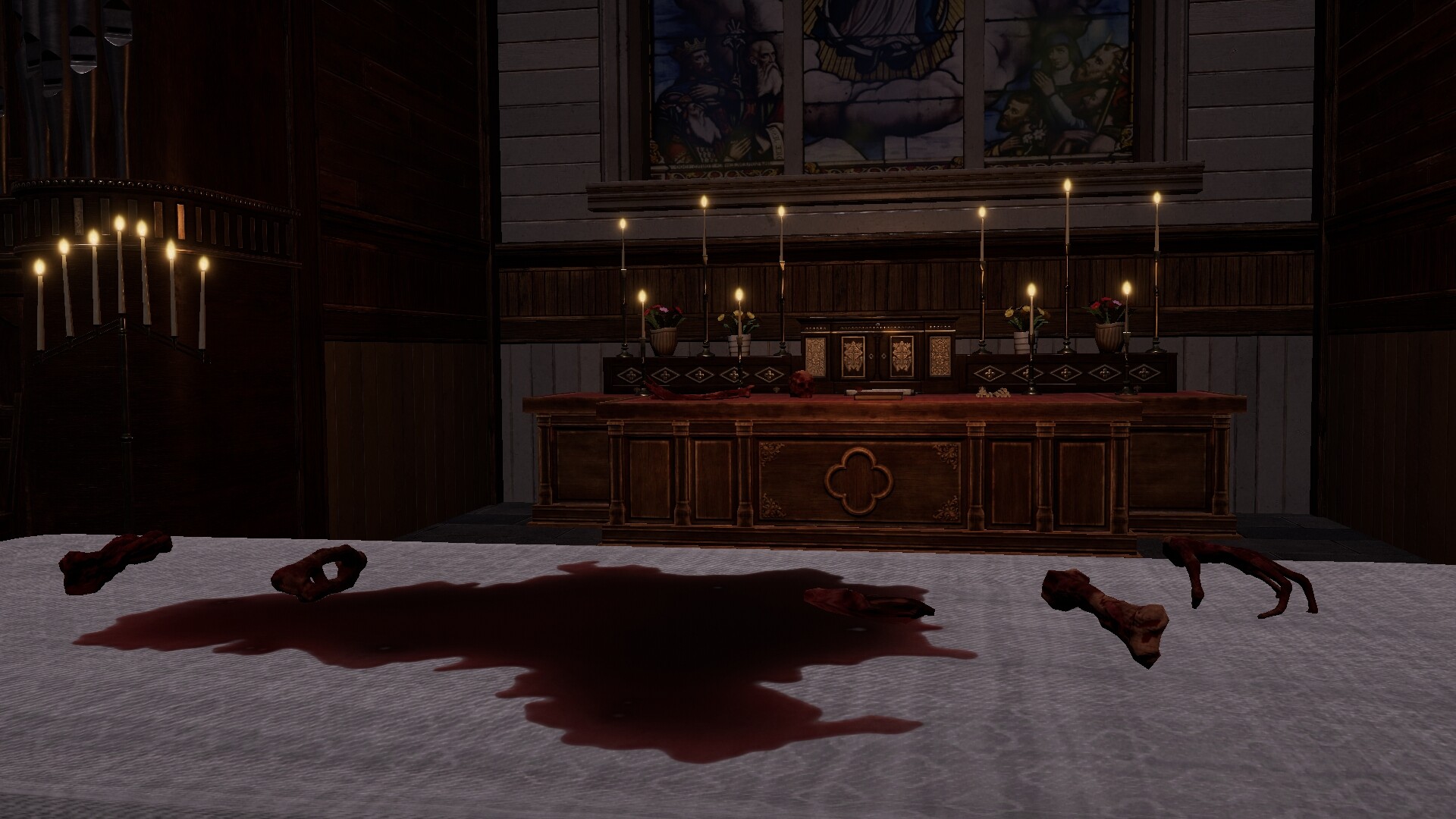
Who should wishlist it — player scenarios
Scenario A — The environmental detective
You like games where every surface may hide relevance: documents, labels, power panels, and safes are all evidence. You’ll appreciate that restoring estate power is the key to watching the house reveal its history through unlocked systems.
Scenario B — The clue-chain puzzler
You prefer puzzles that feed other puzzles: solving one safe or system yields a document fragment that recontextualizes a previous discovery. If methodical chaining and piecing together encrypted fragments excite you, this will fit your tempo.
Scenario C — The story-focused investigator
Narrative matters more than combat. The mystery of Jin’s missing sister and the sense that the mansion was “erased” rather than simply abandoned make the title suited to players who want story-driven, atmospheric investigation rather than action-first pacing.
Quick editorial comparison
Below is a short, factual comparison to nearby titles that players often consider when shopping for escape-room style mystery games on PC.
| Title | Genre / Tone | Puzzle focus | Exploration & pacing |
|---|---|---|---|
| The Room | Adventure, Indie — tactile, single-room mystery | Mechanical safes and layered puzzle boxes; tactile inspection | Tightly focused, single-chamber puzzles and slow, deliberate pacing |
| The Room Two | Adventure, Indie — expanded tactile puzzles | Complex puzzle objects with multi-step manipulation | Sequential rooms with increasing scope; measured exploration |
| Escape Simulator | Adventure, Casual, Indie, Simulation — interactive escape rooms | Highly interactive object manipulation; sandbox room design | Modular rooms, faster variety, supports solo or co-op play |
| Trace of the Villa | Action / Adventure / Indie — mansion mystery, atmospheric | System restoration, safes, encrypted documents and manifests; clue-chain investigation | Exploration tied to restoring systems; narrative-driven, slow-burn discovery |
Steam and discovery notes
The title’s Steam page lists accessibility and single-player options useful for PC players who prefer adjustable pacing and presentation. Recent Steam discovery metrics (internal to the store team) show strong United States traffic interest among other regions, which is consistent with English-language discovery priorities for this
Steam page
View Trace of the Villa on Steam
YouTube discovery
For trailer and gameplay discovery, use YouTube search rather than relying on unverified embeds: Find Trace of the Villa trailer and gameplay searches on YouTube.
Leave a Reply