
Trace of the Villa: why quiet tension matters more than jump scares
Trace of the Villa arrives as a slow-burn, clue-driven mystery that leans on atmosphere and eroding certainty rather than sudden shocks. If you prefer psychological investigation and mood-driven horror where every restored power switch and unlocked safe tightens the knot of unease, this Steam release should be on your radar.

| Title | Trace of the Villa |
|---|---|
| Release date | 28 May, 2026 |
| Developer / Publisher | Steadyturtle Co., Ltd. |
| Genres | Action · Adventure · Indie |
| Categories (Steam) | Single-player; Color Alternatives; Custom Volume Controls; Playable without Timed Input; Subtitle Options; Family Sharing |
| Steam appid | 3483660 |
Who is this for?
Trace of the Villa is aimed at players who favor atmospheric mystery adventure and patient investigation over reflex-based horror. If you enjoy environmental storytelling, methodical puzzle-solving, and a protagonist-driven motive (in this case, Jin searching for his missing sister), you’ll likely prefer this kind of slow-burn tension to loud jump scares.
What the game is
According to the official Steam description, Jin has followed a lead to a remote, decaying mansion and recovered manifests and hints suggesting his sister may still be alive. The mansion is portrayed as deliberately forgotten: furnished rooms that seem frozen in time, locked doors and secured systems, and records that point to falsified identities and encrypted transfers. Gameplay is presented around restoring power, unlocking hidden compartments, and piecing together a timeline through fragments and puzzles — an investigative, story-rich adventure framed as a psychological mystery.
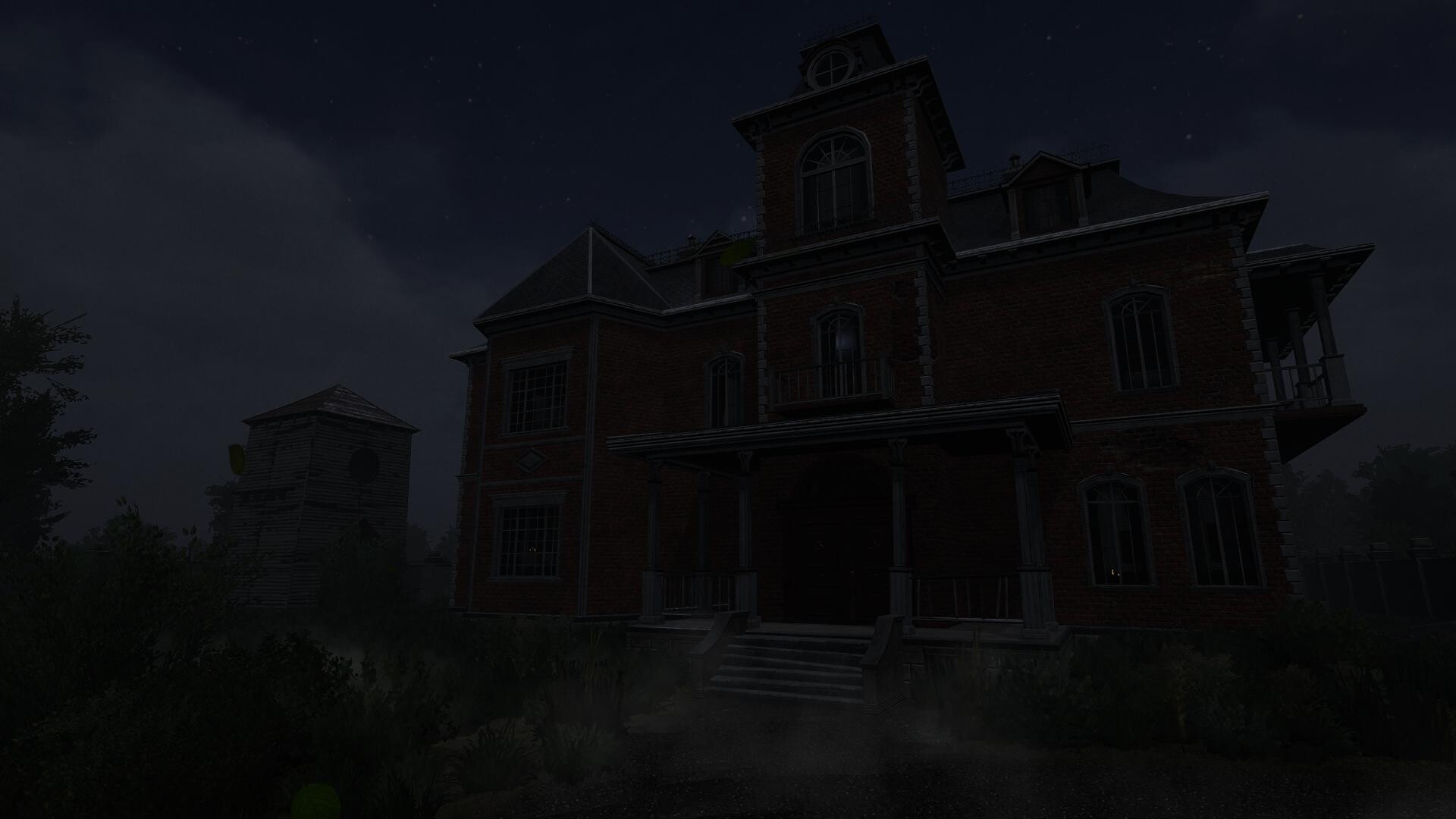

When and where to play
Trace of the Villa released on Steam on 28 May, 2026. It’s a PC Steam indie offering listed under Action, Adventure, and Indie categories; the Steam page indicates single-player and accessibility-related categories such as subtitles and custom volume controls.
Why its quiet tension matters
Psychological horror built around uncertainty uses restraint to amplify threat. When a game’s central engine is investigation — restoring systems, decrypting documents, and following financial or identity trails — the fear comes from what the environment withholds, and from the player’s suspicion that the next unlocked door could rewrite everything you thought was true.
That approach rewards attentiveness. Every unanswered detail becomes meaningful: a missing photograph, an unexplained financial transfer, a room left mid-routine. For many players the slow accumulation of implications is far more disturbing and memorable than repeated jump scares, because it invites imagination to fill the gaps rather than forcing a cheap fright.
How progression looks (what you’ll actually do)
- Restore power and systems to the estate to reveal previously inaccessible areas and logs (official description cites “when Jin restores power … the house begins to reveal what it was hiding”).
- Search furnished rooms and locked compartments for manifests, encrypted documents, and transfer records that point to arrivals and departures without records.
- Solve environmental and narrative puzzles to unlock safes, hidden compartments, and system consoles that advance the timeline.
- Piece together a disturbing pattern from fragments rather than relying on explicit exposition; the official text emphasizes erased identities and masked movements.
Player scenarios — who should wishlist this
- Investigation-first players: You enjoy games where clues accumulate and the narrative emerges from found documents and environment rather than cutscenes.
- Mood-driven explorers: You prefer sustained atmosphere, audio/visual cues, and slowly rising dread to sudden surges of adrenaline.
- Puzzle-oriented narrativists: You like when puzzle solutions unlock narrative beats — safes and encrypted logs reveal next steps rather than just gating combat encounters.
- Accessibility-conscious players: Steam categories include subtitle options, custom volume controls, and “playable without timed input”, which suit slower-paced discovery.
How it compares — a quick editorial table
| Title | Release | Genre / Focus | Atmosphere | Puzzle & Exploration | Pacing |
|---|---|---|---|---|---|
| Trace of the Villa | 2026 | Action · Adventure · Indie (mansion mystery, investigative) | Quiet, erased identities, investigative tension (official Steam description) | Clue-driven: restored systems, safes, encrypted documents (official details) | Slow-burn, methodical |
| Amnesia: The Dark Descent | 2010 | Action · Adventure · Indie | Immersive, survival-leaning psychological dread (topic research) | Exploration and survival mechanics with environmental horror | Intense immersion with recurring high-tension moments |
| SOMA | 2015 | Action · Adventure · Indie (sci-fi horror) | Existential, underwater isolation (topic research) | Story-driven exploration and ethical puzzles | Atmospheric with long-form narrative beats |
| Layers of Fear (2016) | 2016 | Adventure · Indie | Surreal, Victorian psychological unraveling (topic research) | Environmental puzzles within a shifting house | Psychological pacing that emphasizes mounting unease |
| Poppy Playtime | 2021 | Action · Adventure · Indie | Tense toy-factory horror with puzzle tools (topic research) | Puzzle gadgets (GrabPack) and stealth elements | Often faster and more reactive than slow-burn mysteries |
Use this table to decide whether you prefer Trace of the Villa’s investigative, evidence-first approach or something more survival/encounter oriented like Amnesia or Poppy Playtime.
YouTube discovery
Looking for trailers or gameplay clips? Search results for “Trace of the Villa trailer gameplay” are available here (use as a discovery path; not all videos found may be official): YouTube search: Trace of the Villa trailer gameplay.
If you want to follow the Steam listing directly, here’s the store link:
Leave a Reply