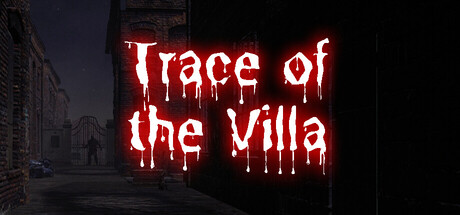
Who should consider Trace of the Villa after enjoying atmospheric mystery adventures
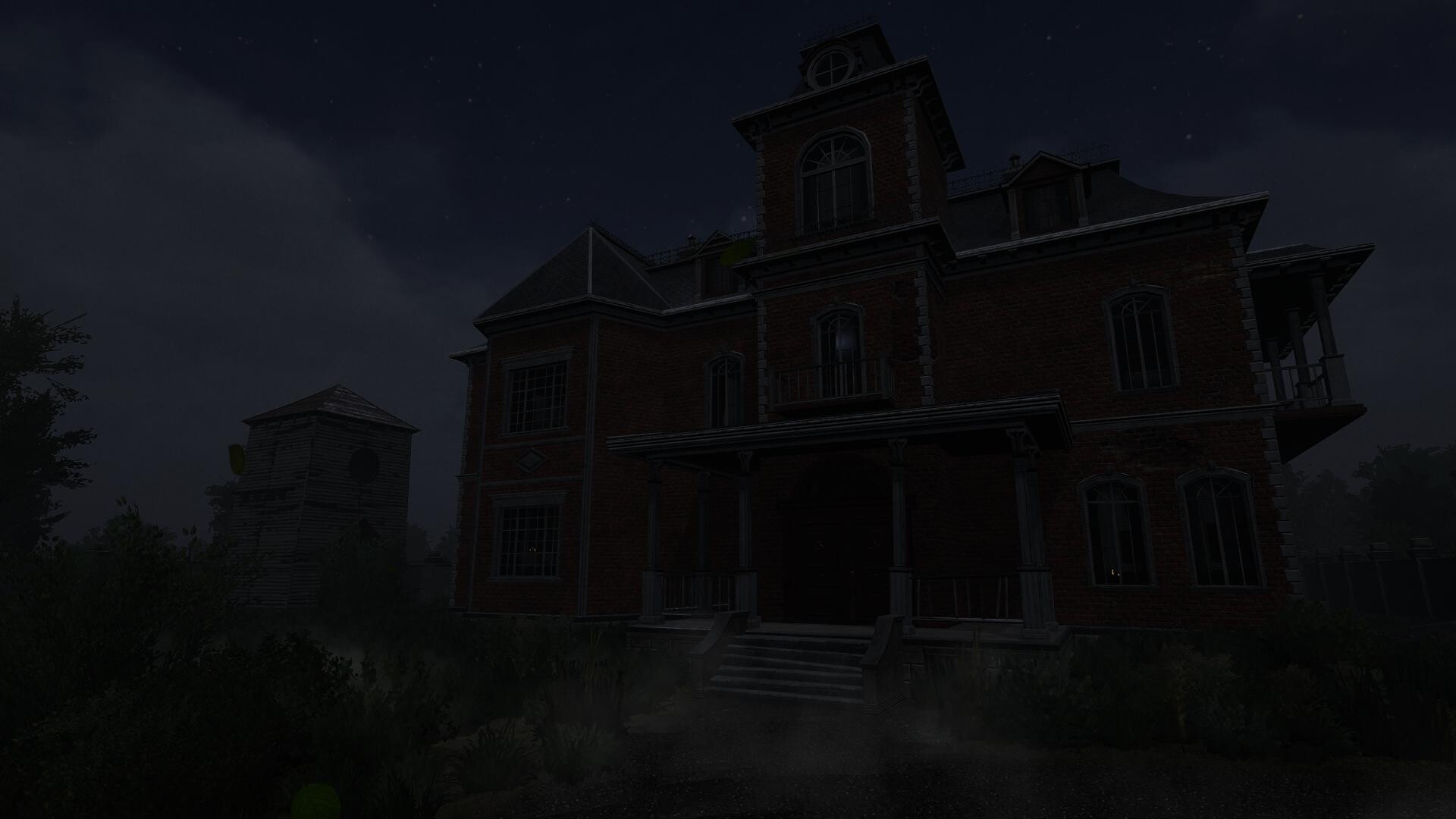
Trace of the Villa places you in a remote, decaying mansion where Jin follows manifests and fragments that hint his missing sister may still be alive. If you prize environmental evidence, forensic curiosity, and slow, clue-driven investigation in a story-rich adventure, this Steam release is aimed squarely at you.

Who, what, when, where, why, and how — the essentials
- Who — Players who enjoy slow-burn, exploration-led mysteries and investigative, atmosphere-first adventures. The protagonist on the Steam page is Jin, searching for his missing sister.
- What — Trace of the Villa is an Action / Adventure / Indie title about investigating a decaying mansion, restoring power, unlocking hidden systems, and following financial and identity traces toward an uncertain trail.
- When — The game released on 28 May, 2026 and is available on Steam.
- Where — The Steam store page hosts the official media and purchase/wishlist options for PC players.
- Why — The core draw is environmental storytelling: rooms frozen mid-routine, erased identities, locked systems that reveal a hidden operation. If you like piecing together people and timelines from traces left behind, that forensic curiosity is central.
- How — Progression is built around exploring the estate, restoring systems, solving puzzles to access safes and encrypted fragments, and following documents and manifests that point the investigation onward.
Compact facts — Trace of the Villa
| Title | Trace of the Villa |
|---|---|
| Release date | 28 May, 2026 |
| Developer / Publisher | Steadyturtle Co., Ltd. |
| Genres | Action, Adventure, Indie |
| Steam categories / features | Single-player; Color Alternatives; Custom Volume Controls; Playable without Timed Input; Subtitle Options; Family Sharing |
| Steam page | Trace of the Villa on Steam |
How Trace of the Villa reads like an abandoned-estate forensic case
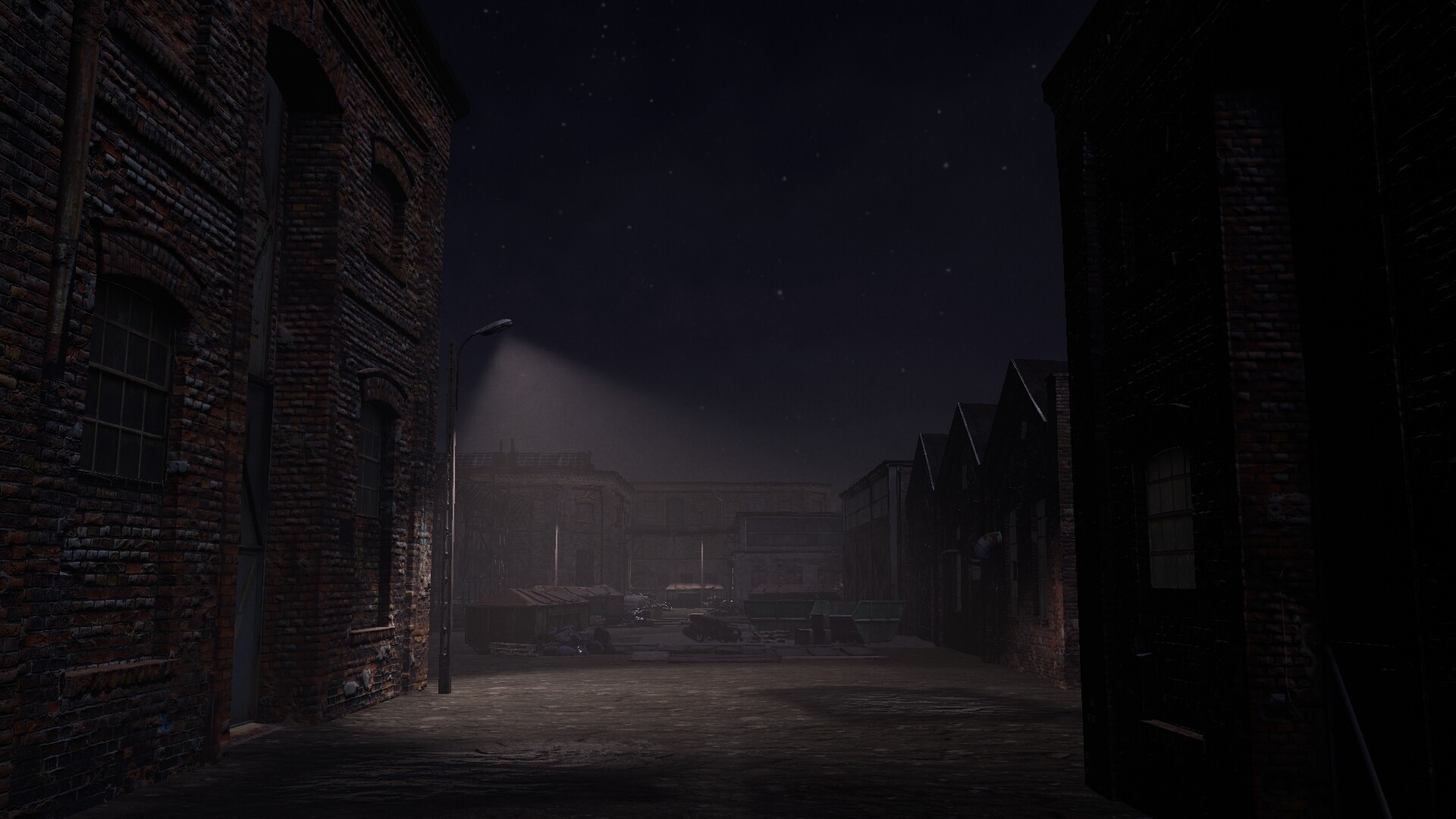
The official Steam description frames the mansion as less ‘abandoned’ than ‘erased’ — furnished rooms with missing histories, locked doors concealing secured secrets, and falsified transfer records. That framing matters because it sets player expectations: investigation will rely on careful observation of the environment and piecing together administrative traces (manifests, encrypted documents, transfer records) rather than quick reaction or action-heavy sequences.
Player scenarios — who should wishlist this
- If you like slow, forensic investigation: You enjoy reading notes, examining manifests and ledgers, and following documentary trails more than nonstop action. Trace of the Villa emphasizes traces and encrypted fragments that gradually reveal a wider operation.
- If you prefer environmental storytelling in mansion settings: The estate is presented as a space where the absence of names, photos, or histories is itself a clue — ideal for players who relish reconstructing lives from rooms and objects.
- If you want a narrative puzzle experience without timed input pressure: The Steam listing notes the game is playable without timed input, suited to methodical explorers who like to stop, read, and think.
- If you expect horror jump-scares or high-octane combat: The emphasis is investigative and atmospheric; the official materials highlight uncovering falsified identities and financial traces rather than action-driven combat setpieces.
How it compares — quick editorial table
| Title | Genre / Tone | Puzzle & exploration focus | Pacing / player fit |
|---|---|---|---|
| Trace of the Villa (2026) | Action / Adventure / Indie — mansion mystery, investigative | Clue-driven exploration, environmental evidence, restoring systems and reading manifests | Slow-burn, cerebral; for players who prefer methodical reconstruction of events |
| Amnesia: The Dark Descent (2010) | Action / Adventure / Indie — immersive survival-horror | Puzzle elements punctuated by survival mechanics and atmospheric tension | High-tension immersion; fits players who accept survival constraints alongside exploration |
| SOMA (2015) | Action / Adventure / Indie — sci-fi horror, existential tone | Exploration and narrative puzzles with strong emphasis on story and atmosphere | Slow-moving narrative with moments of dread; suited to players who want philosophical stakes alongside scares |
| Layers of Fear (2016) | Adventure / Indie — psychological mansion horror | Psychological, shifting environments and narrative puzzles focused on a single protagonist | Variable pacing with a focus on unsettling mood; for players who want psychological tension over forensic detail |
| The Room (2014) | Adventure / Indie — focused puzzle-box experience | Self-contained mechanical puzzles, tightly designed puzzle progression | Compact, puzzle-first pacing; ideal for players who want discrete, tactile puzzle challenges |
| Rusty Lake Hotel (2016) | Adventure / Indie — dark, eerie point-and-click puzzles | Short, vignette-style puzzles with a recurring surreal tone | Bite-sized, puzzle-driven chapters; for players who like point-and-click logic and oddball narrative threads |
Use the table above to decide whether you want more atmospheric forensics (Trace of the Villa), survival tension (Amnesia / SOMA), psychological instability (Layers of Fear), or tight mechanical puzzles (The Room / Rusty Lake Hotel).
Where to look for trailers and gameplay
If you want to see trailers or gameplay videos, a safe way to search is this YouTube discovery link: Trace of the Villa trailer & gameplay search. This search URL is provided for discovery; the Steam page contains official assets and screenshots.
Final note and quick call-to-action
If methodical investigation in an erased mansion, environmental clues, and a slow, story-led pace appeal to you, add Trace of the Villa to your Steam wishlist or visit the store page:
Trace of the Villa on Steam — view/store page
Referenced titles and trademarks belong to their respective owners. Comparisons are editorial discovery only, not endorsements.
Leave a Reply