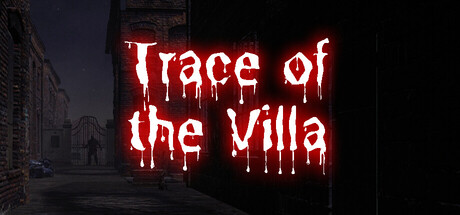
Who should consider Trace of the Villa after enjoying atmospheric mystery adventures?
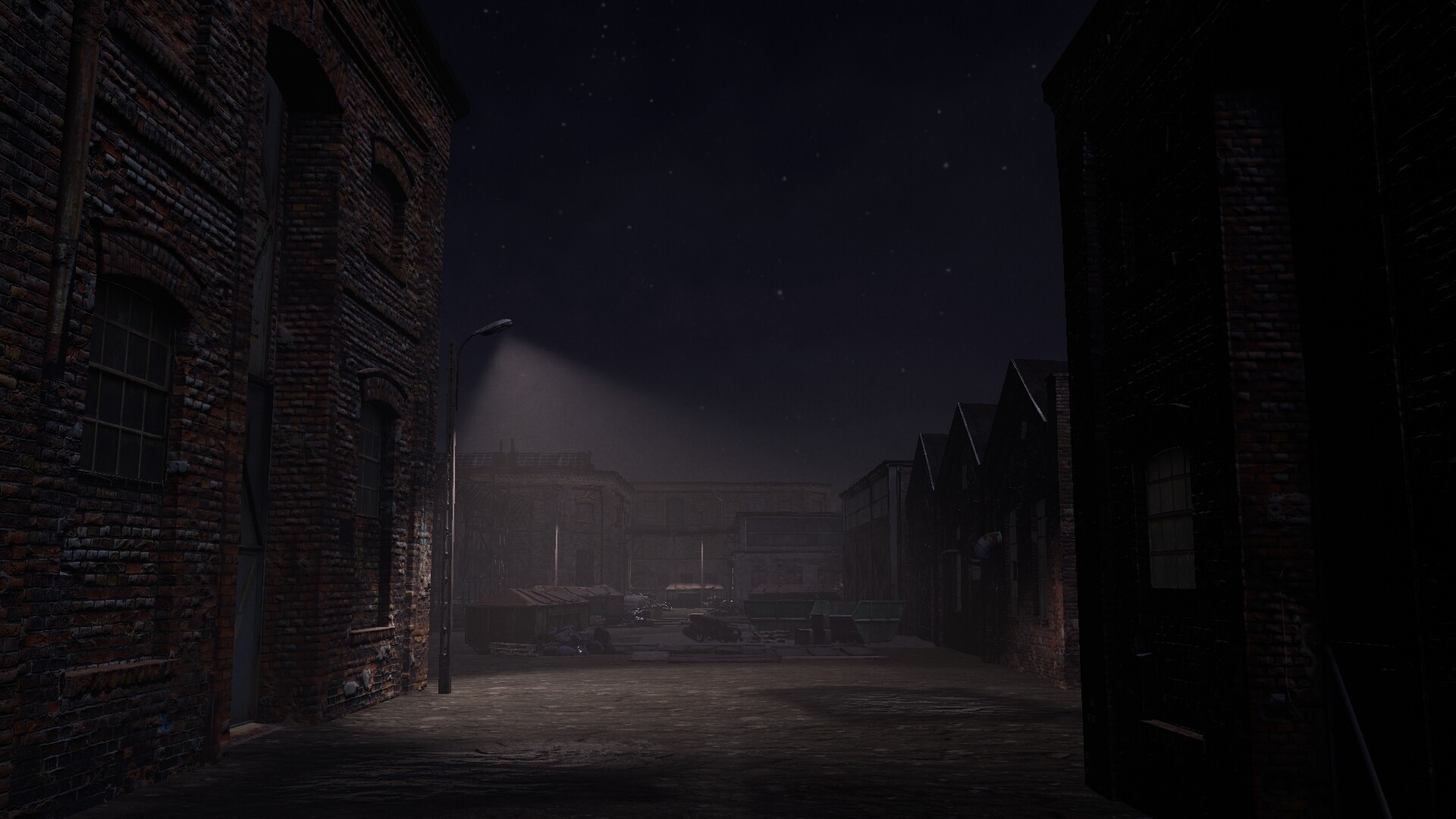
Trace of the Villa places you in a decaying mansion where methodical, clue-driven investigation and environmental storytelling take center stage. If you prefer slow-burn mystery, forensic curiosity, and puzzle-led exploration inside an abandoned estate, this Steam release is aimed squarely at that mood.

| Title | Trace of the Villa |
|---|---|
| Release date | 28 May, 2026 |
| Developer / Publisher | Steadyturtle Co., Ltd. |
| Genres | Action, Adventure, Indie |
| Steam categories | Single-player; Color Alternatives; Custom Volume Controls; Playable without Timed Input; Subtitle Options; Family Sharing |
| Steam Store | Trace of the Villa on Steam |
Who, what, when, where, why, and how
Who is this for?
Players who enjoy slow-burn, story-rich adventures where the main reward is assembling a timeline from material traces: explorers who value environmental evidence, forensic curiosity, and piecing together human stories from abandoned estates rather than fast action or jump scares.
What is the game?
Trace of the Villa casts you as Jin, a searcher following leads to a remote, decaying mansion. The official short description explains Jin found manifests and hints at his missing sister possibly still being alive; the estate is deliberately forgotten and full of signs of past occupancy that prompt careful inspection.
When and where is it available?
The Steam release date is 28 May, 2026. It’s presented on Steam as a PC title with single-player and accessibility categories such as subtitle options and custom volume controls.
Why does this theme matter?
The estate setting drives the game’s investigative logic: rooms look as if people vanished mid-activity, there are locked doors and hidden compartments, and restoring power makes previously inert systems reveal fragments of encrypted documents and suspicious transfer records. That focus on material traces—financial trails, falsified identities, movement without records—plays to players who like their narrative to grow out of evidence rather than exposition.
How do you progress?
Progression centers on reading environmental clues and reactivating systems. According to the official description, when Jin restores power the mansion’s secured systems come back online, safes yield fragments, and locked areas open up; each solved puzzle reveals a new layer of the concealed operation. That suggests a gameplay loop built around exploration, puzzle solving, and assembling fragments into a coherent timeline.
How Trace of the Villa compares to similar mystery and atmospheric titles
Below is a concise editorial comparison focusing on genre, atmosphere, puzzle focus, exploration style, and pacing to help you decide whether Trace of the Villa matches what you enjoyed in other mystery adventures.
| Title | Genre / Focus | Atmosphere / Tone | Puzzle emphasis | Exploration / Pacing | Player fit |
|---|---|---|---|---|---|
| Trace of the Villa | Action · Adventure · Indie (Steam single-player) | Decaying mansion, forensic and investigative | Evidence-driven puzzles; reactivating systems, safes, hidden compartments | Slow, methodical exploration inside an abandoned estate | Players who like environmental storytelling and assembling timelines |
| Amnesia: The Dark Descent | Action · Adventure · Indie | Immersive, survival horror that chills | Puzzles embedded within survival and tension | First-person, claustrophobic, tension-led pacing | Players seeking immersion and high psychological tension |
| SOMA | Action · Adventure · Indie | Sci-fi horror, existential and oppressive | Puzzle-solving within narrative and survival scenarios | Exploration of hostile, story-forward environments | Players who prefer story-driven, philosophical horror |
| Layers of Fear (2016) | Adventure · Indie | Psychological, Victorian mansion with shifting reality | Puzzles tied to narrative and atmosphere | Room-by-room unfolding with shifting architecture and pacing | Players who favor psychological storytelling and changing environments |
| The Room | Adventure · Indie | Focused, intimate mystery around a single device or space | Highly tactile, lock-and-mechanism puzzle design | Compact, chapter-like puzzles with deliberate pacing | Players who love mechanical puzzles and focused problem-solving |
| Rusty Lake Hotel | Adventure · Indie | Dark, eerie puzzle-adventure with surreal touches | Point-and-click puzzles with a macabre bent | Short, vignette-style rooms and challenges | Players who prefer bite-sized, surreal mystery episodes |
Player scenarios — who should wishlist this
If you loved methodical mansion mysteries
Wishlist Trace of the Villa if you felt rewarded by reconstructing a household’s life from objects and documents. The game’s emphasis on restoring power and uncovering hidden compartments leans into forensic curiosity rather than instant spectacle.
If you prefer mechanical, lockbox-style puzzling
If your favorite moments in The Room were manipulating devices and deciphering mechanisms, expect less of that singular mechanical focus here and more layered, contextual puzzles that reveal narrative fragments as they unlock access to other areas.
If you come for high-stakes survival horror
This title appears to emphasize investigation and environmental evidence over survival mechanics or constant threat. Players seeking nonstop tension and survival resource management might find Trace of the Villa favors contemplative unraveling instead.
If you like story tone evolving from place and objects
Trace of the Villa’s storytelling is driven by physical traces—manifests, transfer records, falsified identities—so players who enjoy assembling motive and timeline from found evidence should find a satisfying fit.
YouTube discovery
To find trailers or gameplay clips, use this YouTube search link (search results only): Trace of the Villa trailer & gameplay.
Steam store: https://store.steampowered.com/app/3483660/Trace_of_the_Villa/
Disclaimer: referenced titles and trademarks belong to their respective owners. Comparisons in this piece are editorial discovery only, focusing on genre, atmosphere, puzzle style, exploration, pacing, and player fit.
Leave a Reply