
Who should consider Trace of the Villa after enjoying atmospheric mystery adventures
Trace of the Villa is a slow-burn, clue-driven exploration set in a deliberately forgotten mansion, where Jin’s search for a missing sister uncovers manifests, encrypted documents and financial trails that point to a larger, concealed operation. If you prize environmental storytelling, forensic curiosity, and investigation paced around reading traces of past occupancy rather than non-stop action, this Steam release demands a closer look.

Quick facts
| Title | Trace of the Villa |
|---|---|
| Steam appid | 3483660 |
| Developer / Publisher | Steadyturtle Co., Ltd. |
| Release date | 28 May, 2026 |
| Genres | Action, Adventure, Indie |
| Steam categories / features | Single-player; Color Alternatives; Custom Volume Controls; Playable without Timed Input; Subtitle Options; Family Sharing |
| Official short description | Jin has spent years searching for his missing sister, pursuing leads that took him to a remote, decaying mansion where he recovered manifests and hints that indicate his sister may still be alive, somewhere at the end of the trail he is about to follow. |
What the game is — atmosphere and investigative focus
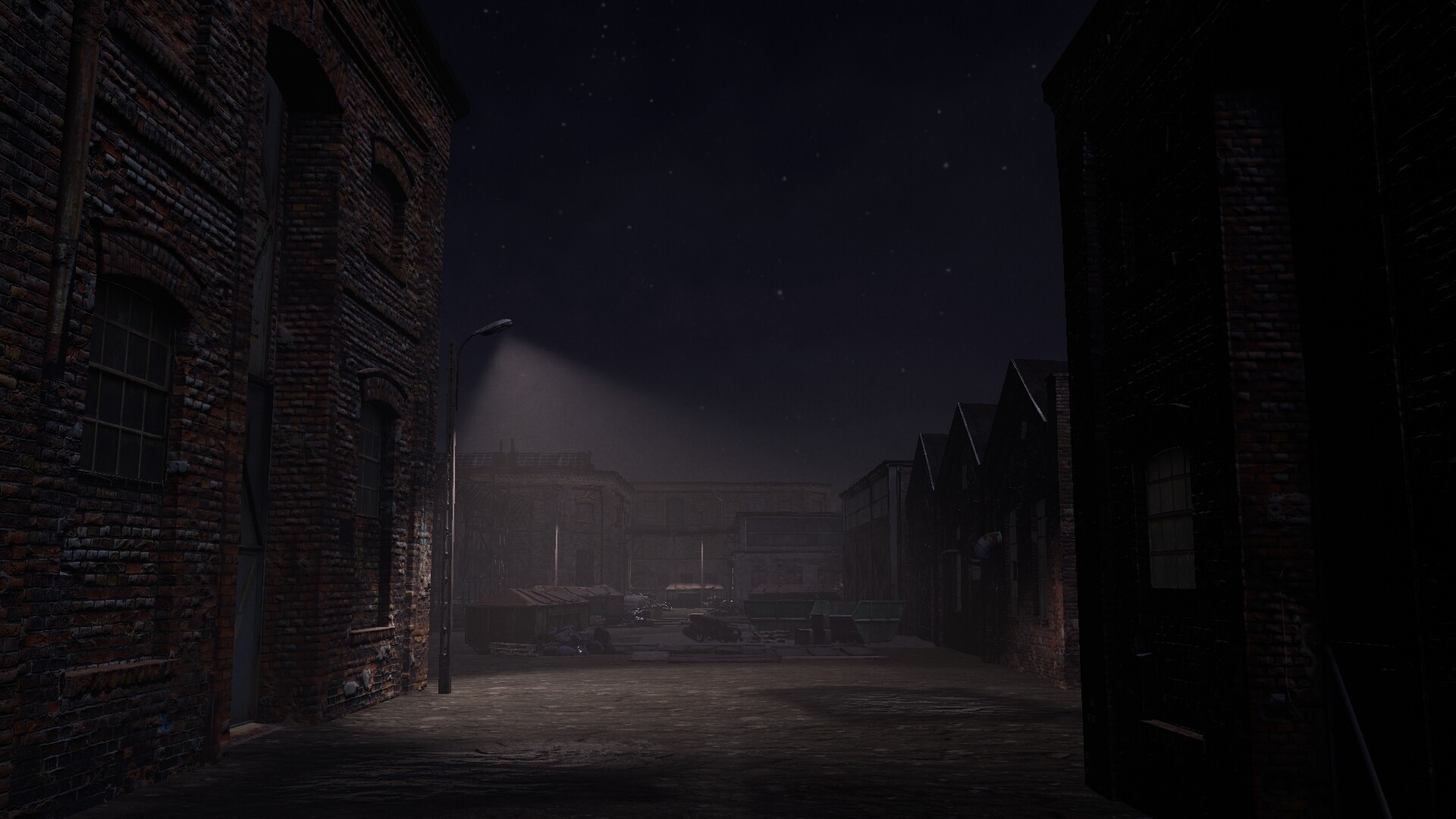
The Steam store text positions Trace of the Villa as an investigation-driven adventure inside a decaying, off-grid estate. Rooms feel “less abandoned than erased”: furnishings left mid-routine, locked doors, and few conventional identifiers. Restoring power reactivates secured systems, opens hidden compartments and yields fragments — manifests, encrypted documents and suspicious transfer records — that form the trail Jin follows. Those details suggest the experience emphasizes environmental evidence and gradual reconstruction of events rather than shouty scares or twitch-heavy sequences.
When and where — Steam / PC context
Trace of the Villa launched on Steam on 28 May, 2026. It appears on Steam as a PC indie in the Action / Adventure / Indie space and lists Steam features such as “Playable without Timed Input,” subtitle options, color alternatives and custom volume controls — touches that support a paced, accessibility-aware playstyle.
Why the abandoned-estate theme matters
Abandoned estates are an effective frame for forensic curiosity because the environment itself is the primary witness. In Trace of the Villa, the decaying mansion is structured to store clues in objects, locked systems and financial traces. The theme supports a slow-investigation rhythm: restore systems, read manifests, follow paper trails. For players who like assembling a timeline from quiet evidence — footprints in records rather than chase sequences — that setup rewards careful observation and patience.
How you progress — reading traces and piecing timelines
The official description lists concrete investigative touchpoints: restoring power, unlocking hidden compartments, safes yielding fragments of encrypted documents, and suspicious transfer records. From an editorial perspective, that implies a progression loop built on discovery and interpretation: find a trace, restore or access the system that preserves it, interpret the fragment, then use that interpretation to open the next area or puzzle. The “Playable without Timed Input” category signals you can explore and examine at leisure — a plus for players who prefer contemplative evidence-gathering.
Who should wishlist or buy Trace of the Villa
- Forensic-curiosity players: You enjoy reconstructing events from manifests, logs and environmental oddities rather than relying on explicit exposition.
- Slow-investigation fans: You prefer methodical, clue-by-clue progress; Steam’s “Playable without Timed Input” support suggests a contemplative pace is accommodated.
- Mansion-atmosphere readers: If the idea of a decaying estate that feels “erased” — rooms frozen mid-routine, hidden systems that reactivate — appeals, this title is aimed squarely at that mood.
- Accessibility-conscious PC players: Built-in subtitle options, color alternatives and custom volume controls ease tuning the experience to personal needs.
Who might pause
- If you need fast, action-first gameplay or constant combat feedback, check trailers and screenshots carefully: the store text foregrounds investigation and environmental storytelling as the core loop.
- If you expect frequent multiplayer hooks or community mod tools, note the Steam categories list this as single-player only.
Specific player scenarios (concrete examples)
- The methodical puzzler: You loved spending hours correlating notes and logs in The Room or Rusty Lake’s point-and-click puzzles. Trace of the Villa’s manifests and hidden compartments will reward that appetite for micro-evidence.
- The atmospheric investigator: If Layers of Fear’s Victorian mansion and gradual psychological reveal appealed because of its environment-first storytelling, Trace of the Villa offers a similarly moody estate — but with a forensic tilt: encrypted documents and suspicious transfer records shape the mystery.
- The narrative-horror crossover player: Fans of SOMA or Amnesia who appreciate a tension that grows from uncovering systemic suppression or obfuscation will find Trace’s emphasis on falsified identities and arrival/departure patterns relevant — though the experience is presented as investigative rather than purely survival-horror.
How it stacks up: short editorial comparison
| Game | Atmosphere / Setting | Puzzle / Investigation Focus | Pacing / Tone | Player fit |
|---|---|---|---|---|
| Trace of the Villa | Decaying, off-grid mansion; erased identities | Environmental evidence, manifests, encrypted documents, locked systems | Slow, methodical, clue-driven | Players who like forensic curiosity and timeline reconstruction |
| Amnesia: The Dark Descent | Claustrophobic, horror-focused environments | Immersion and discovery with survival-horror emphasis | High-tension, often urgent | Players seeking nightmare immersion and fear-driven exploration |
| SOMA | Sci-fi, underwater complex | Existential narrative and environmental clues | Slow-building dread with philosophical tone | Players who like atmospheric, story-heavy sci-fi investigation |
| Layers of Fear (2016) | Shifting Victorian mansion | Psychological storytelling via changing spaces and puzzles | Unnerving, psychological, often surreal | Players who prioritize mood and narrative over straightforward puzzles |
| The Room | Isolated puzzle boxes and intimate spaces |
Leave a Reply