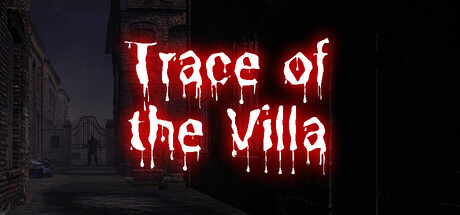
Trace of the Villa — who should wishlist this slow-burn mansion mystery
Trace of the Villa drops you into a personal search: Jin has tracked a lead to a remote, decaying mansion and found manifests and hints that his missing sister may still be alive. If you prize atmospheric mystery adventure, patient investigation, and environmental storytelling over run-and-gun action, this one is worth a look.

Quick facts
| Title | Trace of the Villa |
|---|---|
| Release date | 28 May, 2026 |
| Developer | Steadyturtle Co., Ltd. |
| Publisher | Steadyturtle Co., Ltd. |
| Steam App ID | 3483660 |
| Genres | Action, Adventure, Indie |
| Key Steam features | Single-player; Color Alternatives; Custom Volume Controls; Playable without Timed Input; Subtitle Options; Family Sharing |
Who should consider Trace of the Villa?
This is aimed at players who enjoy story-rich adventure that rewards patience and attention. Specifically:
- Players who prefer clue-driven exploration and environmental evidence over combat-focused encounters.
- Fans of slow-burn suspense in a single-player setting who like to piece together a narrative from found documents, locked compartments, and powered-up systems.
- People who appreciate atmospheric mystery adventures set in abandoned or deliberately forgotten estates — a mansion that feels “erased” rather than merely empty.
- Those who enjoy investigative framing: a protagonist searching for a missing person (Jin looking for his sister) and following a trail of manifests and suspicious records.
What the game is — tone and design cues
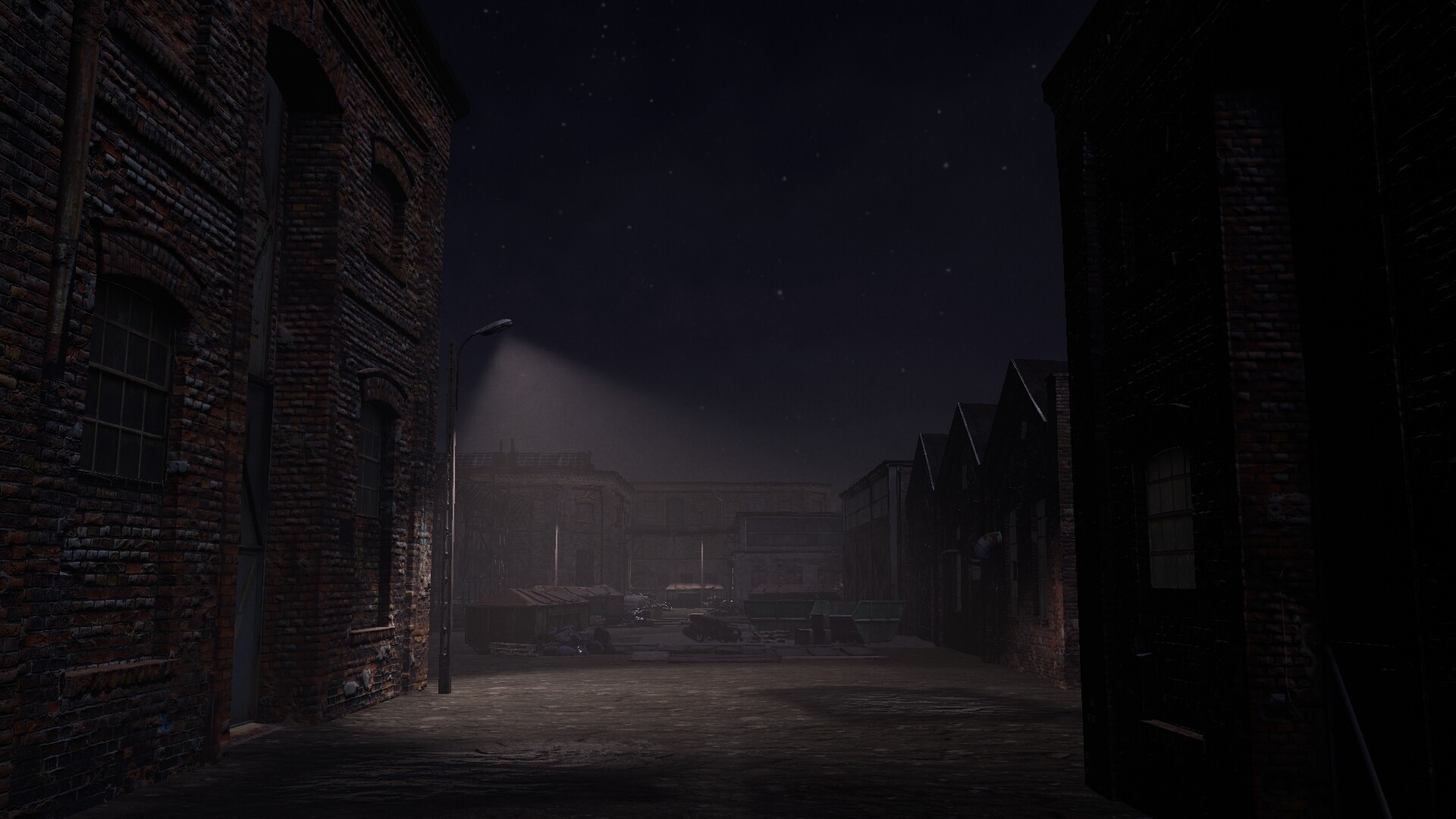
Trace of the Villa positions itself as a narrative investigation: Jin’s years-long search for his missing sister leads to a remote mansion where signs of past occupancy are unmistakable but anonymized — no names, no photos, no obvious ownership. The game mixes environmental storytelling with puzzle-led progress: restoring power, unlocking hidden compartments, and recovering encrypted fragments and transfer records that gradually reveal a larger operation.
When and where
Trace of the Villa released on 28 May, 2026. It appears on Steam as a PC indie title from Steadyturtle Co., Ltd.; the Steam page lists Action / Adventure / Indie among its genres and several accessibility and play options (single-player, custom volume, subtitles, etc.).
Why the abandoned-estate forensic angle matters
Abandoned estates work well for environmental-forensics storytelling because they supply tangible, out-of-time evidence: manifests, secured systems, safes, and arranged rooms that imply prior routines. Trace of the Villa leverages that logic — the mansion’s condition suggests deliberate erasure of identity and records, which turns ordinary exploration into a forensic exercise. If you enjoy reading a space like a case file — noticing what’s present, what’s been removed, and what systems can be reactivated — this game’s premise will be satisfying.
How you progress: investigation, evidence, and pacing
According to the official description, progression is less about timed reflexes and more about reconstruction and deduction. Key mechanics described on the Steam page include:
- Restoring power to the estate to bring secured systems back online.
- Opening hidden compartments and safes to retrieve fragmented documents and manifests.
- Deciphering financial trails, falsified identities, and transfer records that hint at movement through the property without public records.
The Steam listing also flags “Playable without Timed Input” and subtitle options — useful notes for players who prefer deliberate, unread-rush puzzle solving.
Player scenarios — which evenings this fits
- You want a measured, contemplative mystery session that rewards note-taking and backtracking rather than twitch reflexes.
- You like exploring a mansion top to bottom and assembling a timeline from small, forensic details (logs, manifests, encrypted fragments).
- You enjoy narrative motive rooted in a personal search — here, Jin’s hunt for his sister gives investigations an emotional anchor.
- You prefer a single-player indie with accessibility options and a focus on atmosphere and investigation over multiplayer or heavy action loops.
How it compares to nearby titles
Below is a compact editorial comparison focusing on genre tone, puzzle emphasis, exploration style, pacing, and player fit. This is an editorial discovery, not a claim of superiority or official connection.
| Game | Genre / Primary tone | Core puzzle style | Exploration & pacing | Who might prefer it |
|---|---|---|---|---|
| Trace of the Villa | Action / Adventure / Indie — atmospheric mystery | Document- and environment-driven puzzles; power restoration and locked compartments | Deliberate, slow-burn investigation in a decaying mansion | Players who want forensic environmental storytelling and patient clue reading |
| Amnesia: The Dark Descent | Action / Adventure / Indie — survival horror | Environmental puzzles with survival/hiding mechanics | Immersive, tense, often faster-paced due to horror threats | Players seeking chilling immersion and survival-horror tension |
| SOMA | Action / Adventure / Indie — sci-fi horror | Puzzle and narrative devices integrated into sci-fi systems | Explorative, story-focused pacing with philosophical themes | Players who like atmospheric sci-fi that questions identity |
| Layers of Fear (2016) | Adventure / Indie — psychological horror | Story-driven environmental puzzles and scripted revelations | Mansion-centered exploration with shifting environments and psychological pacing | Players who want Victorian/period atmosphere and psychological storytelling |
| The Room | Adventure / Indie — tactile puzzle mystery | Mechanical, box-and-safe puzzles focused on tactile manipulation | Shorter, focused puzzle chapters rather than open-area exploration | Players who enjoy intricate, self-contained puzzle boxes and tactile solutions |
| Rusty Lake Hotel | Adventure / Indie — dark, eerie puzzle game | Point-and-click puzzles with a surreal narrative thread | Compact, vignette-style rooms and puzzles with a creeping tone | Players who like stylized, episodic puzzles with dark humor and mood |
Leave a Reply