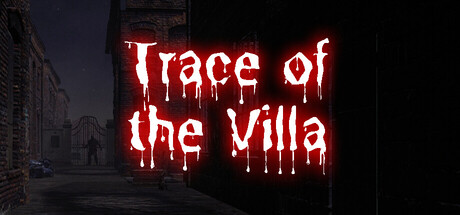
Trace of the Villa — when puzzles become evidence
Trace of the Villa is an atmospheric mystery adventure that frames its puzzles as pieces of a personal investigation: Jin follows manifests and hints in a decaying mansion to discover whether his missing sister might still be alive. Released on 28 May, 2026 by Steadyturtle Co., Ltd., the game mixes environmental storytelling with puzzle-driven discovery on Steam.

Who this is for
If you prefer clue-driven exploration and slow-burn suspense over twitch reflexes, Trace of the Villa is pitched at you. Players who enjoy atmospheric mystery adventure and narrative puzzle design—those who pay attention to small object details, follow document trails, and enjoy piecing together implications rather than being told a plot outright—will likely find this a better fit than someone looking for nonstop action.
What the game is
Trace of the Villa puts you in Jin’s shoes. According to the official Steam page, Jin has spent years searching for his missing sister and follows a lead to a remote, decaying mansion where manifests and hints suggest she may still be alive. The title is listed under Action, Adventure, Indie and carries single-player and accessibility-oriented categories such as Color Alternatives, Custom Volume Controls, Playable without Timed Input, and Subtitle Options.
When and where
Trace of the Villa launched on Steam on 28 May, 2026. It is developed and published by Steadyturtle Co., Ltd., and the Steam store page is the primary place to find more details and wishlist the game.
Why the theme matters
The game’s central idea—searching a deliberately forgotten property—turns the mansion itself into a forensic space. Rather than explicit exposition, Trace of the Villa surfaces a narrative through recovered systems, encrypted fragments and financial traces. That approach makes each solved puzzle less like a gate and more like evidence: you aren’t merely unlocking the next room, you’re assembling a timeline and an argument about what the house was used for. In a market of indie mystery titles, that emphasis on reading consequences from objects and paperwork gives the story a documentary, investigative tone rather than pure horror theatrics.
How you read clues and progress (without spoilers)
The official description explains a few of the concrete ways the game hides story beats inside gameplay: restoring power to the estate brings secured systems back online; hidden compartments and safes yield fragments of encrypted documents and suspicious transfer records; manifests and other hints appear as you explore. Those mechanics mean progression is frequently literal—restore a system, open a safe, decrypt a document—and narrative: each recovered item reframes what you know about the mansion’s past occupants. Puzzles therefore serve two functions simultaneously: they gate access and they translate into story evidence, so players who catalogue notes, photos, and recovered files will experience a steadily clarifying investigation without the developer spelling out every conclusion.


Quick facts
| Title | Trace of the Villa |
|---|---|
| Release date | 28 May, 2026 |
| Developer / Publisher | Steadyturtle Co., Ltd. |
| Genres | Action, Adventure, Indie |
| Key Steam categories | Single-player; Color Alternatives; Custom Volume Controls; Playable without Timed Input; Subtitle Options; Family Sharing |
| Steam page | Trace of the Villa on Steam |
How it compares (editorial snapshot)
Below is an editorial comparison to help you decide whether Trace of the Villa matches your tastes. These comparisons are based on genre, atmosphere, puzzle focus, exploration style, and pacing—not claims of superiority.
| Title | Genre | Puzzle focus | Atmosphere / Story Tone | Exploration style | Best for players who… |
|---|---|---|---|---|---|
| Trace of the Villa | Action / Adventure / Indie | Document fragments, secured systems, hidden compartments, safes | Forensic, slow-burn mansion mystery | Methodical room-by-room investigation | Prefer narrative puzzles that produce evidence and implications |
| The Room | Adventure / Indie | Tactile mechanical puzzles centered on ornate safes and devices | Mysterious, puzzle-centric, tactile curiosity | Contained, apparatus-focused rooms | Like focused, handcrafted puzzle boxes and mechanical design |
| Escape Simulator | Adventure / Casual / Indie / Simulation | Highly interactive escape-room style puzzles and object interactions | Playful to tense, depending on room | Highly interactive, physics-driven rooms (solo or co-op) | Want lots of object interaction and community-made rooms |
| Unpacking | Casual / Indie / Simulation | Domestic, placement and contextual clues that tell a life story | Quiet, reflective, slice-of-life storytelling | Slow, domestic exploration focused on objects and placement | Prefer low-pressure environmental storytelling through items |
Player scenarios — who should wishlist it (and who should wait)
- Wishlist if: you enjoy piecing together a timeline from documents and recovered systems, and you like investigation that rewards careful note-taking and backtracking.
- Consider waiting if: you want immediate, action-heavy pacing or a puzzles-only experience without narrative framing—Trace of the Villa ties puzzles to story evidence and atmosphere.
- Play it with: subtitles and audio/volume adjustments enabled if you want the clearest reading of recovered logs and system messages—the Steam page lists Subtitle Options and Custom Volume Controls in categories.
YouTube discovery
If you want to see how the game looks in motion, use this YouTube search path to find trailers or gameplay clips (note: treat results as discovery links unless an official video is verified): YouTube — Trace of the Villa trailer & gameplay search.
Editorial note and disclaimer
All descriptive details above come from the Trace of the Villa Steam page and associated store metadata: Jin’s search for his missing sister, the mansion setting, and the concrete mechanics that surface story evidence (restoring power, hidden compartments, encrypted document fragments, suspicious transfer records, and manifests). Comparisons to other titles are editorial and based on genre and puzzle style. Referenced titles and trademarks belong to their respective owners; comparisons are editorial discovery only.
Leave a Reply