
Who should consider Trace of the Villa after enjoying atmospheric mystery adventures?
Trace of the Villa (Steadyturtle Co., Ltd., released on 28 May, 2026) puts you in Jin’s shoes as he follows a cold lead to a remote, decaying mansion and pieces together manifests, encrypted documents, and evidence that suggest his missing sister may still be alive. If you enjoy slow-burn, clue-driven exploration built around environmental storytelling and forensic curiosity, this Steam indie is pitched squarely at that player type.

Quick facts
| Title | Trace of the Villa |
|---|---|
| Steam App ID | 3483660 |
| Release date | 28 May, 2026 |
| Developer / Publisher | Steadyturtle Co., Ltd. |
| Official short description | Jin has spent years searching for his missing sister, pursuing leads that took him to a remote, decaying mansion where he recovered manifests and hints that indicate his sister may still be alive, somewhere at the end of the trail he is about to follow. |
| Genres | Action, Adventure, Indie |
| Categories | Single-player; Color Alternatives; Custom Volume Controls; Playable without Timed Input; Subtitle Options; Family Sharing |
What the game is (concrete)
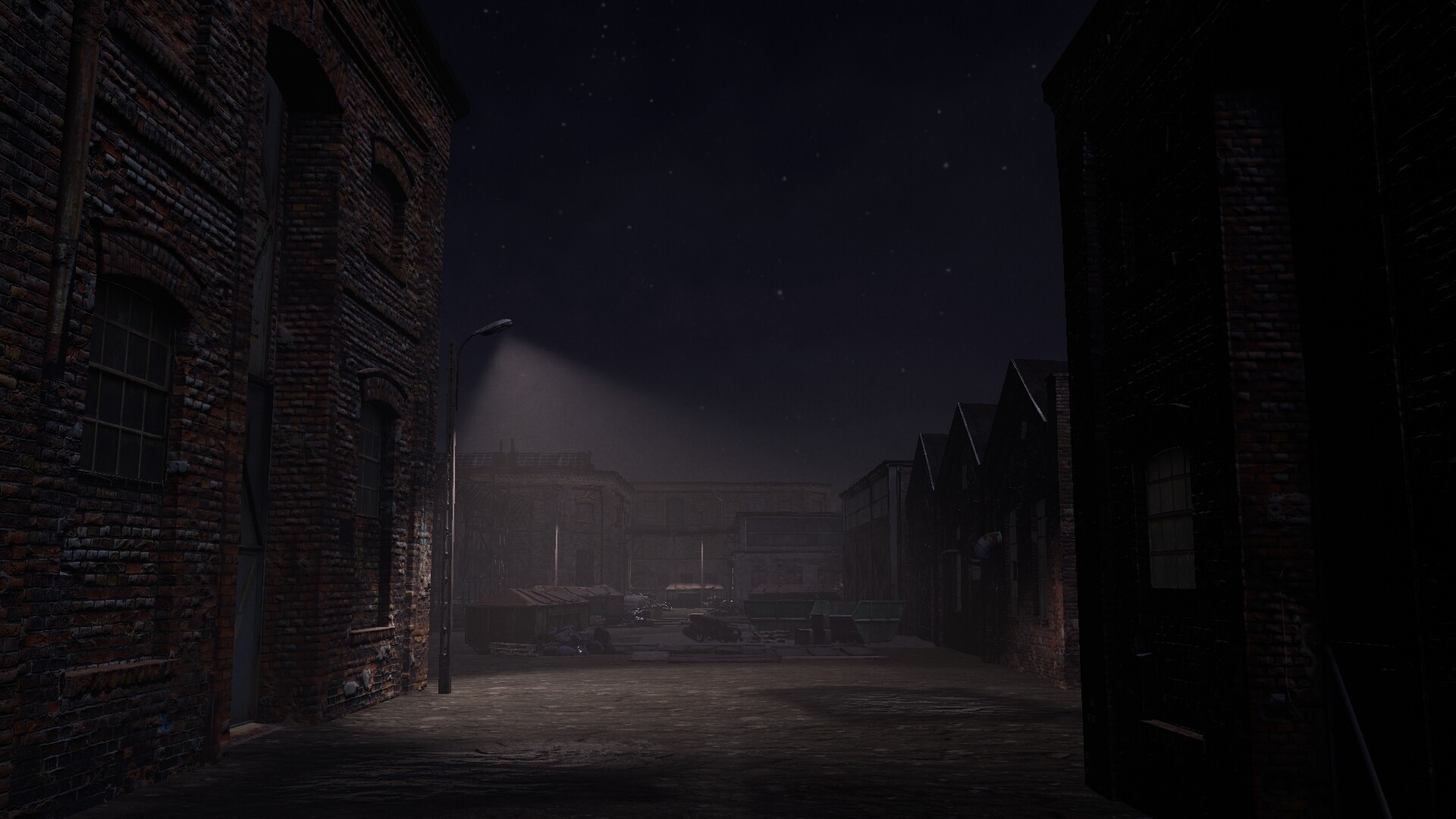
Trace of the Villa is a story-rich adventure on Steam that casts Jin as an investigator of his sister’s disappearance. According to the official Steam description, the game centers on exploring a deliberately forgotten mansion, restoring power to reveal secured systems, unlocking hidden compartments and safes, and recovering encrypted documents and financial manifests. The mansion’s rooms appear frozen mid-routine; the narrative emphasis is on assembled evidence and the trail those fragments create.
When and where
Trace of the Villa launched on Steam on 28 May, 2026. It is listed on Steam as an Action / Adventure / Indie title by developer and publisher Steadyturtle Co., Ltd., and is presented as a single-player PC experience with accessibility-focused category flags such as subtitle options and the ability to play without timed input.
Why the theme matters: abandoned estates & forensic curiosity
The mansion-as-evidence approach shifts emphasis away from jump scares or constant threat and toward environmental forensics: items left in place, altered systems that must be brought back online, and financial or identity traces that imply a larger operation. For players attracted to atmospheric mystery adventures, this framing rewards observational patience—the estate itself acts as a silent witness whose partial restoration produces the clues you need to follow Jin’s trail.
How you progress: environmental evidence and slow investigation
Progress is described in terms of uncovering artifacts and systems: restoring power to the estate brings secured systems online, safes and compartments reveal fragments of encrypted documents, and manifests and transfer records form a financial trail. The investigative loop is therefore largely clue-driven—find physical or digital evidence, decode or open it, and use those discoveries to access new areas or records. That design favors methodical players who enjoy assembling a broader pattern from small, often bureaucratic details.
Who should wishlist it? Player scenarios
- Forensic-curious explorers: you enjoy reading manifests, bank transfers, or logs and using those dry details to reconstruct events rather than relying on cutscenes.
- Mansion mystery fans: if you prefer the slow unfolding of an estate’s past—rooms left furnished, locked doors hiding context—this fits that mood.
- Players who favor environmental storytelling and patience: the game’s description suggests gradual reveals tied to restoring systems and opening secured containers rather than constant action beats.
- Puzzle-adventure players who dislike timed inputs: the Steam categories include “Playable without Timed Input,” making it suitable for methodical problem-solvers.
- If you want something more investigative than survival-horror: the premise emphasizes clues, manifests, and identities removed from records rather than pure combat or escape mechanics.
How it compares to nearby mystery/puzzle games
Below is a compact editorial comparison on lawful criteria—genre, atmosphere, puzzle focus, exploration style, story tone, and pacing—to help readers map Trace of the Villa to other well-known titles.
| Title | Primary mood / atmosphere | Puzzle / exploration focus | Pacing & player fit |
|---|---|---|---|
| Trace of the Villa | Decaying mansion, forensic, slow-burn suspense | Clue-driven: manifests, encrypted documents, restored systems | Methodical investigators who like environmental evidence and puzzle progression |
| Amnesia: The Dark Descent | Immersive survival-horror, oppressive dread | Exploration with stealth/survival elements and physics puzzles | Players seeking high tension and emergent terror |
| SOMA | Sci-fi horror with existential themes | Environmental puzzles and narrative encounters in a closed world | Those who want story-heavy, contemplative horror with exploration |
| Layers of Fear (2016) | Psychological, shifting Victorian mansion | Atmosphere-led puzzles and changing level design | Players who favor psychological storytelling and a painterly aesthetic |
| The Room | Focused, tactile mystery in contained locations | Mechanical, object-based puzzle boxes | Players who like tight, mechanical puzzles and tactile discovery |
| Rusty Lake Hotel | Surreal, eerie puzzle-adventure | Short, vignette-based puzzle chapters with dark tone | Fans of compact, puzzle-driven narratives and oddball tone |
Editorial note: the comparison above is focused on tone, puzzle emphasis, exploration style, and likely player preference rather than mechanical parity or platform features.
YouTube discovery
Looking for trailers or gameplay clips? Use the official YouTube search path to find publisher or player-uploaded videos: Search Trace of the Villa on YouTube. (This is a discovery link; individual videos should be verified as official before assuming publisher status.)
Decision checklist: should you wishlist it?
- Wishlist if you prefer slow investigation and reading environmental evidence to drive the narrative.
- Wishlist if you like mansion mysteries that emphasize paperwork, encrypted fragments, and restored systems as clues.
- Skip or delay if you want high-octane action or survival-scare pacing—Trace of the Villa’s premise signals a patient, forensic approach.
View Trace of the Villa on Steam
Referenced titles and trademarks are the property of their respective owners. Comparisons in this article are editorial discovery only and do not imply endorsement or sponsorship.
Leave a Reply