
Trace of the Villa — when puzzles become forensic storytelling
Trace of the Villa places you in a remote, decaying mansion where recovered manifests and encrypted fragments suggest Jin’s missing sister might still be alive. The game uses locked systems, hidden compartments, safes and restored estate infrastructure to pace revelations, so each solved puzzle feels like new evidence rather than a spoiler.
Who is Trace of the Villa for?
This is for players who prefer slow-burn suspense and environmental storytelling over combat-heavy thrill rides: people who enjoy atmospheric mystery adventure and psychological investigation, and those who like piecing a narrative together from documents, objects and system clues. If you enjoy interrogating rooms, reading manifests and connecting financial or identity fragments into a fuller picture, this fits your tastes.

What the game is (short digest)
Title: Trace of the Villa is an action/adventure indie built around a missing-person premise. The player character, Jin, arrives at a property cut off from the grid and recovers manifests, encrypted documents and other traces that hint at a larger operation. The mansion’s atmosphere—rooms left mid-routine, missing identities, locked doors—drives both puzzles and story beats.
| Title | Trace of the Villa |
|---|---|
| Release date | 28 May, 2026 |
| Developer / Publisher | Steadyturtle Co., Ltd. |
| Genres | Action, Adventure, Indie |
| Categories (Steam) | Single-player; Color Alternatives; Custom Volume Controls; Playable without Timed Input; Subtitle Options; Family Sharing |
| Steam app | Trace of the Villa on Steam |
When and where to find it
Trace of the Villa launched on 28 May, 2026 and is available on Steam for PC. If you want to track it, the Steam store page is the official place for wishlisting and platform details: https://store.steampowered.com/app/3483660/Trace_of_the_Villa/.

Why the mansion premise matters
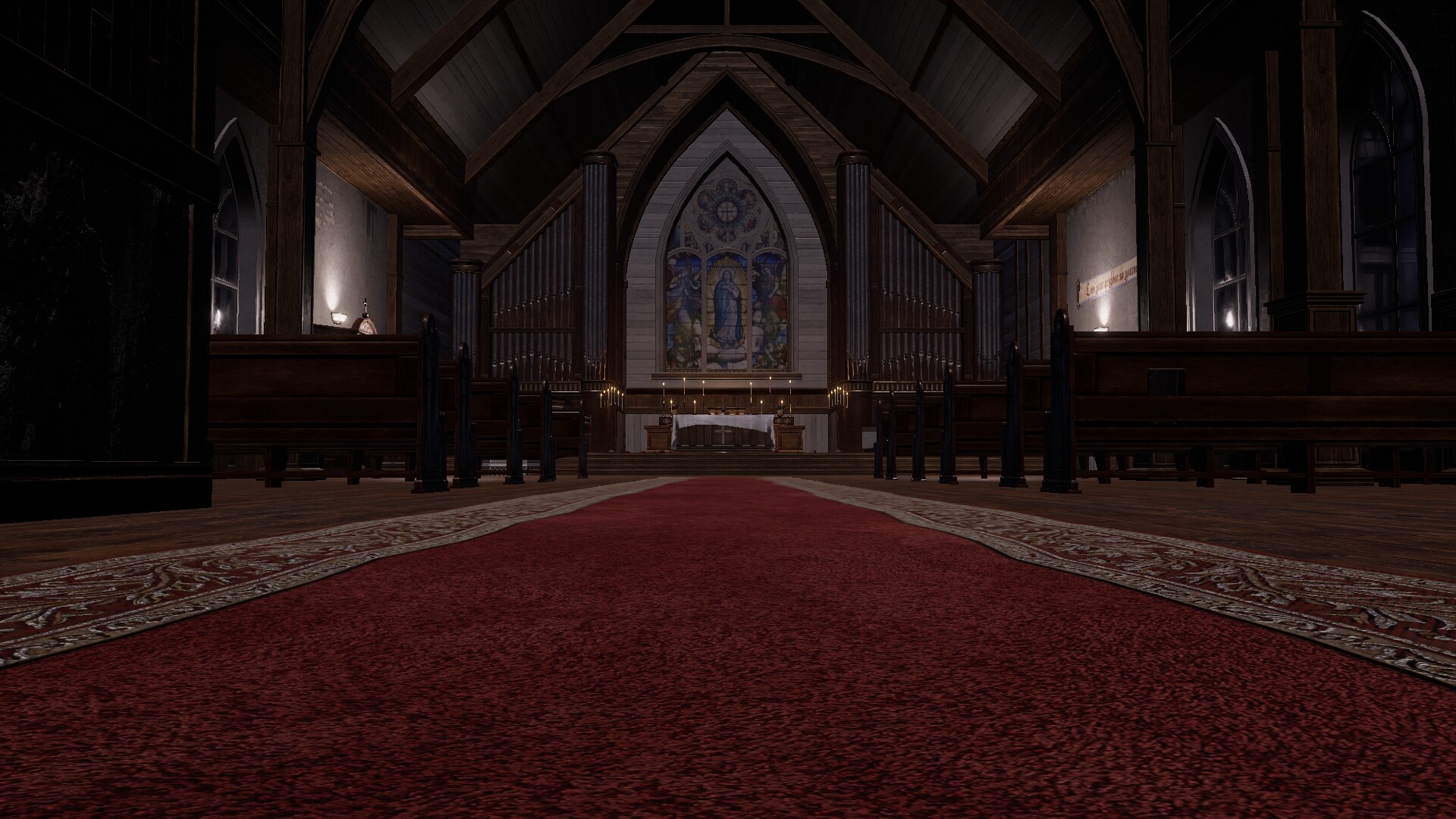
The mansion functions as both a setting and a mechanism: it’s a contained space where absence becomes evidence. Official store text emphasizes rooms left mid-routine, erased identities and secured systems that, when restored, reveal fragments such as encrypted documents, transfer records and manifests. Those fragments are the primary vehicles for story progression—each puzzle yields context rather than full exposition, which preserves later surprises while still rewarding careful observation.
How the game lets you read clues without spoiling the plot
Trace of the Villa stages information in small, verifiable units: a manifest line here, a transfer entry there, a decrypted fragment that corroborates a previous hint. Because evidence is layered—financial trails that lead nowhere, falsified identities, locked safes and restored estate systems—the player reconstructs a pattern rather than being handed a single reveal. That design choice does two things editorially valuable to curious players:
- It converts puzzle solving into forensic work: solve a safe or restore power, get a fragment that supports or contradicts your current hypothesis.
- It spaces revelations so the mansion’s full scope is inferred step-by-step, preserving major narrative beats while maintaining tension.
For readers deciding whether to play: if you enjoy extracting meaning from objects, reading manifests and slowly stitching together a timeline, the mechanics reward patience and attention rather than reflexes. The Steam categories list “Playable without Timed Input” and “Subtitle Options,” which aligns with a careful, contemplative experience.
How Trace of the Villa compares to related puzzle-adventure experiences
| Title | Primary genre | Puzzle focus | Exploration style | Story tone / pacing |
|---|---|---|---|---|
| Trace of the Villa | Action / Adventure / Indie | Clue-driven: manifests, encrypted documents, safes and system restoration | Room-to-room mansion exploration with environmental storytelling | Slow-burn, investigative, evidence-first |
| The Room / The Room Two | Adventure / Indie | Mechanical object puzzles and intricate box puzzles | Focused vignette spaces (single-room or set-piece) | Mysterious, tactile, puzzle-centric with atmospheric reveals |
| Unpacking | Casual / Indie | Item-placement, lifeYouTube discoveryFor trailer and gameplay discovery, use YouTube search rather than relying on unverified embeds: Find Trace of the Villa trailer and gameplay searches on YouTube. Reader decision checklistUse this checklist before deciding whether Trace of the Villa belongs on your Steam wishlist. The game is most relevant if you enjoy reading environmental evidence, following document trails, inspecting rooms for small inconsistencies, and letting a mystery unfold through objects rather than exposition. It is less about instant spectacle and more about the slow pressure of a place that seems to have been deliberately erased. SEO note for discovery-minded playersPlayers searching for atmospheric mystery adventure, clue-driven exploration, mansion mystery game, story-rich indie adventure, psychological investigation game, or narrative puzzle design are likely looking for the same core appeal: a PC game where the setting is not just a backdrop but the main source of evidence. Trace of the Villa fits that search intent because its official Steam premise centers on Jin, his missing sister, a remote mansion, restored systems, hidden compartments, safes, encrypted documents, and a trail of suspicious records. Final player-fit summaryWishlist Trace of the Villa if you want a slow investigation built around official Steam store elements: a 28 May, 2026 release from Steadyturtle Co., Ltd., a single-player PC/Steam mystery structure, official screenshots showing the mansion atmosphere, and a premise that uses the house itself as a puzzle box. The strongest fit is for players who prefer patience, observation, and narrative reconstruction over fast combat or loud horror beats. CommentsMore posts |
Leave a Reply