
Trace of the Villa: when puzzles act like evidence in a decaying mansion mystery
Trace of the Villa is a slow-burn, clue-driven adventure that casts you as Jin, a man who has spent years searching for his missing sister and follows leads to a remote, decaying mansion. The game foregrounds environmental storytelling: restoring power and opening locked systems reveals manifests, encrypted fragments, safes and hidden compartments that read like pieces of a case file rather than simple puzzle set-pieces.

Quick facts
| Title | Trace of the Villa |
|---|---|
| Developer / Publisher | Steadyturtle Co., Ltd. |
| Release date | 28 May, 2026 |
| Genres | Action, Adventure, Indie |
| Steam categories | Single-player; Color Alternatives; Custom Volume Controls; Playable without Timed Input; Subtitle Options; Family Sharing |
| Steam page | View Trace of the Villa on Steam |
Who is this for?
This is aimed at players who prefer atmospheric mystery adventures and investigative pacing over twitch reflexes. If you enjoy environmental storytelling—finding meaning in objects, manifests, security logs and the absence of obvious biographies—Trace of the Villa is pitched at you. It’s listed as single-player and has accessibility-focused categories such as playable without timed input and subtitle options, which supports a slower, contemplative investigation style.
What the game is
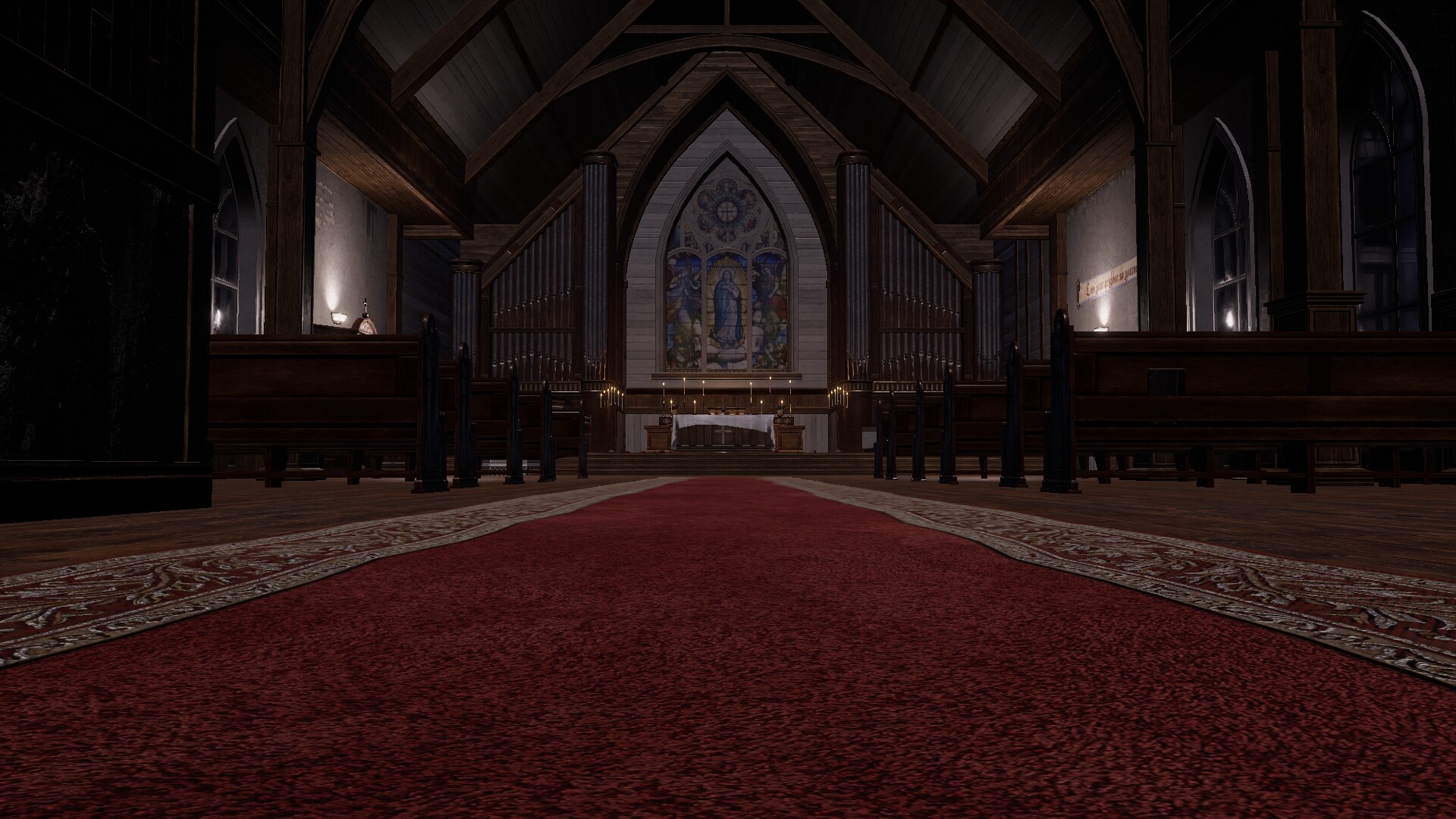
Officially described on Steam, the protagonist is Jin, whose search for a missing sister leads to a deliberately forgotten mansion. The house feels “less abandoned than erased”: furnished rooms that lack photographs or names, locked doors, and secured systems that, when restored, reveal fragments of encrypted documents and suspicious transfer records. The narrative and puzzle systems appear to treat clues as evidentiary fragments — each solved puzzle opens another layer of the timeline and raises more questions about arrivals, departures and masked movements.

When and where
Trace of the Villa launched on Steam on 28 May, 2026 and is presented as a PC/Steam release by Steadyturtle Co., Ltd., who are listed as both developer and publisher.
Why the theme matters: puzzles as evidence
Many puzzle adventures use riddles, codes and mechanical contraptions as obstacles; Trace of the Villa frames its puzzles as investigatory artifacts. The game’s official description emphasizes recovered manifests, encrypted documents and transfer records — not just puzzles for their own sake but pieces of a concealed operation. That framing changes how a player reads items: a bent photograph, an out-of-place ledger entry, or an access log are not merely clues to unlock a door but potential evidence with implications for motive, timing and identity.
How you play: reading clues, object logic, story puzzles
The Steam description outlines a progression built around restoring systems and unlocking compartments. Practically, that suggests three overlapping puzzle styles:
- Clue reading — textual fragments, manifests and logs that must be assembled into a timeline.
- Object logic — combining items, using tools to restore power or access hidden mechanisms, and treating physical props as meaningful rather than decorative.
- Story puzzles — sequences where solving one segment reveals narrative evidence (financial trails, falsified identities) that reframes earlier discoveries and directs you to the next area.
Expect a pacing that privileges methodical reconstruction: progress is earned by turning scattered artifacts into coherent inferences rather than arcade skill.
Comparison: how Trace of the Villa fits among puzzle-driven narrative games
| Title | Puzzle focus | Exploration style | Story tone / pacing | Best for |
|---|---|---|---|---|
| Trace of the Villa | Clue-as-evidence: manifests, encrypted fragments, locked systems | Slow, investigative mansion exploration | Slow-burn, unsettling; puzzles reveal operational traces and timelines | Players who want puzzles that recontextualize narrative facts |
| The Room | Mechanical safes and tactile, layered puzzle boxes | Closed, focused set-piece rooms | Atmospheric, solitary mystery with immediate tactile puzzles | Fans of tactile, object-centric puzzle design |
| Escape Simulator | Highly interactive escape-room puzzles; physics and manipulation | Room-by-room, highly interactive environments | Puzzle-first, playful and cooperative-friendly pacing | Players who enjoy physics interaction and co-op puzzle play |
| Unpacking | Domestic, inference-driven object placement and life-story clues | Calm, vignette-based rooms linked by life events | Zen, quiet and evocative; narrative emerges through possessions | Players who prefer emotional, low-pressure storytelling via items |
Player scenarios: who should wishlist Trace of the Villa
- Investigator type: you enjoy reading logs and building timelines; puzzles that act as evidence are more satisfying than stand-alone riddles.
- Atmospheric mystery fans: you prefer slow-burn tension, environmental detail and a sense of erasure rather than jump scares or high-action combat.
- Puzzle + narrative integrators: you want object logic that shifts the story — a solved safe changes what a document means, not just your inventory.
- Accessibility-conscious players: the Steam page lists subtitle options and playable without timed input tags, supporting those who benefit from measured pacing.
Where to look for trailers and clips
If you want to see trailers or gameplay footage, use this YouTube discovery search (search results will show trailers and community videos; specific videos should be verified for official source): Trace of the Villa trailer & gameplay on YouTube.
Steam link: https://store.steampowered.com/app/3483660/Trace_of_the_Villa/
Disclaimer: referenced titles and all trademarks belong to their respective owners. Comparisons in this article are editorial discovery only and not endorsements or statements of superiority.
Leave a Reply