
Trace of the Villa — a story-first mansion mystery about reading absence
Trace of the Villa drops players into Jin’s years-long search for a missing sister, with a decaying, off-grid mansion that yields manifests, encrypted fragments, and systems that only reveal their secrets once power is restored. It’s a slow-burning, atmospheric mystery adventure from Steadyturtle Co., Ltd., released on 28 May, 2026, that asks players to read what’s been deliberately erased as much as what remains.

What Trace of the Villa is
Trace of the Villa is an Action / Adventure / Indie title on Steam from developer and publisher Steadyturtle Co., Ltd. The official premise places you in the shoes of Jin, a search that culminates at a remote, deliberately forgotten mansion. Inside, furnished rooms seem frozen mid‑routine and locked doors hide carefully concealed operations — manifests, falsified identities, encrypted documents, and suspicious transfer records are the kinds of traces the game foregrounds. Restoring power is a narrative device: secured systems coming back online unlock compartments and puzzle sequences that reveal more of the house’s backstory.
Who it’s for
- Players who prefer story-first mystery design — those who want narrative motives and hidden histories revealed through exploration and found documents rather than explicit exposition.
- Fans of atmospheric mystery adventure on PC who appreciate environmental storytelling and clue-driven exploration over combat spectacle.
- Puzzle solvers who enjoy narrative puzzles tied to house systems: restoring power, unlocking safes, and assembling encrypted fragments to form a timeline.
- Accessibility‑minded players: the Steam page lists Single-player, Color Alternatives, Custom Volume Controls, Playable without Timed Input, Subtitle Options, and Family Sharing among its categories.
When and where
Trace of the Villa released on Steam on 28 May, 2026. It’s available on the Steam store page for PC (see the official store CTA at the bottom of this article). As of the available Steam data there are no user reviews yet on the product page.
Why the theme matters
The mansion mystery here hinges on absence as a storytelling tool. The official description emphasizes that identities appear to have been removed — no photographs, no names, rooms left as if people vanished mid‑routine — which makes investigation feel like assembling an identity from fragments. That thematic commitment shapes what you look for: not only physical clues but traces of bureaucracy (transfer records, manifests, falsified identities) that suggest an institutional, rather than purely supernatural, explanation. For players seeking mysteries that feel human and procedural, that blend is meaningful: it turns environmental details into forensic leads.
How players uncover meaning
The game uses restoration and recovery as mechanical metaphors for discovery. The Steam description explains that when Jin restores power, secured systems come back online, hidden compartments open, and safes yield fragments of encrypted documents. In practice, that maps to a loop of exploration → system restoration → new narrative artefacts → interpretation. Players progress by piecing together manifests and encrypted fragments into a timeline: each solved puzzle yields another layer of the operation that ran through the house, exposing financial trails, falsified identities, and the pattern of arrivals and departures. The clues are both literal (documents, safes) and atmospheric (rooms staged as if people vanished), so both close reading and environmental attention are rewarded.
Compact facts — Trace of the Villa
| Title | Trace of the Villa |
|---|---|
| Developer / Publisher | Steadyturtle Co., Ltd. |
| Genres | Action · Adventure · Indie |
| Steam categories | Single-player · Color Alternatives · Custom Volume Controls · Playable without Timed Input · Subtitle Options · Family Sharing |
| Official short description | Jin has spent years searching for his missing sister, pursuing leads that took him to a remote, decaying mansion where he recovered manifests and hints that indicate his sister may still be alive, somewhere at the end of the trail he is about to follow. |
| Release date | 28 May, 2026 |
| Steam reviews (public) | No user reviews |
Screenshots that suggest tone

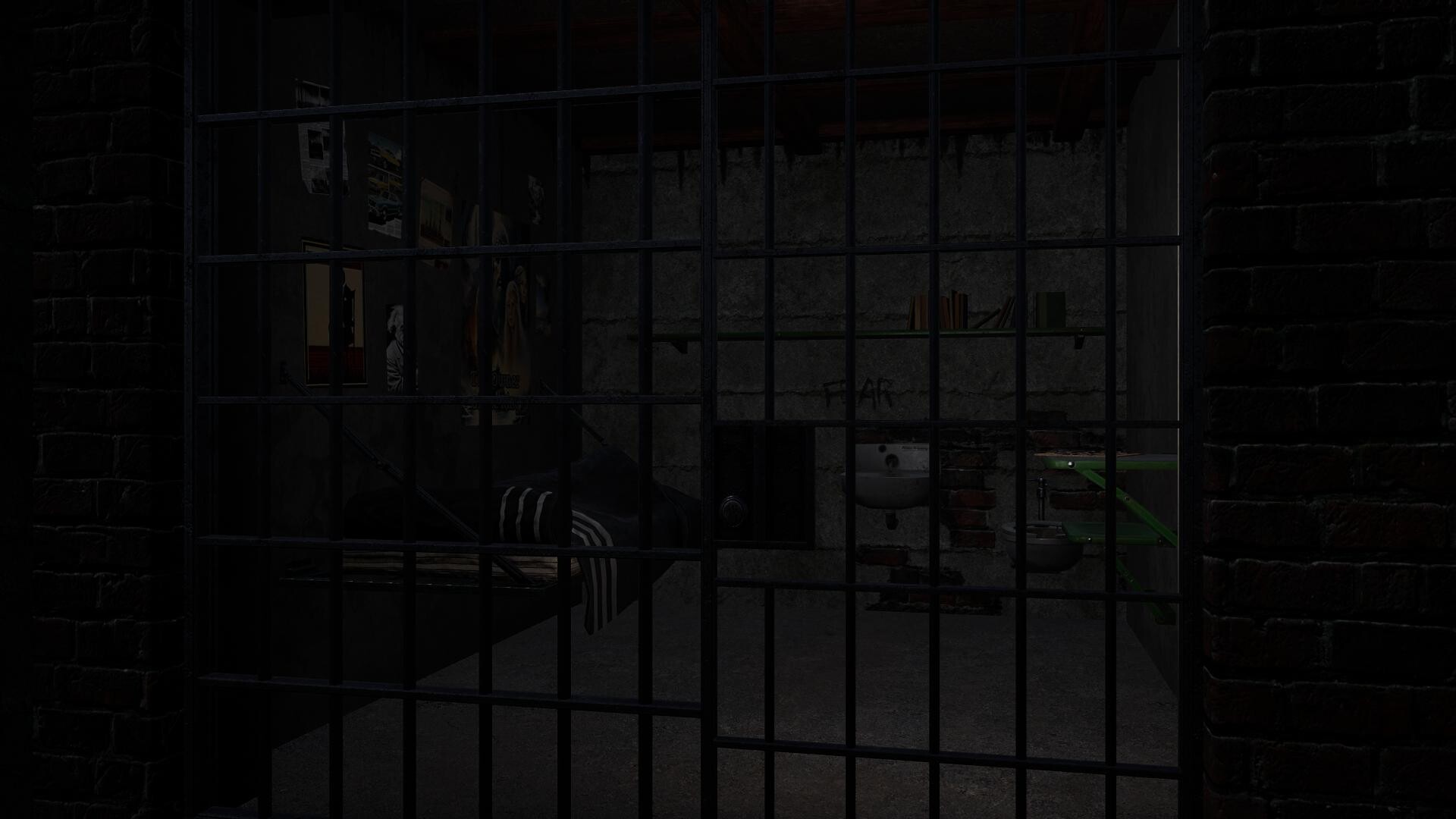
Who should wishlist it — three player scenarios
- The document archaeologist: You enjoy slowly reconstructing a life from manifests, ledgers, and encrypted fragments. Trace of the Villa places bureaucracy and financial traces at the center of mystery, so reading files matters as much as solving mechanical locks.
- The atmospheric detective: You prefer environmental storytelling — staged rooms, missing photographs, and the sense that a whole social history was erased. If you like games where mood and detail carry narrative weight, this is aligned with your taste.
- The steady puzzle explorer: You dislike frantic timed sequences and prefer paced progression where restoring systems opens new areas of investigation. The Steam categories indicate the game is playable without timed input and offers accessibility options that support thoughtful play.
How Trace of the Villa compares (editorial discovery)
Below is a focused comparison on lawful editorial criteria — atmosphere, puzzle focus, exploration style, story tone, and pacing — to help readers decide fit. These comparisons are intended to highlight where Trace of the Villa sits relative to other well-known narrative mysteries and atmospheric adventures.
| Game | Atmosphere / Tone | Puzzle / Exploration Focus | Story Style / Pacing | Player fit |
|---|---|---|---|---|
| Trace of the Villa | Slow‑burn, decaying mansion; emphasis on erased identities and institutional traces. | Clue-driven: restoring systems, safes, encrypted documents, manifests. | Patient, investigative; each restoration unlocks narrative fragments. | Players who like forensic environmental storytelling and narrative puzzles. |
| Inscryption | Dark, psychological, card‑based horror (inky, claustrophobic). | Deckbuilding + escape‑room style puzzles; mechanics reveal meta‑narrative. | Twisty, emergent; often breaks genre boundaries for narrative surprises. | Players who enjoy mechanical novelty with horror and layered secrets. |
| Outer Wilds | Curious, cosmic; wonder and melancholy across a solar system. | Exploration and observation; environmental puzzles across locations and time. | Slow, discovery-led; pacing tied to exploration loops and revelations. | Players who like open, systemic mysteries where environment teaches you. |
| Journey | Minimal, evocative, and poetic exploration. | Movement and environmental discovery rather than puzzles. | Short, meditative; emotion and atmosphere drive the experience. | Players seeking contemplative, non‑verbal storytelling. |
| The Forgotten City | Ancient, moral mystery with time‑loop mechanics. | Conversational and logical puzzles built around a constraint (time loop). | Structured and narrative-heavy; pacing depends on puzzle solutions. | Players who like narrative puzzles with a clear central mystery mechanic. |
| The Medium | Psychological, dual‑reality horror with atmospheric dread. | Environmental puzzles that exploit two overlapping worlds. | Linear, narrative-led; tension and revelations escalate steadily. | Players who appreciate psychological horror and dual‑world mechanics. |
YouTube discovery
If you want to see trailers or early gameplay clips, search YouTube for Trace of the Villa using this query link: Trace of the Villa trailer & gameplay search. This link is provided as a discovery path — do not assume every result is official.
Where to wishlist / store listing
If this description matches your taste, you can view or wishlist Trace of the Villa on Steam:
Leave a Reply