Trace of the Villa — when puzzles become evidence: reading clues, object logic, and story puzzles
Trace of the Villa puts exploration and puzzle-solving at the service of a tightly focused mystery: Jin follows fragments of a trail inside a decaying mansion that may hold the key to his missing sister. The game’s narrative unfolds through recovered manifests, locked systems, and encrypted fragments that treat each solved puzzle as a piece of evidence rather than a mere gate.

Who this is for
- Players who prefer single-player, story-rich adventures focused on environmental storytelling and slow-burn suspense.
- Fans of clue-driven exploration where solving puzzles reveals chronology and motive instead of only unlocking the next room.
- PC players who value accessibility options: color alternatives, custom volume controls, subtitle options, and play without timed input (see categories).
- Not aimed at those seeking multiplayer or fast-action arcade puzzling — Trace of the Villa is organized around personal investigation and atmospheric discovery.
What the game is
Trace of the Villa is an Action / Adventure / Indie title from Steadyturtle Co., Ltd., released on 28 May, 2026 for Steam. According to the official short description, protagonist Jin has spent years searching for his missing sister; a lead points him to a remote, deliberately forgotten mansion where manifests and hints suggest she may still be alive. The official description emphasizes locked doors, secured systems coming back online when Jin restores power, safes with encrypted document fragments, and financial trails that lead nowhere — all elements that make the game’s puzzles function as evidence in a wider story.
When and where
Trace of the Villa is available on Steam; it released on 28 May, 2026. If you want to see the store page or add it to your wishlist, use the Steam link below.
Why the theme matters: puzzles as evidence and narrative logic
In Trace of the Villa the puzzle design is explicitly tied to narrative reconstruction. The official description lays out a play loop where environmental clues—manifests, transfer records, encrypted documents—are uncovered as you restore power and access locked systems. That framing turns each solved puzzle into corroborating evidence rather than an isolated brainteaser. For players who enjoy building a timeline or making sense of a character’s past through objects and documents, this approach makes investigative momentum feel earned: a solved safe or a decrypted file doesn’t just open a door, it shifts the story’s hypothesis about who was there and why.
How you read clues and progress
The game’s own synopsis details the mechanisms it uses to make puzzles narratively meaningful: restoring estate power brings systems back online, hidden compartments become accessible, and safes yield fragments of encrypted documents and suspicious transfer records. From those official cues you can expect three interlocking puzzle behaviors:
- Clue reading — texts, manifests and hints are presented as fragments whose context you must reconstruct.
- Object logic — physical objects (locked doors, safes, secured systems) respond to deduced relationships rather than arbitrary codes; interacting with the environment reveals further evidence.
- Story puzzles — solutions not only advance traversal but also reveal timeline details and patterns (arrivals without records, departures without witnesses) that change the investigation’s direction.
That chain — read clue, apply object logic, update narrative hypothesis — is the game’s designer note: puzzles are evidence. Expect a methodical pace where discovery accumulates into a pattern rather than instant exposition.
Compact facts — Trace of the Villa
| Title | Trace of the Villa |
|---|---|
| Steam appid | 3483660 |
| Release date | 28 May, 2026 |
| Developer / Publisher | Steadyturtle Co., Ltd. |
| Genres | Action, Adventure, Indie |
| Categories / Notable features | Single-player; Color Alternatives; Custom Volume Controls; Playable without Timed Input; Subtitle Options; Family Sharing |
| Official short description | Jin has spent years searching for his missing sister, pursuing leads that took him to a remote, decaying mansion where he recovered manifests and hints that indicate his sister may still be alive, somewhere at the end of the trail he is about to follow. |
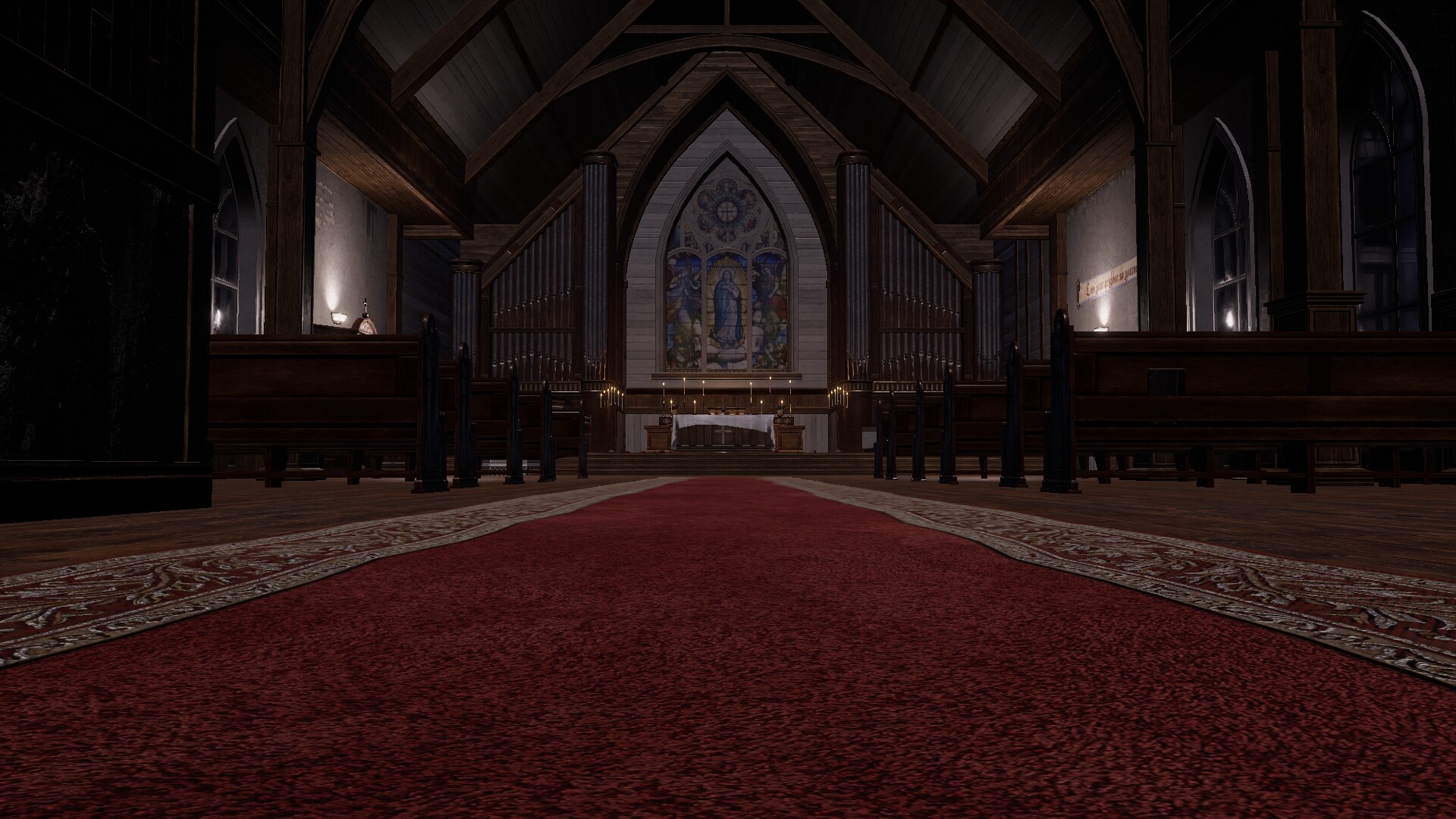
Official screenshots

Comparison: where Trace of the Villa sits among puzzle-adventure peers
| Title | Puzzle focus | Atmosphere / Tone | Exploration style | Pacing / Player fit |
|---|---|---|---|---|
| Trace of the Villa | Clue-driven evidence, safes, encrypted documents, manifests (narrative reconstructed through discoveries) | Mansion mystery, slow-burn suspense, unsettling absent histories | Environmental investigation; systems restored to reveal further content | Methodical; for players who like deliberate narrative assembly |
| The Room | Mechanical object puzzles centered around a cast-iron safe | Mysterious, intimate, tactile | Focused single-room/connected-object exploration | Puzzle-first, tactile solutions; fits players who enjoy contraption puzzles |
| The Room Two | Complex object puzzles extended across interconnected environments | Cryptic, atmospheric, escalating mystery | Room-by-room puzzle progression with a sense of journey | Player-facing puzzle escalation; good for those who enjoyed the first The Room |
| Unpacking | Everyday object placement as puzzle; clues about a life revealed through possessions | Zen, reflective, domestic storytelling | Non-linear, vignette-based exploration of a life via rooms and items | Slow and contemplative; ideal for players who prefer narrative through objects without tension |
Escape
Steam pageView Trace of the Villa on Steam YouTube discoveryFor trailer and gameplay discovery, use YouTube search rather than relying on unverified embeds: Find Trace of the Villa trailer and gameplay searches on YouTube. CommentsMore posts |
Leave a Reply