
Trace of the Villa: puzzles as evidence and narrative logic
Trace of the Villa positions mystery puzzles as fragments of a larger case: each solved object and decoded manifest functions like evidence that reshapes what you believe about the mansion and Jin’s search for his missing sister. Released on 28 May, 2026, the game leans on environmental storytelling and clue-reading to pull players through a slow-burn, atmospheric investigation.

Quick facts
| Title | Trace of the Villa |
|---|---|
| Steam AppID | 3483660 |
| Release date | 28 May, 2026 |
| Developer / Publisher | Steadyturtle Co., Ltd. |
| Official short description | Jin has spent years searching for his missing sister, pursuing leads that took him to a remote, decaying mansion where he recovered manifests and hints that indicate his sister may still be alive, somewhere at the end of the trail he is about to follow. |
| Genres | Action, Adventure, Indie |
| Steam categories | Single-player; Color Alternatives; Custom Volume Controls; Playable without Timed Input; Subtitle Options; Family Sharing |
Who should wishlist it
- Players who favor atmospheric mystery adventures where puzzles serve as forensic clues rather than abstract riddles.
- Fans of environmental storytelling and slow-burn suspense who want exploration that rewrites the narrative as new documents and systems come online.
- PC players who prefer single-player, accessible options (subtitles, non-timed input) and tactile puzzle interactions tied to an investigative premise.
What the game actually is
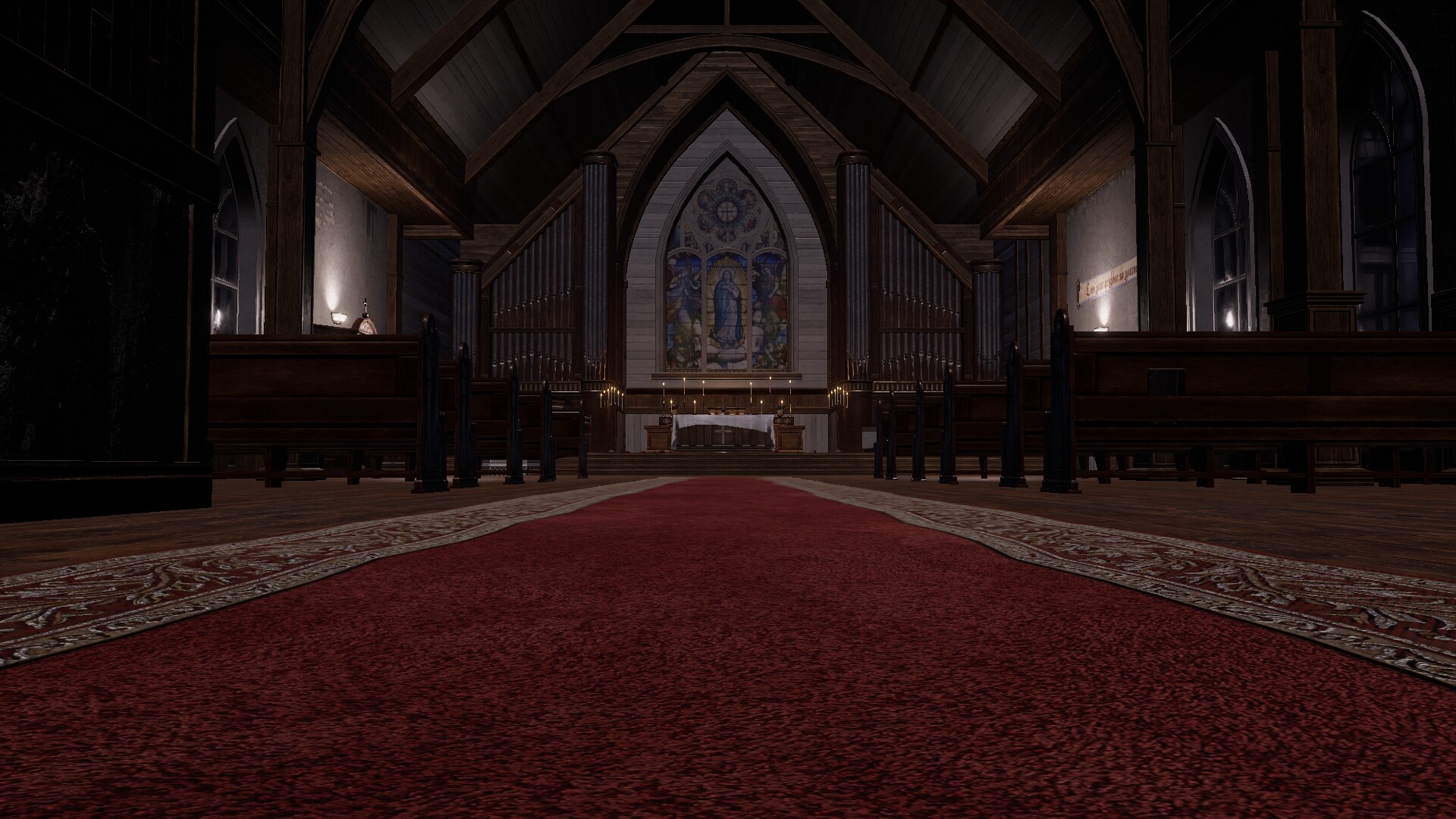
Trace of the Villa casts you as Jin, a searcher chasing a lead to a remote, deliberately forgotten mansion. The house isn’t simply full of puzzles — it’s full of traces: manifests, encrypted documents, locked compartments and secured systems that reveal a pattern of arrivals, departures, and falsified identities as you restore power and pry open the estate’s hidden history. The puzzles are woven into the investigative frame so that each solved object reads like evidence that shifts your reading of the story.
When and where
Available on Steam — Trace of the Villa released on 28 May, 2026. The Steam page lists developer and publisher as Steadyturtle Co., Ltd. and includes accessibility and quality-of-life categories such as subtitle options and playable without timed input.
Why the “puzzles as evidence” approach matters
Puzzle-adventure players often split along two axes: mechanical cleverness versus narrative integration. Trace of the Villa explicitly ties its puzzles to casework. Rather than being isolated logic tests, items you decode, safes you open, or systems you restore produce tangible narrative artifacts — manifests, transfer records, and encrypted fragments — that you then must interpret to move the investigation forward. That makes the act of solving a puzzle both a gameplay reward and an evidentiary step in the story’s logic.
How you progress: clue reading, object logic, and story puzzles
Progression in Trace of the Villa emphasizes three overlapping skills:
- Clue reading — noticing and connecting small details in the environment and documents so new information reframes earlier assumptions.
- Object logic — performing hands-on interactions (restoring power, opening safes, examining personal effects) where the solution is grounded in the object’s purpose or construction.
- Story puzzles — puzzles that are meaningful because they unlock story beats (manifests, encrypted transfers) rather than existing purely for a mechanical twist.
Because the Steam page lists options like “Playable without Timed Input” and subtitles, the game appears designed to let players focus on careful interpretation rather than reflex. That supports a methodical, evidence-driven playstyle: take time to catalog discoveries, then let those discoveries reframe the next objective.
Player scenarios — which sessions fit Trace of the Villa
- Single-session investigators: Players who like to spend an evening slowly piecing together a single mystery will find the mansion’s evidence-driven beats satisfying. The non-timed inputs and subtitles let you take notes and re-check documents.
- Document collectors: If you enjoy cataloguing items, cross-referencing manifests and building a timeline to test theories, the game’s puzzle-evidence loop is made for you.
- Atmosphere-first explorers: Players who prioritize tone and slow-burn suspense over rapid puzzle solutions will appreciate environmental touches and the way restored systems change the house’s behavior.
How it compares — safe editorial context
Below is a concise comparison with nearby puzzle-adventure reference points. These comparisons use genre, atmosphere, puzzle focus, exploration style, story tone, and pacing as editorial criteria rather than claims of superiority.
| Title | Primary genre | Atmosphere / Story tone | Puzzle focus | Exploration style | Pacing / Player fit |
|---|---|---|---|---|---|
| Trace of the Villa | Action, Adventure, Indie | Mansion mystery, investigative, slow-burn suspense (Jin searching for his missing sister) | Clue-driven, object-based puzzles that produce documentary evidence | Linear exploration of a decaying estate with systems-to-restore | Methodical players who prioritize narrative logic and environmental storytelling |
| The Room | Adventure, Indie | Isolated, tactile mystery centered on locked devices and curiosity | Mechanical, tactile safes-and-box puzzles | Focused, single-room-to-multi-chamber puzzle progression | Players who enjoy intricate mechanical puzzles and intimate environments |
| Escape Simulator | Adventure, Casual, Indie, Simulation | Interactive escape-room environments, more playful and cooperative in design | Highly interactive object puzzles, physics and inventory-driven | Room-by-room, sandbox-like interactions with high player freedom | Players who like hands-on interaction and modular room challenges (solo or co-op) |
| Unpacking | Casual, Indie, Simulation | Zen, domestic, quiet narrative told through objects | Spatial, placement-based puzzles that reveal personal history | Low-pressure, room-filling exploration focused on objects and context | Players who prefer subtle narrative through possessions and pacing over explicit mystery |
YouTube discovery
If you want trailer or gameplay clips, search YouTube for Trace of the Villa using this discovery path: YouTube search for Trace of the Villa trailer & gameplay. (This is a search/discovery link and does not assert a specific official video.)
View Trace of the Villa on Steam
Disclaimer: referenced titles and trademarks belong to their respective owners. Comparisons are editorial discovery only and not endorsements or claims of official association.
Leave a Reply