
Trace of the Villa — puzzles as evidence in a mansion mystery
Trace of the Villa casts you as Jin, a man following fragmented manifests and hints into a remote, decaying mansion to determine whether his missing sister might still be alive. Released on 28 May, 2026 by Steadyturtle Co., Ltd., the game blends environmental storytelling and clue-driven exploration to make each solved puzzle feel like the discovery of a forensic fact.

Quick facts
| Title | Trace of the Villa |
|---|---|
| Developer / Publisher | Steadyturtle Co., Ltd. |
| Release date | 28 May, 2026 |
| Genres | Action, Adventure, Indie |
| Steam categories | Single-player; Color Alternatives; Custom Volume Controls; Playable without Timed Input; Subtitle Options; Family Sharing |
| Steam page | Trace of the Villa on Steam |
Who should wishlist this
- Players who prefer single-player, story-rich adventure with slow-burn suspense and mansion mystery beats.
- Fans of environmental storytelling who enjoy reading evidence — manifests, transfer records, encrypted documents — to reconstruct events.
- Players who like puzzle systems that behave like investigative tools rather than purely abstract obstacles: clue reading, object logic and narrative puzzles.
- Not ideal for those looking primarily for multiplayer or fast-action arcade puzzles; the Steam categories list it as a single-player experience.
What Trace of the Villa is
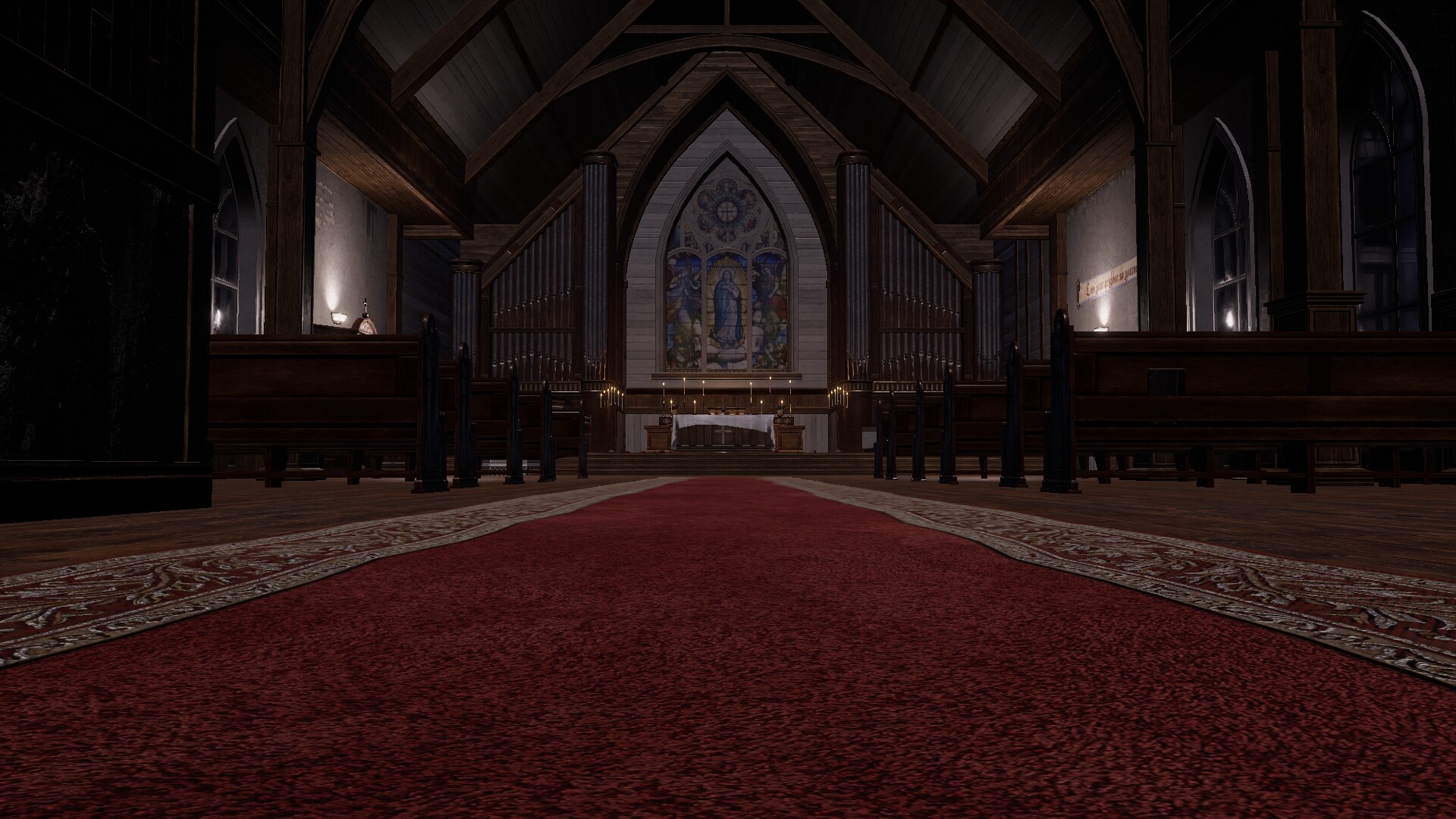
Officially described on its Steam page, Trace of the Villa follows Jin as he investigates a property “cut off from the grid and deliberately forgotten.” Inside, rooms look as if occupants vanished mid-routine; locked doors, hidden compartments and safes reveal fragments of encrypted documents and suspicious transfer records when power and systems are restored. The tone is an atmospheric mystery adventure that mixes investigation with moments of action, leaning into psychological investigation and puzzle-driven discovery.
When and where
Trace of the Villa was released on Steam on 28 May, 2026 and is listed as an Action / Adventure / Indie title on its Steam store page. The Steam listing includes accessibility-style categories such as subtitle options and the ability to play without timed input, which may appeal to players who prefer measured, exploratory pacing.
Why the theme matters: puzzles as evidence
Unlike puzzle collections that exist as self-contained tests of logic, Trace of the Villa frames puzzles as forensic artifacts. Restoring power or opening a safe does not just unlock a mechanical reward; it produces a document, a manifest, or a trace that changes your understanding of who was here and why. That approach turns object logic — inventory items, placed objects, functional systems — into pieces of an evidentiary chain. The game’s narrative logic asks you to treat each solved riddle as an inference: a new fact that constrains the possible histories of the mansion.
How you progress: reading clues, object logic, and story puzzles
Progression in Trace of the Villa is described on Steam as tied to exploration and the recovery of manifests, manifests and encrypted fragments. Expect three overlapping puzzle behaviors:
- Clue reading: interpreting written records and manifests to discover leads and timelines.
- Object logic: manipulating environmental systems (power, compartments, safes) so objects reveal contextual evidence.
- Story puzzles: sequences where solving one narrative lock (restoring power, decrypting a file) produces plot-forwarding information rather than just a mechanical key.
This design makes the act of solving itself part of the storytelling: you don’t merely “beat” a puzzle; you corroborate a hypothesis about the house and its occupants.
Comparison: Where Trace of the Villa sits among similar puzzle-adventure games
Below is an editorial comparison focused on genre, atmosphere, puzzle focus, exploration style, tone and pacing. These comparisons are editorial discovery, not claims of endorsement.
| Title | Genre / Core feel | Puzzle focus | Exploration style | Tone / Pacing | Best for |
|---|---|---|---|---|---|
| Trace of the Villa | Action / Adventure / Indie — atmospheric mystery adventure | Clue-driven, evidence-oriented (manifests, safes, encrypted docs) | Single-player mansion exploration, system restoration | Slow-burn suspense, investigative | Players who want narrative puzzles that change story understanding |
| The Room | Adventure / Indie — intimate, mechanical puzzle cabinet | Mechanical, tactile safes and boxes | Linear room-to-room puzzle progression | Mysterious and focused, measured pacing | Fans of tactile puzzle design and locked-box mechanics |
| The Room Two | Adventure / Indie — expanded mechanical puzzle locales | Complex mechanical puzzle chains | Multi-location exploration with linked devices | Mysterious, slightly broader scope than original | Players who enjoyed the first game and want more mechanical complexity |
| Escape Simulator | Adventure / Casual / Indie — interactive escape rooms | Physics and object interaction, cooperative room solving | Highly interactive rooms with variety and community-made content | Fast-paced room puzzles to varied tempo | Those who enjoy hands-on object interaction and multiplayer/co-op rooms |
| Unpacking | Casual / Indie — zen object-based storytelling | Spatial, item-placement puzzles that reveal life-story | Quiet domestic spaces, methodical unpacking | Relaxed,YouTube discoveryFor trailer and gameplay discovery, use YouTube search rather than relying on unverified embeds: Find Trace of the Villa trailer and gameplay searches on YouTube. CommentsMore posts |
Leave a Reply