Trace of the Villa — an atmospheric puzzle-adventure that treats clues as evidence
Trace of the Villa places you in a decaying mansion where recovered manifests, encrypted fragments, and the return of power reveal a hidden operation — and a personal trail that might lead Jin to his missing sister. The game pairs slow-burn exploration with object logic and story-based puzzles that require reading the environment like a case file.

| Title | Trace of the Villa |
|---|---|
| Steam AppID | 3483660 |
| Release date | 28 May, 2026 |
| Developer / Publisher | Steadyturtle Co., Ltd. |
| Genres | Action, Adventure, Indie |
| Steam categories | Single-player; Color Alternatives; Custom Volume Controls; Playable without Timed Input; Subtitle Options; Family Sharing |
| Premise (official) | Jin has spent years searching for his missing sister, pursuing leads that took him to a remote, decaying mansion where he recovered manifests and hints that indicate his sister may still be alive. |
Who this is for
This is a fit for players who prefer story-rich adventure with investigative pacing rather than twitch action: those who enjoy environmental storytelling, forensic reading of notes and objects, and puzzles that function as narrative evidence. If you like slow-burn mansion mysteries and puzzle logic that advances a timeline, Trace of the Villa is aimed at you.
What the game is
Trace of the Villa is an indie action-adventure on Steam from Steadyturtle Co., Ltd. It stages a psychological investigation inside a deliberately neglected estate. The official short description frames the plot — Jin’s search for his missing sister leads him to a property cut off from the grid where recovered manifests and fragments hint at an ongoing, concealed operation.
When & where — Steam/PC context
Trace of the Villa released on Steam on 28 May, 2026. It is presented as a PC Steam title (Steam AppID 3483660) and lists standard accessibility options on its store page such as subtitles, color alternatives, custom volume controls, and “playable without timed input,” which points to a measured, contemplative pacing rather than speed-based mechanics.
Why the theme matters — puzzles as evidence
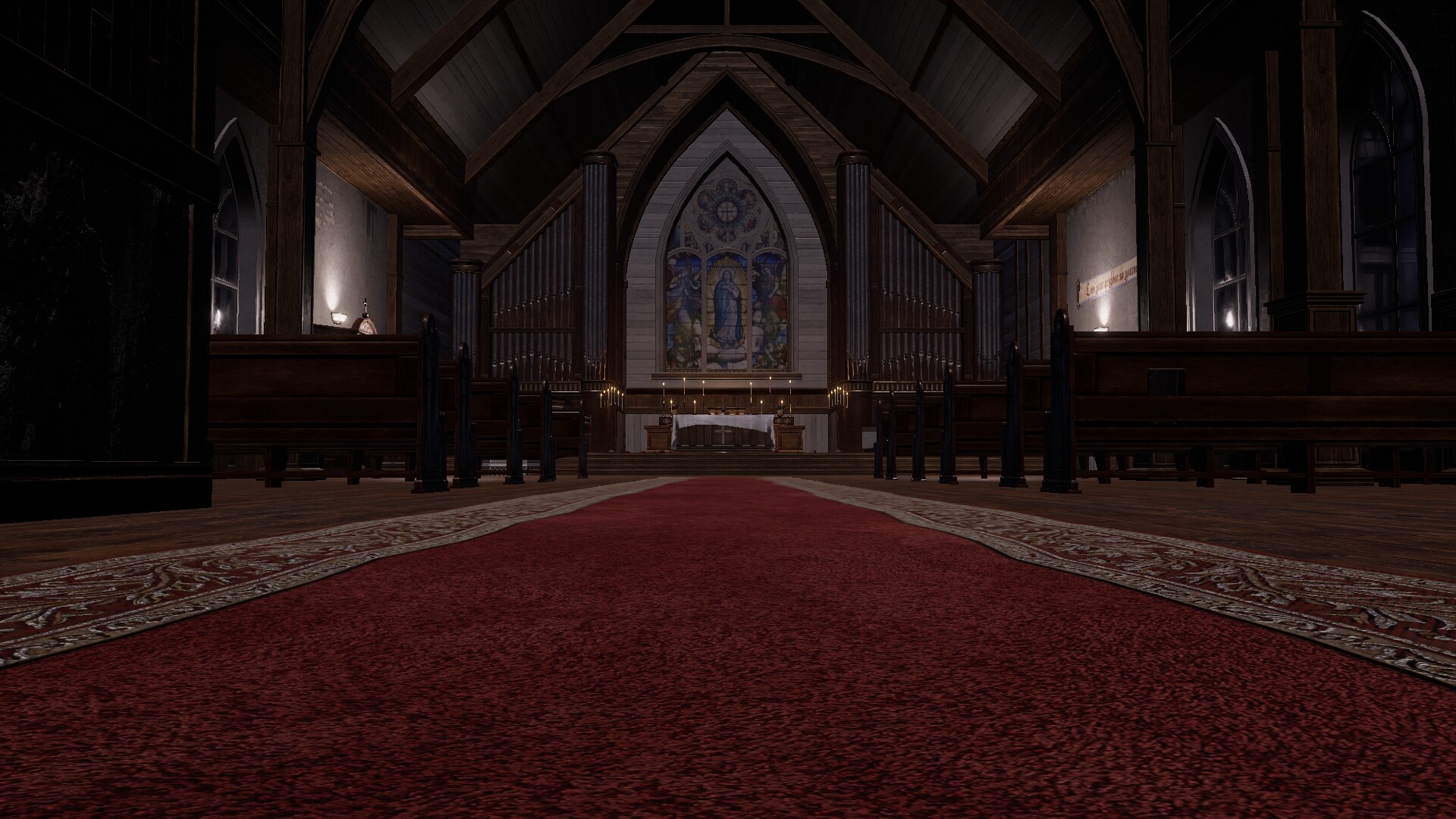
Trace of the Villa treats puzzles as pieces of a case rather than abstract obstacles. The official store copy highlights restored power, safes that yield encrypted documents, suspicious transfer records, and manifests — all language that frames puzzle-solving as evidentiary work. That thematic choice changes the player’s relationship to objects: a ledger, a locked drawer, or a corrupted file is not just a key-and-lock sequence, it is a fragment of a timeline that must be interpreted and placed into context.
How you read clues and progress
- Environmental reading: rooms are staged as if occupants vanished mid-routine, which encourages players to infer routines and timelines from object placement.
- Restoration and systems: the official description notes restoring power as a turning point — systems coming back online is a literal mechanic that unlocks new information and puzzles.
- Document and safe fragments: safes yield encrypted documents and suspicious transfer records; those fragments act like forensics, requiring players to assemble financial and identity traces to understand the mansion’s purpose.
- Object logic: inventory and object interactions will likely follow a puzzle-adventure logic where items and clues combine to produce new leads, rather than randomized loot or combat progression.
Player scenarios — who should wishlist (and who should look elsewhere)
- Wishlist if you enjoy: atmospheric mystery adventure, story puzzles that feel like building a case file, investigative pacing, and puzzle design where reading text and object placement yields narrative reveals.
- Consider later if you prefer: fast-paced action or multiplayer experiences — Trace of the Villa is single-player and emphasizes slow-unfolding discovery as indicated by its Steam categories and store text.
- Good fit for: players who appreciated slow, tactile puzzle exploration and narrative-driven indie mysteries rather than high-tempo combat or timed challenge rooms.
Comparison — where Trace of the Villa sits among similar puzzle/adventure titles
| Title | Genre (store) | Atmosphere & pacing | Puzzle focus | Exploration style |
|---|---|---|---|---|
| Trace of the Villa | Action / Adventure / Indie | Mansion mystery; slow-burn, investigative | Document forensics, object logic, system restoration | Single-player, narrative rooms that reveal history |
| The Room (2014) | Adventure / Indie | Claustrophobic, puzzle-box tempo | Tactile mechanical puzzles focused on a single environment | Focused, room-by-room puzzle examination |
| The Room Two (2016) | Adventure / Indie | Expanded locales, still puzzle-centric and deliberate | Layered mechanical puzzles with a narrative thread | Sequential scenes that build a broader mystery |
| Escape Simulator (2021) | Adventure / Casual / Indie / Simulation | Varied pacing — often quick puzzle rooms, co-op friendly | Highly interactive props, physics-based escape puzzles | Room-based, community-made rooms and editor-driven content |
| Unpacking (2021) |
Leave a Reply