Trace of the Villa — how clues, object logic and story puzzles turn evidence into narrative
Trace of the Villa places you in Jin’s shoes as he follows the faint trail of a missing sister into a remote, decaying mansion. The game pairs clue-driven exploration with items, locked systems and documents that read like evidence — each solved puzzle is a narrative inference that reshapes what you think happened.

What is Trace of the Villa?
Developed and published by Steadyturtle Co., Ltd., Trace of the Villa is a Steam PC release categorized as Action, Adventure, Indie. According to the official Steam description, Jin has been searching for his missing sister for years; a lead brings him to an off-grid mansion where power restoration and forensic-style puzzle solving uncover encrypted manifests, falsified identities and movements masked behind false records. Release date: 28 May, 2026.
Compact facts
| Title | Trace of the Villa |
|---|---|
| Developer / Publisher | Steadyturtle Co., Ltd. |
| Release date | 28 May, 2026 |
| Genres | Action, Adventure, Indie |
| Key Steam categories | Single-player; Color Alternatives; Custom Volume Controls; Playable without Timed Input; Subtitle Options; Family Sharing |
| Steam page | Trace of the Villa on Steam |
Who should wishlist this game?
If you prefer slow-burn suspense and puzzle systems that act like investigative tools rather than abstract keys, Trace of the Villa is aimed at players who enjoy environmental storytelling and narrative puzzle design. The central thread — Jin’s search for his sister through recovered manifests and encrypted documents — will appeal to those who like reading clues and assembling a case from indirect evidence rather than being told everything up front.
When and where to play
Trace of the Villa is available on Steam with an official release date of 28 May, 2026. The Steam page lists it as a single-player PC title with subtitle and accessibility options including color alternatives and custom volume controls.
Why the theme matters: puzzles as evidence
The game’s premise treats puzzles as forensic artefacts: restores power to locked systems, unlocks compartments, and extracts fragments of encrypted documents and suspicious transfer records. That means each solved lock or decrypted file functions as evidence in a case file that changes the player’s hypotheses about what the mansion was used for. Thematically, this design foregrounds how narrative logic can be built from sequence — not just discovery, but inference. Puzzles are not merely obstacles but pieces of a timeline.
How you progress: reading clues and object logic
Progression comes from interacting with the estate’s remnants and restoring systems to reveal more material. Expect to examine personal belongings (notably, deliberately missing photographs or names), piece together falsified identities, follow financial trails that lead nowhere, and connect physical signs of occupancy to encrypted files and manifests. The core loop is observational: find partial evidence, use item and environmental logic to unlock another fragment, and update your working theory of events.

Player scenarios — who will enjoy which moments
- The methodical investigator: you like cross-referencing items, recreating timelines from receipts and manifests, and drawing conclusions from partial records. Trace of the Villa’s encrypted documents and falsified identities reward patient assembly of cause-and-effect.
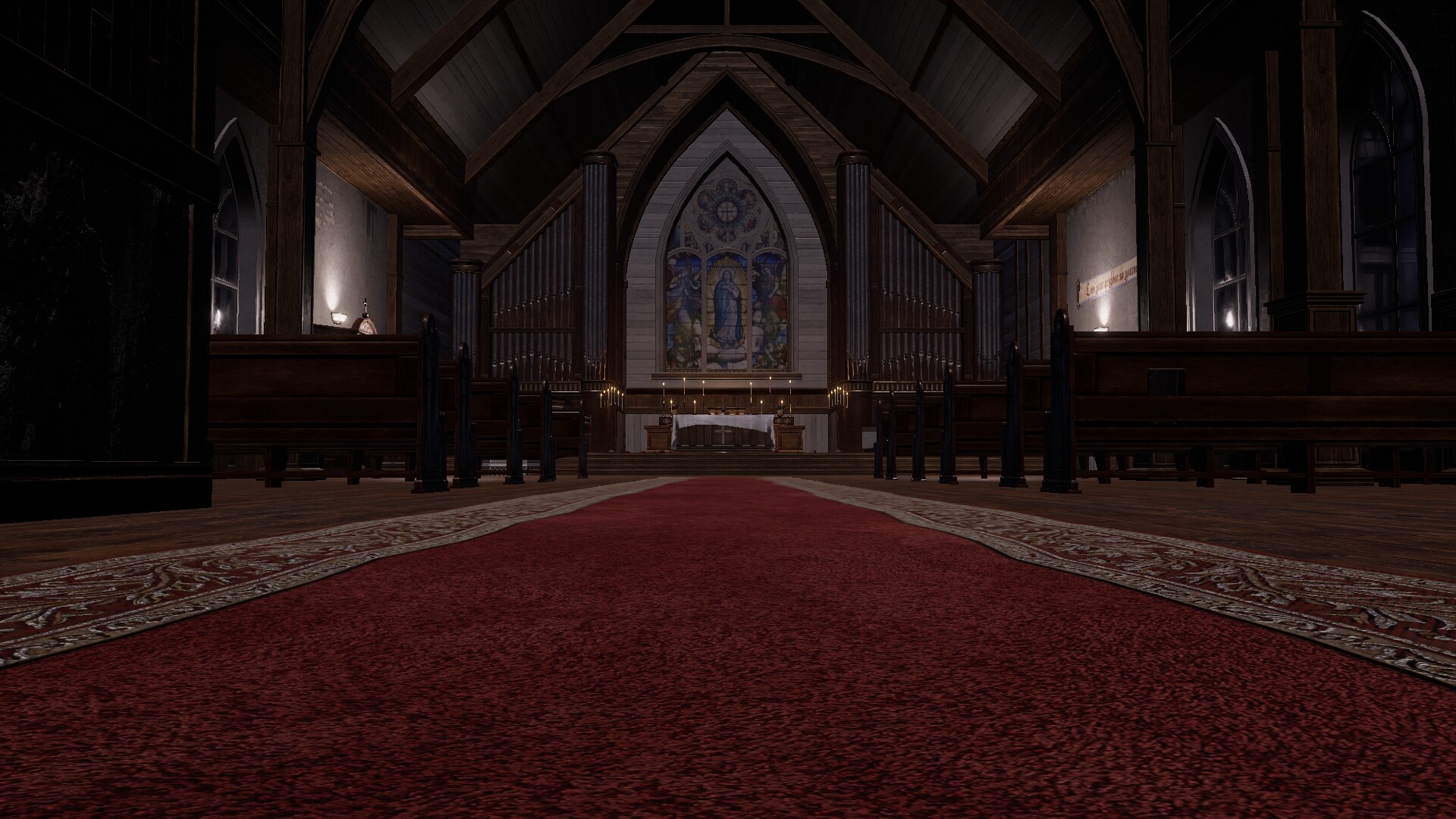
- The atmosphere-first player: you want slow-building dread and an estate that feels “erased” rather than simply empty. Rooms frozen mid-routine and the deliberate absence of photos or names create a psychological mystery rather than jump-scare horror.
- The puzzle-first explorer who also wants story: you enjoy puzzles that directly reveal plot components — once you restore systems or open safes, you get new evidence that reframes the narrative, not just mechanical gates.
How it compares (editorial discovery)
Below is a practical comparison to nearby puzzle/adventure titles so you can decide whether Trace of the Villa fits your tastes. Comparisons focus on genre, atmosphere, puzzle focus, exploration style and pacing.
| Game | Puzzle focus | Atmosphere / tone | Exploration style | Pacing |
|---|---|---|---|---|
| The Room (2014) | Tactile, object-centric safes and mechanical puzzles | Mysterious, intimate, claustrophobic on a small scale | Single-room, focused puzzle object interaction | Compact, puzzle-driven sessions |
| Escape Simulator (2021) | Highly interactive escape-room puzzles, physics and object manipulation | Varied — playful to tense depending on room | Room-to-room set-piece interaction; often cooperative | Fast to moderate; designed for short rooms or custom scenarios |
| Unpacking (2021) | Environmental, item-placement and narrative clue via objects | Quiet, intimate, reflective domestic storytelling | Room-by-room vignette exploration driven by object placement | Deliberate and relaxed; low-pressure |
| Trace of the Villa (2026) | Forensic-style puzzles: encrypted documents, power restoration, safes | Slow-burn suspense, erased identities, mansion mystery | Estate-scale exploration with layered reveals as systems come online | Gradual and investigative; narrative momentum built from evidence |
YouTube discovery
If you want to see trailers or gameplay searches for Trace of the Villa, use this YouTube search path (search results may include official and fan videos): https://www.youtube.com/results?search_query=Trace+of+the+Villa+trailer+gameplay.
Ready to add it to your wishlist? Visit the Steam page:
Disclaimer
All referenced titles and trademarks belong to their respective owners. Comparisons here are editorial discovery only and are not endorsements. Information in this article is drawn from the game’s official Steam data and the provided summaries.
Leave a Reply