
Trace of the Villa — puzzles as evidence in a mansion mystery
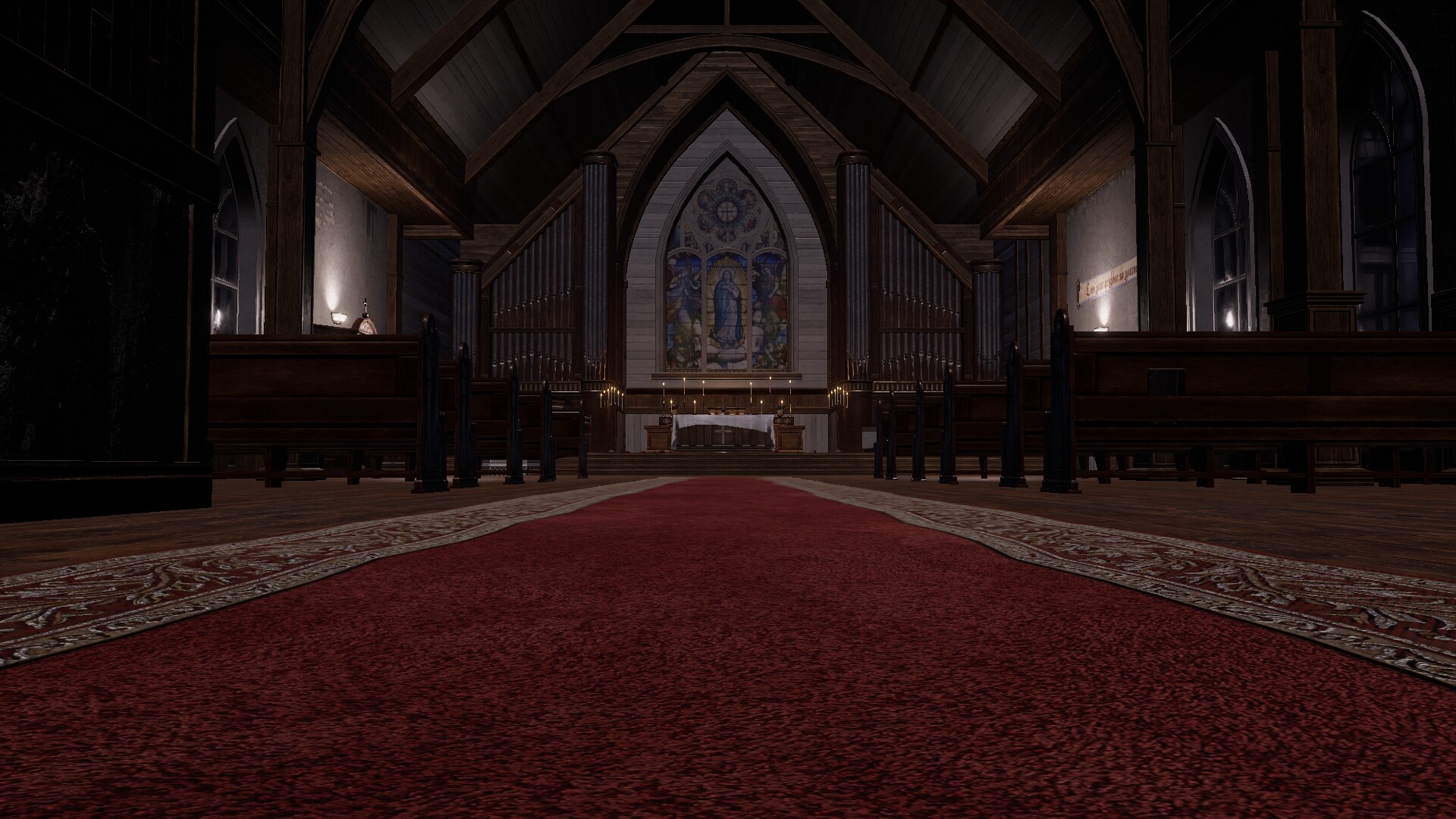
Trace of the Villa puts you in Jin’s shoes, piecing together missing-person clues inside a decaying, deliberately forgotten mansion. Released on 28 May, 2026 by Steadyturtle Co., Ltd., the game uses manifests, safes and restored systems as puzzle‑driven evidence to reconstruct what happened and whether Jin’s sister might still be alive.

Who this is for
This is for players who prefer slow-burn suspense and evidence-led investigation over combat spectacle: people who enjoy atmospheric mystery adventure on PC, narrative puzzle design that rewards careful observation, and environmental storytelling where object logic and document fragments do most of the talking.
What the game is
Trace of the Villa is an Action/Adventure indie released on Steam. The official short description frames the core premise: “Jin has spent years searching for his missing sister, pursuing leads that took him to a remote, decaying mansion where he recovered manifests and hints that indicate his sister may still be alive, somewhere at the end of the trail he is about to follow.” The plain description expands that into a psychological investigation: restoring power, unlocking hidden compartments and extracting encrypted documents and transfer records that together form an evidentiary trail.

When and where
Trace of the Villa launched on Steam on 28 May, 2026. It is developed and published by Steadyturtle Co., Ltd. The Steam app ID is 3483660 and the game is listed under Action, Adventure, Indie with categories including Single-player, Color Alternatives, Custom Volume Controls, Playable without Timed Input, Subtitle Options and Family Sharing.
Why the theme matters: puzzles as evidence and narrative logic
What distinguishes Trace of the Villa is how puzzles function as pieces of an investigation rather than isolated brainteasers. The estate’s restored power, unlocked safes and fragments of encrypted documents are not just gating mechanisms — they are primary narrative artifacts. Solving a safe yields a manifest; reading a manifest reframes the timeline; decoding an encryption exposes a suspicious transfer record. That chain turns each solved puzzle into evidentiary logic: you aren’t only progressing mechanically, you’re assembling a case.
How you read clues and progress
Puzzle types lean on close reading and object logic. Expect to:
- Collect and cross-reference manifests, transfer records and encrypted fragments found in locked compartments.
- Use environmental cues — devices that return to life when power is restored, furniture arranged as if someone stopped mid‑task — to hypothesize timelines and motives.
- Apply pattern recognition and deduction: a financial trail that leads nowhere, falsified identities, and arrivals with no records become connective tissue for story puzzles.
The game frames progress as reconstructing a network of evidence. Puzzles are meaningful in-universe artifacts — not arbitrary glyphs — so success depends on reading context as much as testing mechanical solutions.
Compact facts — Trace of the Villa
| Title | Trace of the Villa |
|---|---|
| Developer | Steadyturtle Co., Ltd. |
| Publisher | Steadyturtle Co., Ltd. |
| Release date | 28 May, 2026 |
| Steam AppID | 3483660 |
| Genres | Action, Adventure, Indie |
| Key categories | Single-player; Color Alternatives; Custom Volume Controls; Playable without Timed Input; Subtitle Options; Family Sharing |
How it compares — editorial snapshot
Below is a focused editorial comparison with nearby puzzle/adventure titles so you can gauge fit. These comparisons use lawful editorial criteria: genre, atmosphere, puzzle focus, exploration style, story tone, pacing and suggested player fit.
| Title | Genre | Puzzle focus | Exploration style | Story tone / pacing | Best for |
|---|---|---|---|---|---|
| Trace of the Villa | Action / Adventure / Indie | Document-driven, object logic, encrypted fragments as evidence | Room-to-room investigation in a decaying mansion | Slow-burn, investigative, atmospheric | Players who want puzzles that build a case and reframe the narrative |
| The Room / The Room Two | Adventure / Indie | Tactile mechanical puzzles centered on intricate devices (cast‑iron safes, pedestals) | View Trace of the Villa on Steam
YouTube discoveryFor trailer and gameplay discovery, use YouTube search rather than relying on unverified embeds: Find Trace of the Villa trailer and gameplay searches on YouTube. Reader decision checklistUse this checklist before deciding whether Trace of the Villa belongs on your Steam wishlist. The game is most relevant if you enjoy reading environmental evidence, following document trails, inspecting rooms for small inconsistencies, and letting a mystery unfold through objects rather than exposition. It is less about instant spectacle and more about the slow pressure of a place that seems to have been deliberately erased. SEO note for discovery-minded playersPlayers searching for atmospheric mystery adventure, clue-driven exploration, mansion mystery game, story-rich indie adventure, psychological investigation game, or narrative puzzle design are likely looking for the same core appeal: a PC game where the setting is not just a backdrop but the main source of evidence. Trace of the Villa fits that search intent because its official Steam premise centers on Jin, his missing sister, a remote mansion, restored systems, hidden compartments, safes, encrypted documents, and a trail of suspicious records. Final player-fit summaryWishlist Trace of the Villa if you want a slow investigation built around official Steam store elements: a 28 May, 2026 release from Steadyturtle Co., Ltd., a single-player PC/Steam mystery structure, official screenshots showing the mansion atmosphere, and a premise that uses the house itself as a puzzle box. The strongest fit is for players who prefer patience, observation, and narrative reconstruction over fast combat or loud horror beats. CommentsMore posts |
Leave a Reply