Trace of the Villa — puzzles as evidence and narrative logic
Trace of the Villa is an atmospheric mystery adventure about a man named Jin who follows a trail of manifests and hints into a remote, decaying mansion; the game foregrounds puzzles that read like evidence, not just obstacles. Released on 28 May, 2026 by Steadyturtle Co., Ltd., it positions investigative puzzle design — encrypted documents, safes and secured systems — as the engine of its story-driven exploration.

Who this is for
This is for players who prefer slow-burn suspense and environmental storytelling, readers of clues over reflex tests, and anyone who enjoys puzzle-adventure games where object logic and documentary fragments form the primary narrative thread. If you prize story puzzles that act as forensic evidence — manifests, transfer records, locked safes and reactivated systems that reveal timelines — Trace of the Villa fits that appetite.
What the game is (official facts)
Trace of the Villa is billed as an Action / Adventure / Indie game developed and published by Steadyturtle Co., Ltd. The protagonist, Jin, has spent years searching for his missing sister; a lead takes him to a property “cut off from the grid” where he recovers manifests and hints suggesting she may still be alive. As Jin restores power and unlocks secured systems, safes and encrypted documents, he uncovers financial trails, falsified identities and evidence of controlled movements. The Steam page frames puzzles as the way the house “begins to reveal what it was hiding.”
When and where
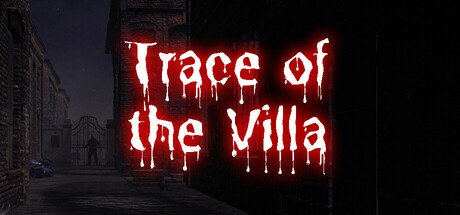
Trace of the Villa released on 28 May, 2026 and is available on Steam for PC. The Steam store page contains screenshots and the official header image embedded above.
Why the theme matters: puzzles as evidence
What separates a story-driven puzzle adventure from a mechanical puzzle romp is how clues act as evidence — not arbitrary keys but shards of a timeline. In Trace of the Villa the official description highlights manifests, encrypted fragments and falsified identities as the kinds of puzzle-matter you piece together. That turns every solved cipher, reopened compartment and restored circuit into an act of interpretation: you are not only unlocking the next door, you are reconstructing who passed through this place and why.
How you read clues and progress
The Steam description explicitly notes restored power bringing “secured systems” back online, safes yielding “fragments of encrypted documents and suspicious transfer records,” and locked doors concealing “hastily secured secrets.” From that language we can infer the game prioritizes investigative tasks framed by object logic — documents imply questions about dates, names and transactions; physical locks and safes require sequential discovery; environmental cues imply timeline reconstruction. Progress is narrative-forward: puzzles yield evidence, evidence refines hypotheses, and hypotheses open new areas to test.

Compact facts — Trace of the Villa
| Title | Trace of the Villa |
|---|---|
| Steam AppID | 3483660 |
| Release date | 28 May, 2026 |
| Developer | Steadyturtle Co., Ltd. |
| Publisher | Steadyturtle Co., Ltd. |
| Genres | Action, Adventure, Indie |
| Key categories | Single-player; Color Alternatives; Custom Volume Controls; Playable without Timed Input; Subtitle Options; Family Sharing |
| Premise (official short) | Jin recovers manifests and hints in a remote, decaying mansion that suggest his missing sister may still be alive. |
How it compares — short editorial table
| Title | Atmosphere | Puzzle focus | Exploration style | Story tone / pacing |
|---|---|---|---|---|
| Trace of the Villa | Decaying mansion, forensic tension | Evidence-driven: manifests, encrypted fragments, safes, secured systems | Single-player, investigative room-to-room reconstruction | Slow-burn, piecing together timelines from objects and documents |
| The Room / The Room Two | Isolated, tactile mystery with an occult edge | Mechanical puzzles on intricate physical devices; object-tactility | Focused single-room-to-room vignettes | Layered, puzzle-led revelations with strong mechanical focus |
| Escape Simulator | Bright, interactive escape-room play | Highly interactive object manipulation, community-made rooms | Room-scale puzzles; often co-op or workshop content | Paced by room completion and player creativity; variable |
| Unpacking | Domestic, reflective and quietly narrative | Item-placement and contextual clue reading about a life | Calm scenes that reveal story through objects | Zen, episodic; narrative revealed through everyday items |
Player scenarios — who should wishlist or skip
- Wishlist: You like mystery games that treat puzzles as documentary evidence and enjoy assembling timelines from paperwork, safes and environmental cues. You prefer single-player pacing and options such as subtitles and accessibility toggles mentioned on the Steam page.
- Consider carefully: You want fast action or competitive multiplayer — Trace of the Villa is presented as a single-player investigative adventure, not a multiplayer or high-action arena.
- Skip if: You prefer purely mechanical, reflex-driven puzzles without a narrative focus; the Steam description emphasizes story-uncovering through puzzles rather than standalone brain-teasers.
YouTube discovery
If you want trailer or gameplay clips, search YouTube for Trace of the Villa using this discovery path (results may include trailers and gameplay from multiple creators): YouTube search for Trace of the Villa trailer & gameplay.
Final notes and how it fits in the puzzle-adventure space
Trace of the Villa leans into puzzle design as a method of proof: puzzles are not merely gates but fragments that corroborate or contradict narrative hypotheses. For players who value environmental storytelling, psychological investigation and object logic — where reading clues is indistinguishable from reading a case file — the Steam page indicates this title aims to reward careful attention to evidence and sequence.
View Trace of the Villa on Steam
References: Trace of the Villa and quoted premise appear on the game’s Steam store page. Other titles referenced (The Room series, Escape Simulator, Unpacking) are used for editorial comparison only. Referenced titles and trademarks belong to their respective owners; comparisons are editorial discovery, not endorsement.
Leave a Reply