
Trace of the Villa: when puzzles act as evidence in a mansion mystery
Trace of the Villa frames its puzzles as fragments of a crime scene: each solved lock and decrypted manifest is treated like evidence that advances both investigation and character. Released on 28 May, 2026 by Steadyturtle Co., Ltd., the game leans into environmental storytelling and clue-driven exploration to build a slow-burn, narrative puzzle experience.

What Trace of the Villa is
Trace of the Villa is an action-adventure indie on Steam where the protagonist, Jin, follows leads to a remote, decaying mansion and recovers manifests and hints that suggest his missing sister may still be alive. The mansion is depicted as deliberately erased — rooms left mid-routine, locked doors, and secured systems that only reveal themselves after Jin restores power. Puzzle solutions unlock fragments of encrypted documents, safes, and other records that together map a concealed operation: falsified identities, transfer records, and movements masked behind obfuscation. The game is listed on Steam under Action, Adventure, Indie and includes categories such as Single-player, Color Alternatives, Custom Volume Controls, Playable without Timed Input, Subtitle Options, and Family Sharing.
Compact facts
| Title | Trace of the Villa |
|---|---|
| Steam appid | 3483660 |
| Release date | 28 May, 2026 |
| Developer / Publisher | Steadyturtle Co., Ltd. |
| Genres | Action, Adventure, Indie |
| Steam categories | Single-player; Color Alternatives; Custom Volume Controls; Playable without Timed Input; Subtitle Options; Family Sharing |
| Premise (short) | Jin searches a remote mansion for clues indicating his missing sister may still be alive. |
Who this is for
- Players who favor atmospheric mystery adventure and psychological investigation over fast combat.
- Those who enjoy environmental storytelling where objects and documents do most of the exposition.
- Puzzle-adventure fans who like clue-reading, layered evidence, and puzzles that change narrative understanding rather than only reopening doors.
- Steam players who prefer single-player, subtitle options, and accessibility settings like color alternatives and no timed input.
When and where
Trace of the Villa launched on Steam on 28 May, 2026. The Steam store page consolidates developer/publisher info and visual assets; you can find it on Steam at the link below.
Why the theme matters: puzzles as evidence and narrative logic
Many puzzle-adventure games present riddles as obstacles; Trace of the Villa treats puzzles as primary narrative artifacts. Manifests, encrypted fragments, suspicious transfer records and falsified identities function like collected evidence. Solving a puzzle doesn’t just open a pathway — it recontextualizes what you know about the mansion and the people who passed through it. That design choice ties cognitive reward (figuring out object logic) to emotional payoff (adding meaning to Jin’s search), which can make the investigation feel consequential instead of mechanical.
How you read clues and progress
Progression is driven by attentive inspection and pattern inference. The official description notes several concrete beats you’ll encounter: restoring power to bring systems back online; opening hidden compartments; cracking safes to recover encrypted documents; and assembling transfer records and manifests that point toward larger operations. Object logic — the relationship between an item’s physical use and the information it hides — is the primary tool for inference. Expect to extract meaning from small traces: a ledger entry, a partially burnt note, a locked terminal that only springs to life once power is returned. Each recovered fragment serves as a piece of evidence that refines possible narratives about who inhabited the house and why identities were removed.
Comparison: how Trace of the Villa fits among other puzzle-focused titles
| Title | Genre / Tone | Puzzle focus | Exploration style | Pacing |
|---|---|---|---|---|
| Trace of the Villa | Action / Adventure / Indie — mansion mystery, investigative | Clue-driven, document and evidence puzzles that alter narrative context | Single-location mansion; environmental storytelling, locked rooms revealed over time | Slow-burn; methodical unraveling tied to story beats |
| The Room | Adventure / Indie — intimate, tactile mystery | Mechanical puzzle boxes with physical interactions and layered mechanisms | Focused, single-object locations; puzzle-box exploration | Paced around puzzle-box solves; concentrated sessions |
| Escape Simulator | Adventure / Casual / Indie — interactive escape rooms | Tactile, object interaction; often physics-based, community-made rooms | Multiple themed rooms; high interactivity and item manipulation | Variable — can be brisk or extended depending on room |
| Unpacking | Casual / Indie — zen, domestic storytelling | Spatial, “fit-and-read” puzzles where objects reveal life-story details | Domestic spaces across a timeline; narrative told through possessions | Relaxed, episodic; story revealed through item placement |
Use this comparison to judge fit: if you want mechanical puzzle-boxes and tactile micro-puzzles, The Room and Escape Simulator skew that way. If you prefer narrative revealed via possessions and quiet moments, Unpacking is closer in tone though much gentler. Trace of the Villa sits between those axes: it uses objects and documents as forensic clues that change the narrative picture as you progress.
Player scenarios — who will get the most out of Trace of the Villa
- The methodical investigator. You read every note, pore over manifests, and treat safes and terminals as pieces of a puzzle chain. Trace of the Villa’s evidence-driven design rewards that patience.
- The atmospheric explorer. You value environment and mood; the mansion’s “erased” history and restored systems create a slow reveal that suits a measured tempo.
- The narrative-first puzzler. You want puzzles that shift story understanding rather than only unlock new rooms. The game’s decrypted documents and falsified records function as story beats.
- Not a fit if… you prefer fast action, heavy combat, or procedurally generated levels — Trace of the Villa is framed around a single, deliberate investigation.
Screenshots
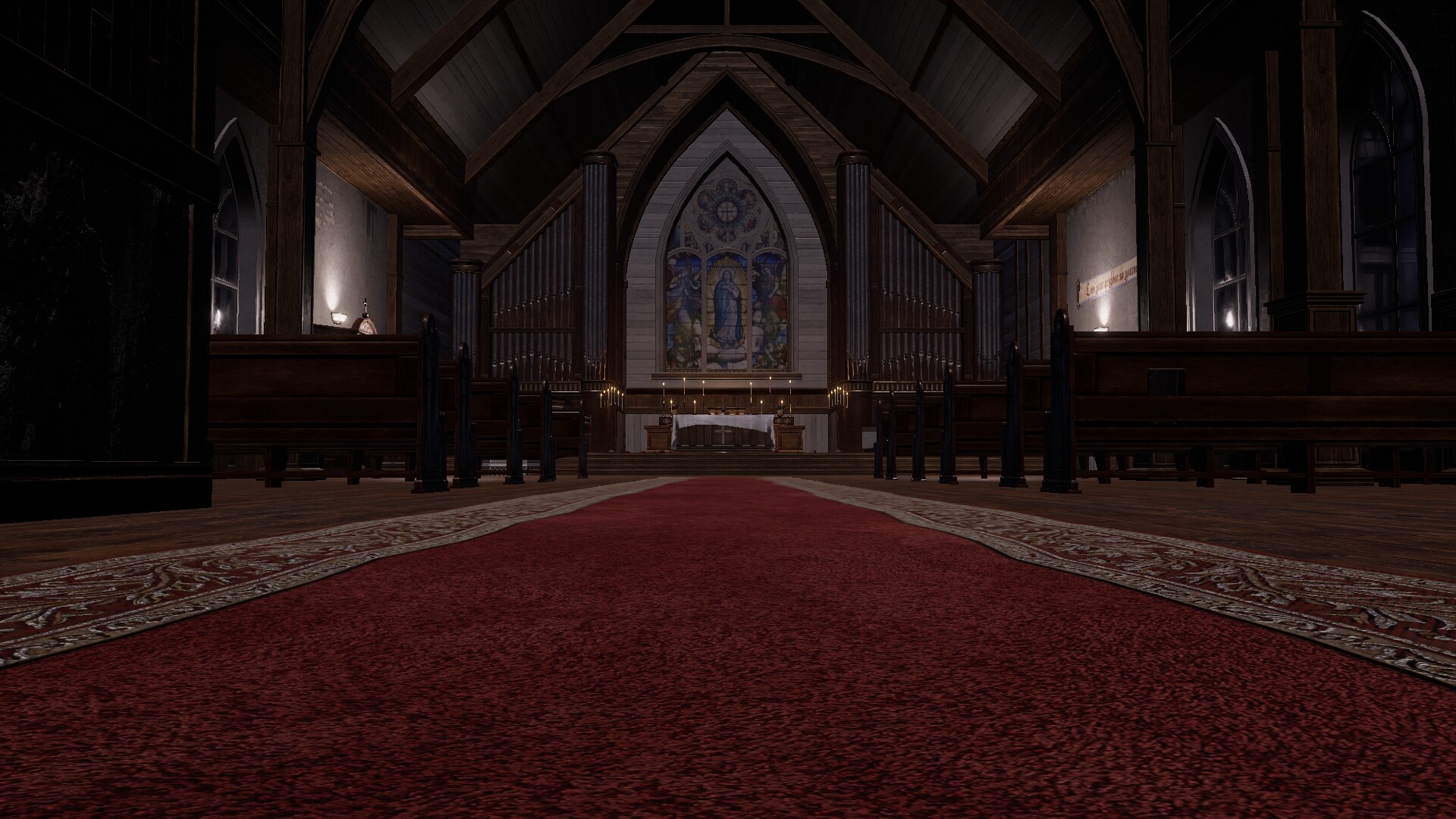
 View Trace of the Villa on Steam
YouTube discovery
For trailer and gameplay discovery, use YouTube search rather than relying on unverified embeds: Find Trace of the Villa trailer and gameplay searches on YouTube.
Leave a Reply