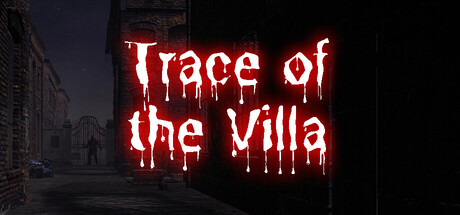
Trace of the Villa: where locked-room thinking meets mansion-scale clue chains
Trace of the Villa is a story-first, mansion-set mystery on Steam about Jin’s search for his missing sister — a slow-burn, clue-driven investigation built around restoring power, unlocking hidden compartments, and following financial and identity traces. Released 28 May, 2026 by Steadyturtle Co., Ltd., it leans into environmental reading and chained puzzles that reward careful observation over quick reflexes.

Who, what, when, where, why and how — compacted
Who it is for
Players who enjoy atmospheric mystery adventure on PC: people who prefer environmental storytelling, slow-burn suspense, narrative puzzle design, and non-action-driven investigation. This is aimed at single-player Steam players who like locked-room thinking — linking small discoveries into longer clue chains rather than repeated combat or timed reflex sections.
What the game is
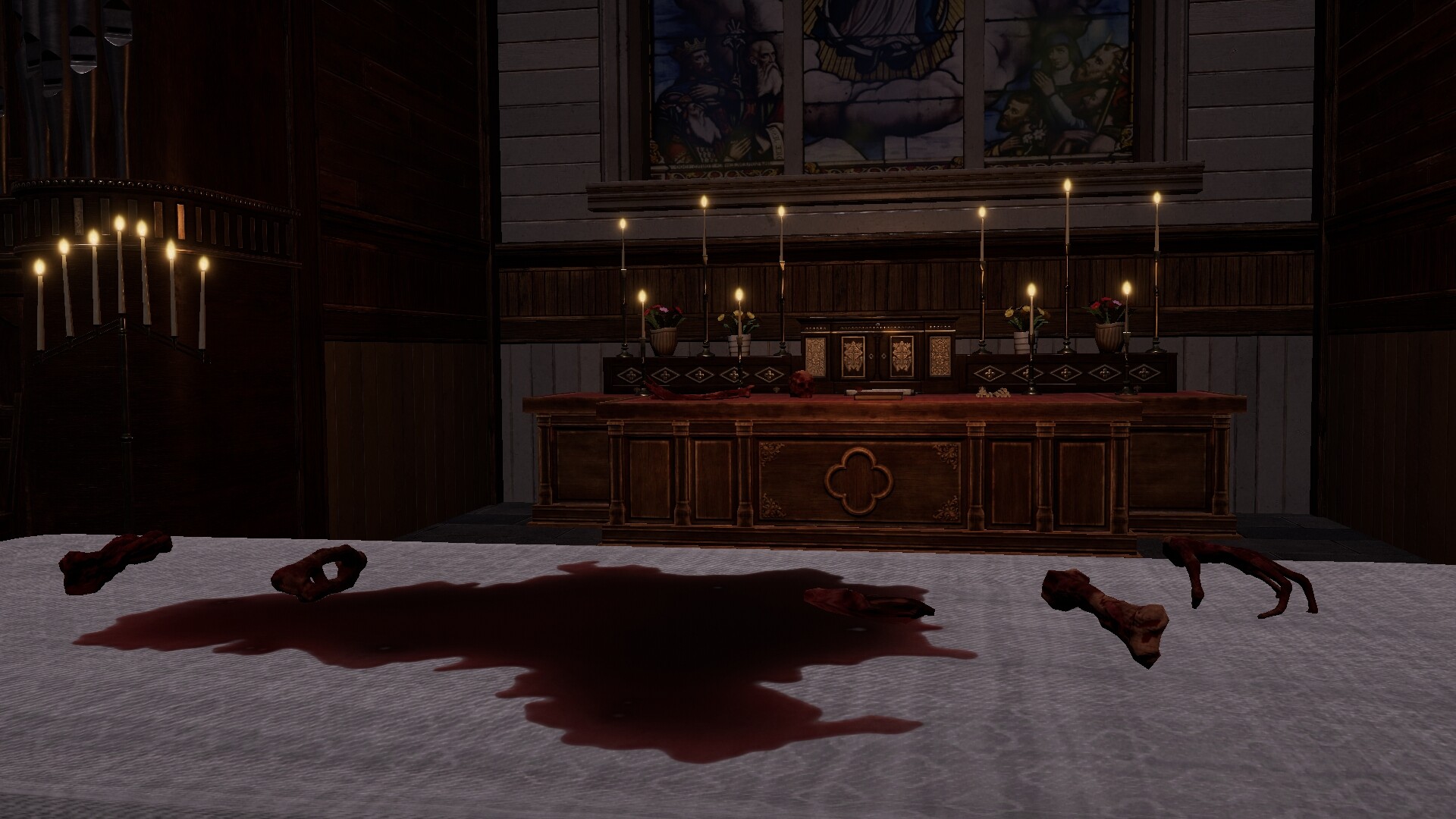
Trace of the Villa puts you in Jin’s shoes, following a lead to a remote, decaying mansion. The estate appears deliberately erased: rooms furnished but devoid of photos or names, locked doors hiding secured secrets, and traces of a larger operation. Restoring power and solving puzzles reveals manifests, encrypted documents, and financial records that extend the mystery beyond individual rooms.
When and where
Trace of the Villa released on Steam on 28 May, 2026. It’s developed and published by Steadyturtle Co., Ltd. — available on the Steam store for PC; see the official Steam page for system requirements and purchase options.
Why the mansion theme matters
Mansion settings concentrate clues, props, and atmosphere into a contained space, which suits locked-room logic: every object can plausibly feed into a chain of evidence. In Trace of the Villa the mansion isn’t just a backdrop — its infrastructure (power, safes, secured systems) is gameable material. That architectural focus lets designers tie small, readable details to far-reaching narrative implications — encrypted papers leading to transfer records, a restored light revealing a previously unreachable compartment, a pattern of arrivals without records.
How you progress — clue chains and environmental reading
According to the official Steam description, progression is driven by restoring systems and examining the scene: power restores secured systems, safes yield fragments of documents, and individual objects and manifests connect into a timeline. That signals a design where puzzles unlock narrative evidence rather than only opening new areas — think chained puzzle outcomes that change the house’s state and reveal more context. The categories listed on Steam (Single-player; Playable without Timed Input; Subtitle Options; Color Alternatives; Custom Volume Controls; Family Sharing) suggest a measured, accessibility-aware pace rather than fast-twitch mechanics.
Quick facts
| Title | Trace of the Villa |
|---|---|
| Steam App ID | 3483660 |
| Release date | 28 May, 2026 |
| Developer / Publisher | Steadyturtle Co., Ltd. |
| Genres | Action, Adventure, Indie |
| Categories (selected) | Single-player; Playable without Timed Input; Subtitle Options; Color Alternatives; Custom Volume Controls; Family Sharing |
| Official short description | Jin has spent years searching for his missing sister, pursuing leads that took him to a remote, decaying mansion where he recovered manifests and hints that indicate his sister may still be alive, somewhere at the end of the trail he is about to follow. |
| Store link | Trace of the Villa on Steam |
Player scenarios — who should wishlist it
- Environmental detectives: You want to study set dressing, restore systems, and follow evidence across rooms. If you enjoy extracting narrative from objects and connecting documents into a timeline, this fits.
- Slow-burn story players: You prefer a measured reveal — atmosphere and implication over jump scares and action. The mansion’s “erased identities” premise supports a gradual unspooling of secrets.
- Puzzle players who dislike timers: The Steam category “Playable without Timed Input” indicates the focus is on thought and inspection rather than speed runs, suitable for players who like to pause, re-examine, and backtrack through clue chains.
How Trace of the Villa compares (editorial discovery)
Below is a concise editorial comparison to orient readers searching Steam for mansion mystery or escape-room-style experiences. This is comparison for fit — not a ranking.
| Title | Release date | Genre / Focus | Atmosphere & Tone | Puzzle / Exploration Style | Player fit |
|---|---|---|---|---|---|
| Trace of the Villa | 28 May, 2026 | Action / Adventure / Indie | Decaying mansion, erased identities, slow-burn suspense | Restoring systems, safes, documents → chained revelations; non-timed | Players who like narrative-led investigation and environmental storytelling |
| The Room | 28 Jul, 2014 | Adventure / Indie | Mysterious, intimate mechanical puzzles | Focused single-chamber puzzle boxes and tactile mechanisms | Players who enjoy tightly controlled, object-based puzzles |
| The Room Two | 5 Jul, 2016 | Adventure / Indie | Cryptic, layered exploration with mechanical oddities | Linked puzzle structures across locations, object manipulation | Those who liked The Room and want larger scope with similar puzzle logic |
| Escape Simulator | 19 Oct, 2021 | Adventure / Casual / Indie / Simulation | Interactive, often playful escape-room environments | Highly interactive rooms, physics, community-made content, co-op options | Players seeking hands-on, modular escape-room play and community levels |

YouTube discovery
If you want to see trailers or gameplay clips, search YouTube using this query path (results may include trailers or gameplay uploads; verify official sources if needed): Trace of the Villa trailer & gameplay on YouTube.
View Trace of the Villa on Steam
Editorial note and disclaimer
This article uses official Steam app data and developer-published descriptions for Trace of the Villa (Steadyturtle Co., Ltd.) and comparative titles. Comparisons are editorial discovery: based on genre, atmosphere, puzzle focus, exploration style, story tone, and pacing.
Leave a Reply