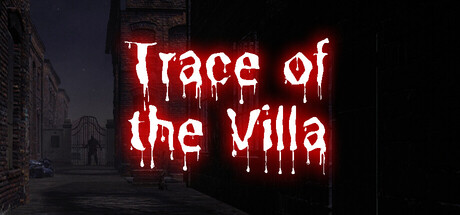
Trace of the Villa — an atmospheric mystery adventure built around a missing-person hunt
Trace of the Villa puts you in Jin’s shoes: years of searching for a missing sister finally funnel into a decaying, off-the-grid mansion packed with manifests, locked systems, and the suggestion that she may still be alive. Developed and published by Steadyturtle Co., Ltd., the game released on 28 May, 2026 as an action-adventure indie on Steam.

Who this is for
- Players who prioritize character motivation and missing-person stakes over jump scares — the protagonist’s search for his sister is the central driver.
- Fans of slow-burn, clue-driven exploration and environmental storytelling rather than fast-paced action roguelikes.
- People who enjoy puzzle and systems-based revelations: the mansion restores power and reveals secured systems, safes, and encrypted fragments as you progress.
What the game is (short)
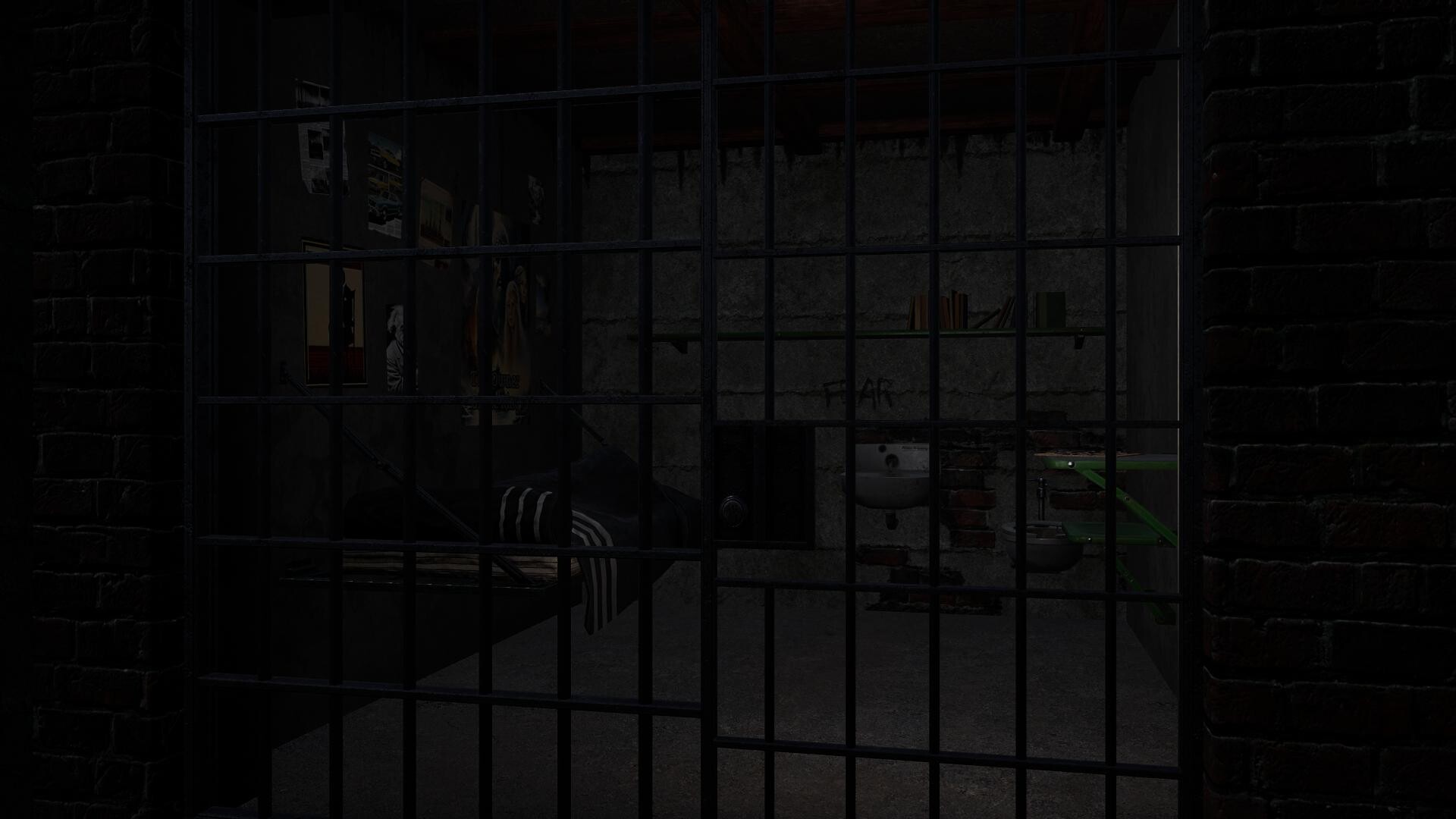
Trace of the Villa is an Action/Adventure/Indie title that centers on Jin’s investigation of a deliberately forgotten mansion. Officially described on Steam, the house feels “less abandoned than erased,” with rooms frozen mid-routine and evidence of an organized operation hidden behind falsified identities and suspicious transfer records.
| Title | Trace of the Villa |
|---|---|
| Steam AppID | 3483660 |
| Release date | 28 May, 2026 |
| Developer / Publisher | Steadyturtle Co., Ltd. |
| Genres | Action, Adventure, Indie |
| Categories | Single-player, Color Alternatives, Custom Volume Controls, Playable without Timed Input, Subtitle Options, Family Sharing |
When and where — Steam context
Trace of the Villa launched on Steam on 28 May, 2026. The Steam page lists standard accessibility options such as subtitle support and color alternatives, and the store visuals show a moody mansion setting and UI that responds as you restore power to the estate.
Why the theme matters: character motivation and missing-person stakes
What sets Trace of the Villa apart from more abstract mystery adventures is the concreteness of the stake: Jin isn’t curious about secrets in the abstract — he’s chasing a real, missing person. That personal stake alters how clues feel; every encrypted fragment and falsified identity is a potential lead rather than just worldbuilding. If you respond to character-driven narrative engines where progression is motivated by reconnecting with a life (or uncovering what happened to it), this is the kind of slow-burn tension that will hold your interest.

How you read clues and progress
The official description emphasises systems and reconstruction: restoring power brings secured systems back online, hidden compartments unlock, and safes yield encrypted documents and transfer records. Progression, as presented by the developer, is built on piecing together manifests and financial/personal traces to uncover a larger operation masked by falsified identities and arrivals without records. Expect environmental puzzles, inventory or document-based clues, and a narrative puzzle design where revelation is mechanical as well as interpretative.
Player scenarios — who should wishlist it
- Pick this up if you prize story-rich adventure where every puzzle ties directly into the protagonist’s motive to find a missing person.
- Skip or wait if you primarily want action-first pacing; promotion and categories show action elements, but the marketing emphasises investigation and environmental storytelling.
- Wishlist if you want a game with accessibility options (subtitles, color alternatives) and single-player, narrative-focused play without forced timed inputs.
How it compares — quick editorial table
| Title | Genre / Tone | Puzzle & Exploration Focus | Pacing / Player Fit |
|---|---|---|---|
| Trace of the Villa | Action / Adventure / Indie — atmospheric mansion mystery | Clue-driven, systems restoration, encrypted documents and manifests | Slow-burn investigation framed by a personal missing-person stake |
| Inscryption | Adventure / Indie / Strategy — card-based, psychological | Puzzle and meta-puzzle via card mechanics and escape-room elements | Tighter, more mechanic-driven; appeals to players who like emergent meta-secrets |
| Outer Wilds | Action / Adventure — open-world mystery, time-loop | Exploration-led clues across a solar system; discovery by observation and iteration | Expansive, curiosity-driven; best for players who enjoy open-ended pacing |
| Journey | Adventure / Indie — contemplative exploration | Environmental storytelling with minimalist puzzle elements | Meditative and short-form; suited to players seeking mood over explicit clues |
| The Medium | Adventure — psychological investigation, dual-realm exploration | Story puzzles and atmospheric investigation with a narrative of trauma and secrets | Linear, cinematic pacing; fits players who like story-driven horror and dual-realm mechanics |
Deciding checklist — does it fit your tastes?
- Do you want narrative stakes that feel personal rather than cosmic? (Yes → Trace of the Villa)
- Do you prefer discovery through system interactions
Steam page
View Trace of the Villa on Steam
YouTube discovery
For trailer and gameplay discovery, use YouTube search rather than relying on unverified embeds: Find Trace of the Villa trailer and gameplay searches on YouTube.
Leave a Reply