
Trace of the Villa: an investigation-driven mansion mystery about a missing sister
Jin has followed cold leads for years; a decay-rimmed estate finally gives him manifests and encrypted fragments that suggest his sister might still be alive. Trace of the Villa (Steadyturtle Co., Ltd.) frames that personal stake inside a slow-burn, clue-driven exploration of a deliberately forgotten mansion.

Who should wishlist this on Steam?
If you prefer story-rich indie adventures where character motivation and missing-person stakes drive exploration, Trace of the Villa is aimed at you. Players who like atmospheric mystery adventure, environmental storytelling, and puzzles that reveal a human-shaped backstory (rather than abstract meta‑systems) will find the premise appealing. The game’s Steam metadata lists it under Action, Adventure, Indie and marks it Single-player with accessibility options such as Color Alternatives and Subtitle Options — useful signals for PC players deciding whether the presentation and controls fit their setup.
What the game is — the contained premise and tone
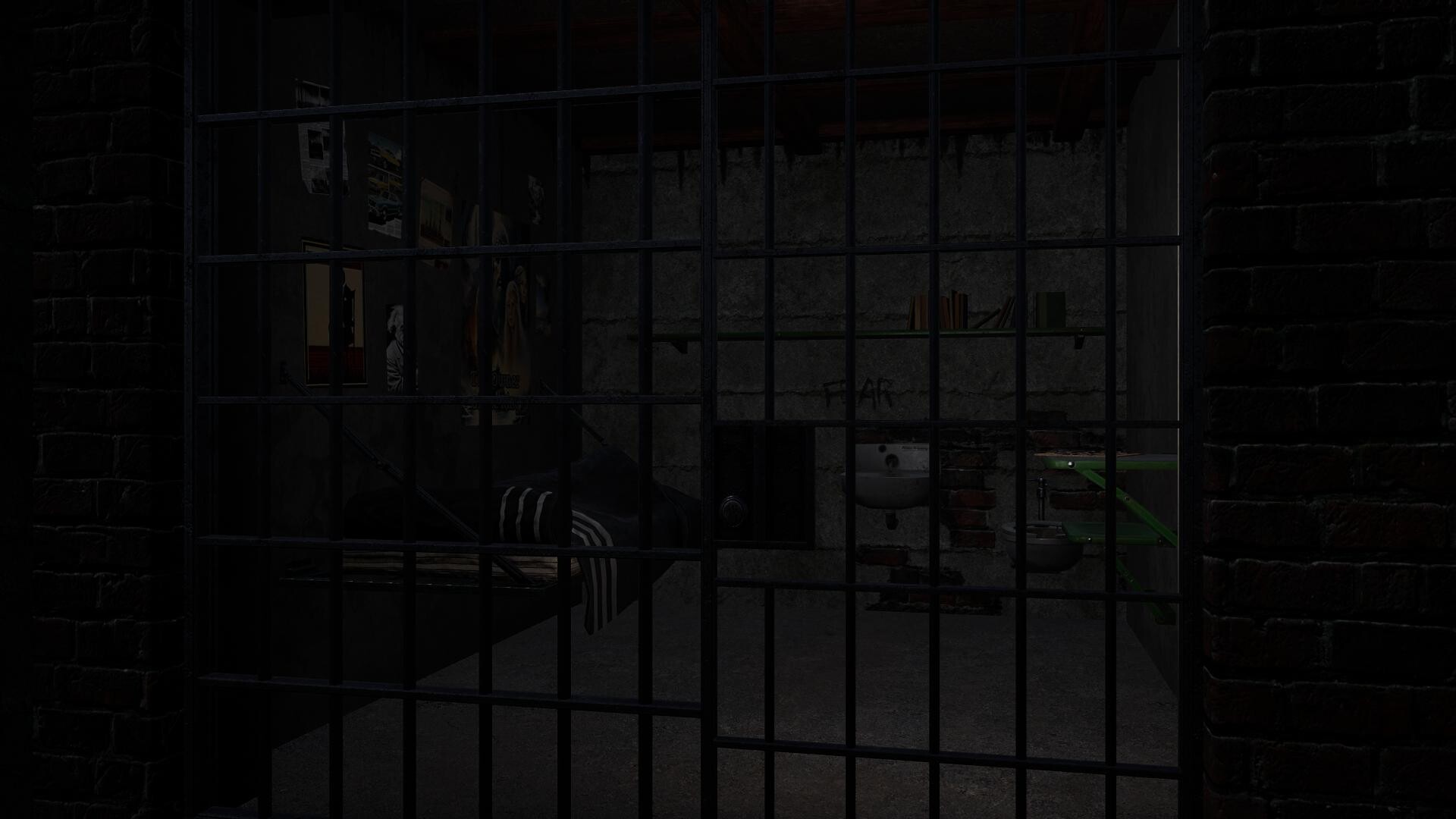
Officially: Jin has spent years searching for his missing sister. A lead takes him to a remote, decaying mansion where manifests and hints indicate she may still be alive somewhere at the end of the trail he is about to follow. The estate reads less like an abandoned house and more like a site erased: furnishings left mid‑routine, locked doors concealing hastily secured secrets, and personal effects with names and photos stripped away. When Jin restores power, secured systems come back online and fragments of encrypted documents surface, exposing falsified identities and suspicious transfer records. Each discovery layers the mystery rather than resolving it immediately.
When and where — Steam availability
Trace of the Villa released on 28 May, 2026. It’s published and developed by Steadyturtle Co., Ltd. on Steam. The store page lists typical PC accessibility and comfort options (Custom Volume Controls, Playable without Timed Input, Family Sharing) that matter for players who prioritize comfort features in narrative exploration games.
Why the theme matters: character motivation and missing-person stakes
What separates a haunted-mansion vignette from a character-driven investigation is motive: Jin’s decades-long search anchors every opened drawer, restored circuit, and decrypted file. The stakes aren’t a generic “discover what happened”; they’re specific and personal — someone Jin knows may still be alive. That angle shifts the narrative tone toward careful, empathetic reconstruction of identity and movement: you’re not just solving environmental puzzles for weirdness, you’re following a trail of people whose records were intentionally scrubbed.
How you progress — reading clues and revealing backstory
The Steam description highlights mechanics that emphasize restoration and document-led discovery: restoring power brings systems back online; safes and hidden compartments yield fragments of encrypted documents and suspicious transfer records; manifests provide routes and timelines. Progress appears to be clue-driven — piecing together a timeline from physical traces and recovered data — which favors players who enjoy methodical reconstruction and layered reveals over combat spectacle.

Compact facts: Trace of the Villa
| Title | Trace of the Villa |
|---|---|
| Steam AppID | 3483660 |
| Developer / Publisher | Steadyturtle Co., Ltd. |
| Release Date | 28 May, 2026 |
| Genres | Action, Adventure, Indie |
| Key Steam Categories | Single-player, Color Alternatives, Custom Volume Controls, Playable without Timed Input, Subtitle Options, Family Sharing |
| Official short description | Jin has spent years searching for his missing sister, pursuing leads that took him to a remote, decaying mansion where he recovered manifests and hints that indicate his sister may still be alive, somewhere at the end of the trail he is about to follow. |
How Trace of the Villa compares to nearby story-rich mysteries
Below is a compact editorial comparison to help readers decide whether Trace of the Villa matches their tastes. Comparisons focus on genre and narrative style, not claims of superiority.
| Title | Shared traits | Primary differences | Who might prefer it |
|---|---|---|---|
| Inscryption | Strong atmosphere; puzzle-led narrative; indie experimental tone | Inscryption blends cardgame mechanics, meta-horror and roguelike systems — gameplay is card-focused rather than investigation/fact‑reconstruction. | Fans of unsettling atmosphere who also enjoy mechanical surprises; if you want investigation grounded in physical spaces rather than card systems, Trace is closer. |
| Outer Wilds | Exploration-driven mystery; environmental storytelling; piecing timelines together | Outer Wilds is open-world and cosmic in scale with time-loop mechanics; Trace of the Villa centers a single estate and a personal missing-person narrative. | Players who like thoughtful, patient discovery will like both; choose Trace if you prefer a contained, human-scale investigation over planetary-scale wonder. |
| Journey | Strongly atmospheric, focused on mood and discovery | Journey emphasizes moving through a landscape with minimalist storytelling and nonverbal cues; Trace relies on documents, manifests, and decrypted records to convey plot. | If you value emotional, environmental design and subtle storytelling, both will appeal—Trace adds explicit investigative beats and character motive. |
| The Forgotten City | Narrative puzzle focus; moral stakes tied to story reveals | The Forgotten City uses a time-loop narrative and dialogue-based moral puzzles; Trace appears to foreground archival evidence, systems restoration, and encrypted documents rather than social/ethical trial mechanics. | Players who like unraveling a timeline and moral implications via puzzles — choose The Forgotten City for time-loop ethics, Trace for document-led reconstruction and personal stakes. |
| The Medium | Psychological investigation; dual-realm atmosphere | The Medium alternates real and spirit realms as a core mechanic; Trace’s revealed systems and manifests suggest grounded investigation of erased identities rather than parallel-reality mechanics. | Prefer psychological horror with supernatural mechanics? Try The Medium. Prefer grounded archival mystery with missing-person stakes? Trace is the leaner fit. |
Player scenarios — who will enjoy Trace of the Villa
- The patient detective: You like to follow a trail of physical clues, restore systems, and decrypt documents to reconstruct a timeline and motive.
- The atmosphere-first player: You value environmental storytelling and a suffocating, decayed mansion that feels like it contains deliberately erased lives.
- The character-motivation reader: You want character stakes (a missing sister and Jin’s obsession) to anchor exploration; narrative beats matter more than spectacle.
- The accessibility-minded
Steam page
View Trace of the Villa on Steam
YouTube discovery
For trailer and gameplay discovery, use YouTube search rather than relying on unverified embeds: Find Trace of the Villa trailer and gameplay searches on YouTube.
Leave a Reply