
Trace of the Villa — a mansion mystery built around a missing-person investigation
Trace of the Villa drops players into a decaying, off‑grid estate where Jin follows manifests and encrypted traces that hint his missing sister may still be alive. The game, from Steadyturtle Co., Ltd., promises an atmospheric mystery adventure focused on clue‑driven exploration and environmental storytelling when it released on 28 May, 2026.

Quick facts
| Title | Trace of the Villa |
|---|---|
| Steam appid | 3483660 |
| Release date | 28 May, 2026 |
| Developer / Publisher | Steadyturtle Co., Ltd. |
| Genres | Action, Adventure, Indie |
| Categories | Single-player; Color Alternatives; Custom Volume Controls; Playable without Timed Input; Subtitle Options; Family Sharing |
| Steam reviews | No user reviews (as listed on Steam) |
Who is this for?
If you play for character motivation and missing‑person stakes rather than jump scares, Trace of the Villa targets you. The protagonist, Jin, is driven by a personal search for his missing sister — that single, human stake shapes the game’s pacing and investigative tone. Players who prefer slow‑burn suspense and narrative puzzle design over constant action will find the setup appealing.
What the game is
Officially described on Steam, Trace of the Villa puts Jin inside a deliberately forgotten mansion where rooms feel “less abandoned than erased.” The house yields manifests, encrypted documents, and suspicious transfer records as systems are restored — the evidence suggests controlled movements of people and falsified identities. Expect an atmospheric mystery adventure that mixes exploration with psychological investigation and environmental storytelling.
When and where
Trace of the Villa released on Steam on 28 May, 2026. It is distributed by the developer/publisher, Steadyturtle Co., Ltd., and listed under Action, Adventure, and Indie on its Steam store page.
Why the theme matters
Missing‑person narratives give the player a constant, emotional throughline: every unlocked safe, rerouted power grid, or recovered manifest potentially narrows Jin’s trail. That personal urgency changes how exploration feels — you’re not only solving abstract puzzles, you’re reconstructing an erased life. For players drawn to story‑rich adventure and mansion mysteries, that focus on human motive often delivers stronger payoff than a purely mechanical puzzle loop.
How you read clues and progress
Progress in Trace of the Villa relies on restoring systems, unlocking compartments, and piecing together financial and identity fragments recovered from the site. The Steam description highlights restoring power to the estate as a key act that makes the mansion reveal itself: secured systems come back online, hidden compartments unlock, and safes yield fragments of encrypted documents. In short, exploration is clue‑driven — environmental cues and recovered documents are the main currency for unraveling the backstory.

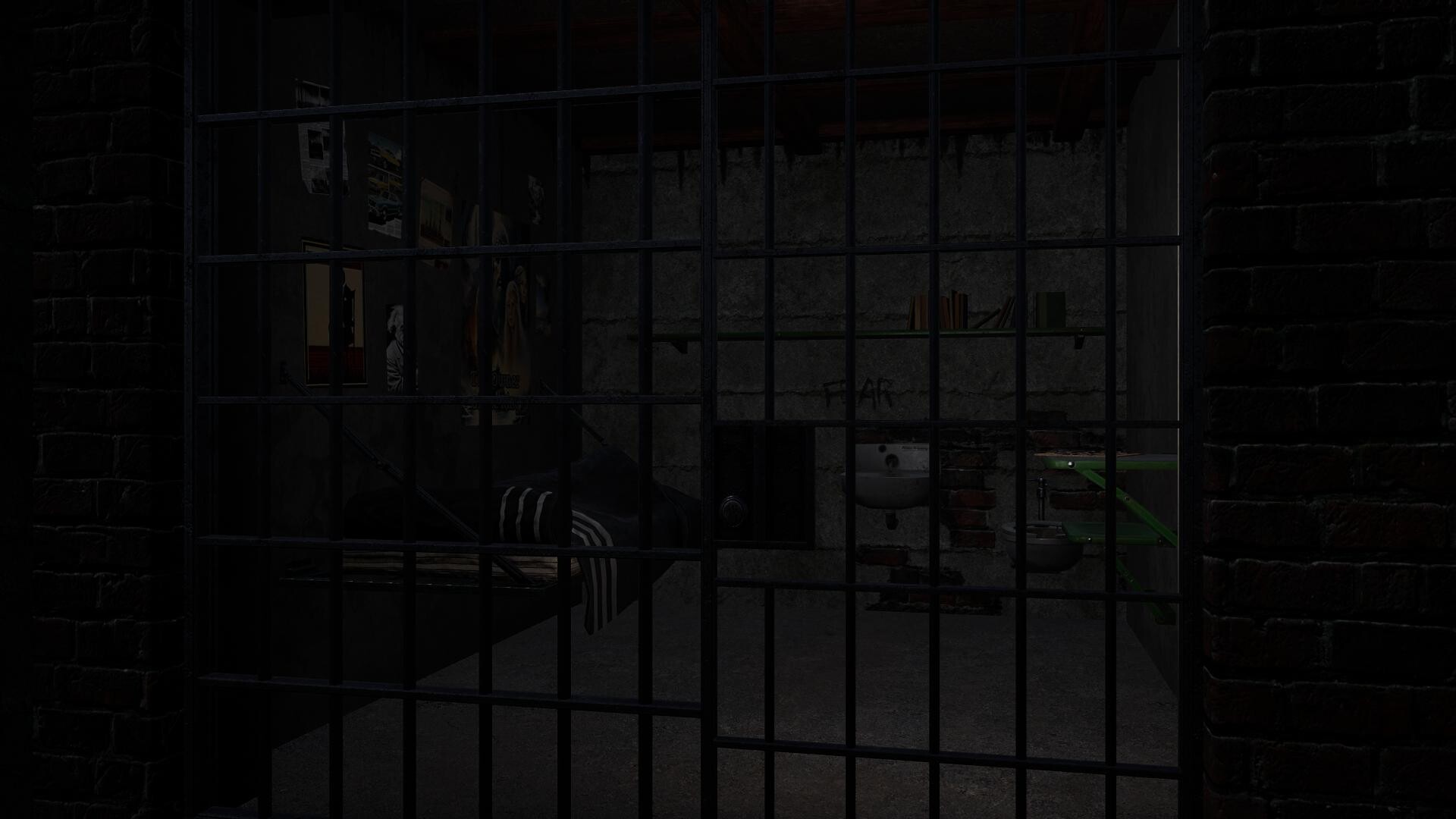
Player scenarios — who will enjoy Trace of the Villa
- The slow‑burn investigator: You enjoy methodical exploration, reading documents, and connecting small clues into a larger conspiracy. The emotional weight of a missing sibling provides sustained motive for that kind of play.
- The atmospheric puzzle player: You like narrative puzzle design where solving environmental puzzles reveals story elements rather than just gating progress. Restoring power and unlocking safes fits that preference.
- The tone‑first adventurer: You prioritize mood — mansion mystery, psychological investigation, and a house that feels “erased” will be the main draw rather than combat spectacle.
How it compares — editorial discovery table
| Title | Shared axes | Where they differ |
|---|---|---|
| Inscryption | Atmospheric, mystery‑forward, indie | Card‑based meta design and psychological twists vs. Trace’s mansion exploration and clue reconstruction. |
| Outer Wilds | Exploration-driven storytelling, discovery rewards | Open‑world solar system and time loop mechanics vs. enclosed mansion, document‑driven investigation and missing‑person stakes. |
| Journey | Strong mood, minimalist narrative cues | Abstract, poetic exploration vs. Trace’s concrete clue‑driven unraveling of identities and records. |
| The Forgotten City | Narrative mystery, puzzle elements influencing story outcomes | Time‑loop moral puzzles and branching outcomes vs. Trace’s investigative single‑protagonist, evidence‑based reconstruction. |
| The Medium | Psychological investigation, dual‑reality atmosphere | Supernatural medium mechanics vs. Trace’s grounded missing‑person and falsified identity themes. |
YouTube discovery
If you want trailers or gameplay clips, search for Trace of the Villa on YouTube: YouTube search: Trace of the Villa trailer & gameplay. (Use this as a discovery path; specific videos should be verified as official on their pages.)
Decide if it fits your shelf
Wishlist Trace of the Villa if you want a PC mystery game that privileges character motivation and a missing‑person throughline, and if you enjoy environmental storytelling where reading recovered documents and reactivated systems gradually reveal a hidden operation. If you prefer multi‑layered mechanical systems, open worlds, or card/meta twists, the comparison table above will help match alternatives to your taste.
Leave a Reply