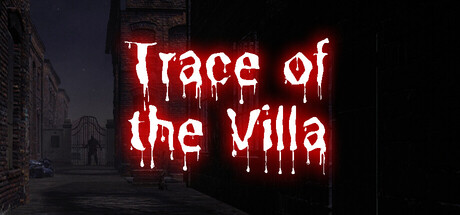
Trace of the Villa — a slow-burn mansion mystery about one man’s search for answers
After years chasing vanished leads, Jin follows a fresh trail to a remote, decaying mansion and discovers manifests, encrypted fragments, and the uneasy sense that identities were deliberately erased. Trace of the Villa frames that investigation in a story-first action-adventure package from Steadyturtle Co., Ltd., released on Steam on 28 May, 2026.

Who: the player this game suits
If you prioritize story-led curiosity, atmospheric mystery, and slow-burn reveal over twitch reflexes, Trace of the Villa is aimed at you. The Steam page positions Jin’s search for a missing sister as a personal, investigative throughline—players who enjoy narrative puzzle design, environmental storytelling, and piecing together backstory from documents and recovered systems will likely find the premise compelling.
What: the core narrative and structure
Trace of the Villa centers on Jin, who has spent years looking for his missing sister. A lead brings him to a property “cut off from the grid and deliberately forgotten.” Inside, rooms look like occupants vanished in mid-routine; identities and names appear removed. Restoring power and unlocking secured systems reveals fragments—manifests, encrypted documents, suspicious transfer records—that together suggest the mansion was part of a larger, controlled operation. The official Steam description emphasizes investigation, restoring systems, and layered clue-driven exploration rather than combat-heavy spectacle.
When & where: Steam release details
Trace of the Villa released on Steam on 28 May, 2026. It’s developed and published by Steadyturtle Co., Ltd., and listed on Steam as an Action / Adventure / Indie title with single-player and accessibility-related categories such as Color Alternatives, Custom Volume Controls, Playable without Timed Input, and Subtitle Options.
Why the theme matters: missing-person stakes and character motivation
Games that hinge on missing-person stakes often trade abstract mystery for intimate urgency; here, the investigation is personal. Jin’s motivation—finding his sister—gives otherwise forensic acts (reading transfer logs, decrypting manifests, powering back a dead estate) real emotional weight. That want-to-know drives forward exploration: each unlocked system or found record reframes the prior discovery and raises the stakes from “what happened here” to “what happened to her.”
How progression works: reading clues and unlocking the mansion’s story
The Steam description explicitly describes a puzzle-and-evidence loop: restoring power brings systems online; hidden compartments and safes yield fragments of encrypted documents; manifests and suspicious records map movements that were masked. Progress appears to come from environmental interaction and investigation—solve a puzzle or reactivate a subsystem, and new narrative breadcrumbs materialize. That makes the game’s forward momentum depend on your willingness to examine small details and assemble timelines from scattered pieces.

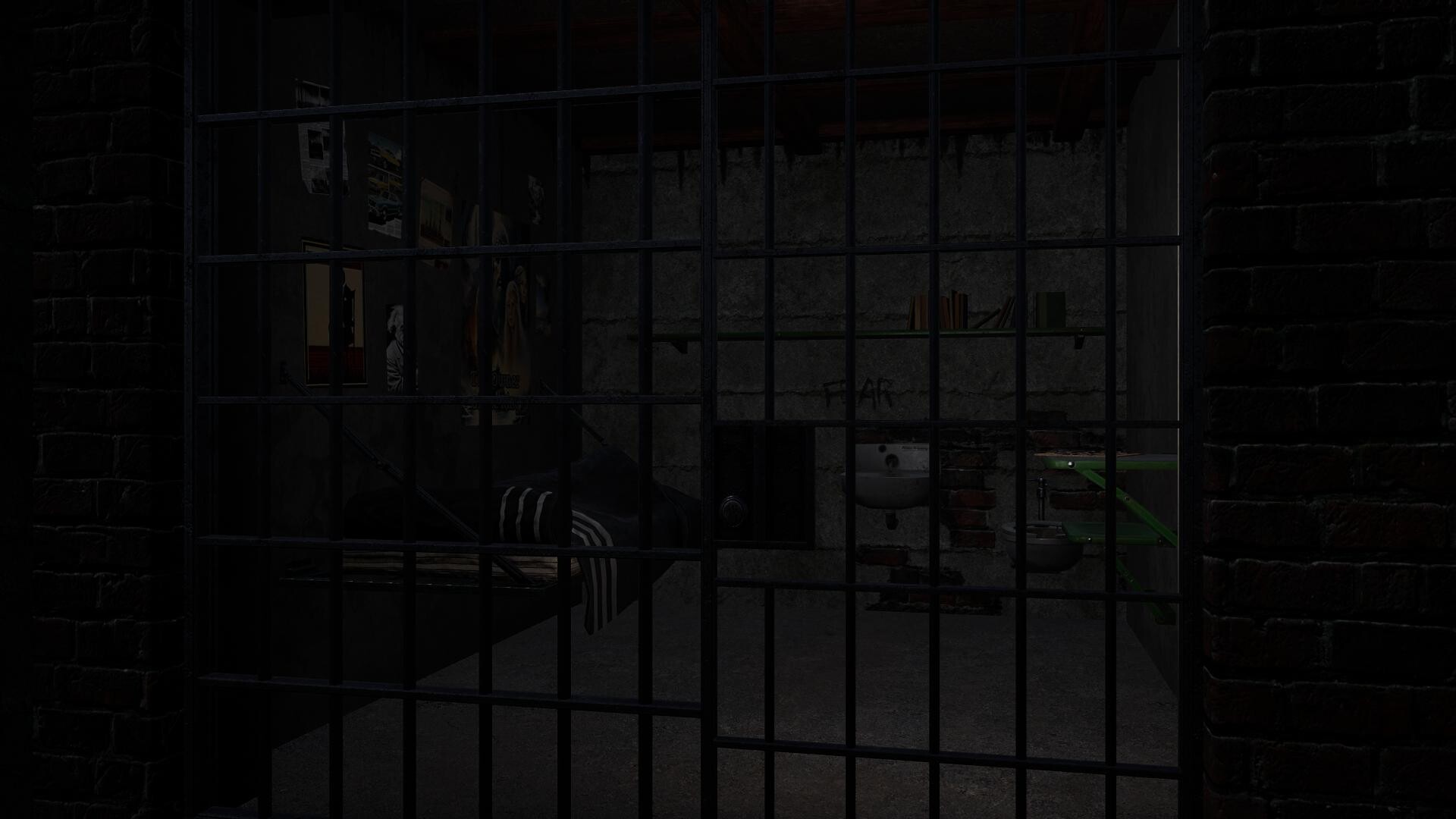
Compact facts for Trace of the Villa
| Title | Trace of the Villa |
|---|---|
| Steam App ID | 3483660 |
| Release date | 28 May, 2026 |
| Developer / Publisher | Steadyturtle Co., Ltd. |
| Genres | Action, Adventure, Indie |
| Notable Steam categories | Single-player; Color Alternatives; Custom Volume Controls; Playable without Timed Input; Subtitle Options; Family Sharing |
| Short premise (official) | Jin has spent years searching for his missing sister; a lead to a decaying mansion yields manifests and hints that she may still be alive. |
How Trace of the Villa compares to nearby narrative mysteries
Below is a focused editorial comparison on tone, puzzle style, and player fit using publicly available descriptors of each title.
| Title | Primary focus | Story tone / atmosphere | Puzzle / exploration style | Player fit |
|---|---|---|---|---|
| Trace of the Villa | Investigation of a decaying mansion; missing-person stakes | Slow-burn, unsettled, forensic | Clue-driven, systems restoration, document pieces | Players who like environmental storytelling and emotional, clue-driven mystery |
| Inscryption | Card-based odyssey mixing puzzles and meta-horror | Dark, psychological, subversive | Deckbuilding integrated with escape-room puzzles | Players wanting genre-blending horror and structural surprises |
| Outer Wilds | Open-world cosmic mystery about a trapped solar system | Curious, melancholic, exploratory | Nonlinear exploration of environments to reconstruct timeline | Players who prefer open puzzles and emergent discovery |
| Journey | Atmospheric traversal and exploration | Poetic, minimal, evocative | Navigation and environmental reading rather than document puzzles | Players prioritizing mood and short, contemplative experiences |
| The Forgotten City | Narrative-driven mystery with time-loop mechanics | Moral, investigative, high-consequence | Dialogue and systemic puzzles within a structured loop | Players who like narrative dilemmas and consequence-driven choices |
| The Medium | Psychological horror exploring two realities | Disturbing, introspective, supernatural | Puzzle-solving across parallel realms | Players drawn to psychological tension and dual-reality mechanics |
Editorial note: these comparisons focus on atmosphere, pacing, and investigative emphasis rather than platform or sales claims.
Player scenarios
Steam page
View Trace of the Villa on Steam
YouTube discovery
For trailer and gameplay discovery, use YouTube search rather than relying on unverified embeds: Find Trace of the Villa trailer and gameplay searches on YouTube.
Leave a Reply