
Trace of the Villa — a slow-burn mansion mystery driven by missing-person stakes
Trace of the Villa puts you in Jin’s shoes: years of searching for a missing sister lead him to a remote, decaying mansion where recovered manifests and hints suggest she might still be alive. The game frames investigation as personal urgency—environmental puzzles, locked-away records, and systems brought back online all push a story that asks who people were and why their identities were erased.

Quick facts
| Title | Trace of the Villa |
|---|---|
| Steam appid | 3483660 |
| Release date | 28 May, 2026 |
| Developer / Publisher | Steadyturtle Co., Ltd. |
| Genres | Action, Adventure, Indie |
| Categories | Single-player; Color Alternatives; Custom Volume Controls; Playable without Timed Input; Subtitle Options; Family Sharing |
| Premise (official) | Jin has spent years searching for his missing sister, pursuing leads that took him to a remote, decaying mansion where he recovered manifests and hints that indicate his sister may still be alive, somewhere at the end of the trail he is about to follow. |
| Steam store | Trace of the Villa on Steam |
What the game is — structure and tone
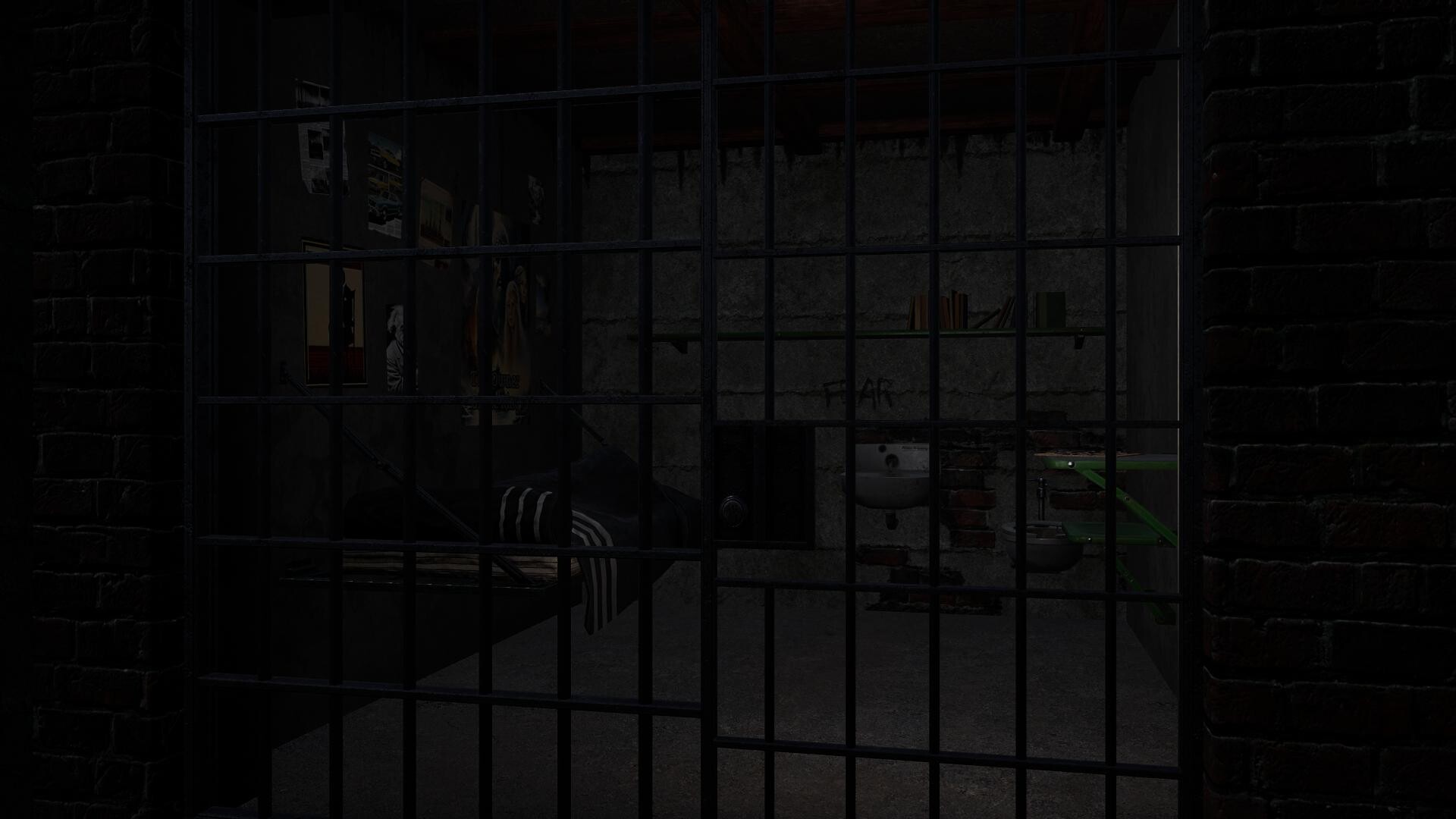
Trace of the Villa is presented as an atmospheric mystery adventure that leans on environmental storytelling and investigative pacing. The official description shows the progression: what begins as a routine search becomes intensely personal as Jin restores power to the estate, gets secured systems running again, unlocks hidden compartments and safes, and recovers fragments of encrypted documents, suspicious transfer records, and manifests. The house feels “less abandoned than erased”—furnished rooms, missing photos and names, and movements masked by falsified identities create a steady, anxious curiosity rather than shock-driven horror.

Who should wishlist this
- Players who want a narrative grounded in missing-person stakes and character motivation rather than jump-scare horror.
- Fans of clue-driven exploration and environmental puzzles where reading the house is how you learn the backstory.
- People who prefer slow-burn suspense and puzzle-led reveals: restoring power, decrypting documents, and tracing falsified identities are central beats.
- Players who need accessibility options like subtitles, custom volume, color alternatives, or the ability to play without timed input—these are listed in the Steam categories.
When and where — Steam context
Trace of the Villa released on Steam on 28 May, 2026. The Steam page lists Steadyturtle Co., Ltd. as both developer and publisher. As of the provided Steam data, there are no user reviews posted on the public summary (No user reviews).
Why the missing-person theme matters here
What separates a generic haunted-mansion setup from a story-rich investigation is motive and consequence. The official description centers the protagonist’s motivation—Jin’s years-long search—and that creates concrete stakes: every recovered manifest or transfer record could be proof of life or a dead end. The narrative structure implied by the description is iterative: you discover fragments, re-contextualize existing clues, and the mansion’s quiet erasures force you to reconstruct identity from objects, accounts, and secured systems. That makes curiosity feel urgent instead of decorative.
How you progress — reading clues and pacing
The official text emphasizes systems coming back online and hidden compartments opening after Jin restores power. Expect progression to hinge on three linked actions:
- Explore and gather physical clues (manifests, personal effects).
- Reactivate estate systems to access locked records and puzzles.
- Decrypt or interpret fragments—financial trails, falsified identities, encrypted documents—that point the trail onward.
This is less about reflex or timed inputs and more about patient reconstruction: the Steam categories include “Playable without Timed Input,” which aligns with a measured investigative rhythm.
Player scenarios — who will enjoy the pacing and approach
- Evening investigator: You play with headphones and notes on a desk, preferring to piece together a narrative from documents and room layouts.
- The methodical puzzle fan: You welcome systems-based puzzles (power, safes, encrypted files) and a reward loop where each solved puzzle reveals a new contextual clue.
- The story-first player: You prize character motivation and missing-person stakes—if Jin’s search drives your curiosity, the game’s design supports that through escalating factual evidence rather than overt exposition.
- The accessibility-minded player: You want subtitle options and customizable audio/visual settings to focus on reading and absorbing the mystery at your pace.
How it compares to nearby story-rich mysteries
Below is an editorial comparison focused on atmosphere, puzzle emphasis, exploration style, and pacing to help you decide whether Trace of the Villa matches your tastes.
| Title | Shared elements | Key difference for players |
|---|---|---|
| Inscryption | Psychological tone; layered secrets; puzzle-driven reveals | Inscryption blends card-based mechanics with meta-horror and surprising structural twists; Trace of the Villa stays grounded in environmental investigation and estate systems rather than card/roguelike mechanics. |
| Outer Wilds | Mystery-led exploration; discovery through environment | Outer Wilds is an open, time-loop solar mystery built around discovery at planetary scale; Trace of the Villa focuses on a confined mansion and identity-based clues, favoring document and system puzzles over large-scale physics exploration. |
| Journey | Atmospheric, slow-burn exploration; mood-driven narrative | Journey is minimal and wordless, emphasizing emotional travel; Trace of the Villa is clue-heavy and investigative, with explicit documents and records that drive plot and motive. |
| The Forgotten City | Narrative mystery, ethical stakes, puzzle-solving to reveal truth | The Forgotten City centers on time-loop mechanics and social puzzles; Trace of the Villa is a mansion-based investigation emphasizing recovered records, falsified identities, and the concrete search for a missing person. |
| The Medium | Psychological investigation; parallel-realms atmosphere | The Medium uses dual-reality mechanics and spirit-realm encounters; Trace of the Villa appears to use realistic estate systems and forensic document work to reconstruct erased identities rather than paranormal mechanics. |
Leave a Reply