
Trace of the Villa — a missing‑person mystery wrapped in a decaying mansion
Trace of the Villa stars Jin, a protagonist driven by years of searching for his missing sister; a single lead brings him to a remote, deliberately forgotten mansion where manifests and fragments suggest she may still be alive. The game leans on clue‑driven exploration, environmental storytelling, and investigative puzzles as it peels back layers of a concealed operation.

Who this article is for: PC players on Steam who prefer story‑rich indie adventures where the stakes are personal, the environment does the storytelling, and progress depends on reading documents, restoring systems, and piecing together encrypted fragments rather than brute combat or pure action setpieces.
Facts at a glance
| Title | Trace of the Villa |
|---|---|
| Steam App ID | 3483660 |
| Release date | 28 May, 2026 |
| Developer | Steadyturtle Co., Ltd. |
| Publisher | Steadyturtle Co., Ltd. |
| Genres | Action, Adventure, Indie |
| Key Steam categories | Single‑player; Color Alternatives; Custom Volume Controls; Playable without Timed Input; Subtitle Options; Family Sharing |
| Short premise | Jin has spent years searching for his missing sister; a lead points to a decaying mansion where recovered manifests hint she may still be alive. |
What the game is
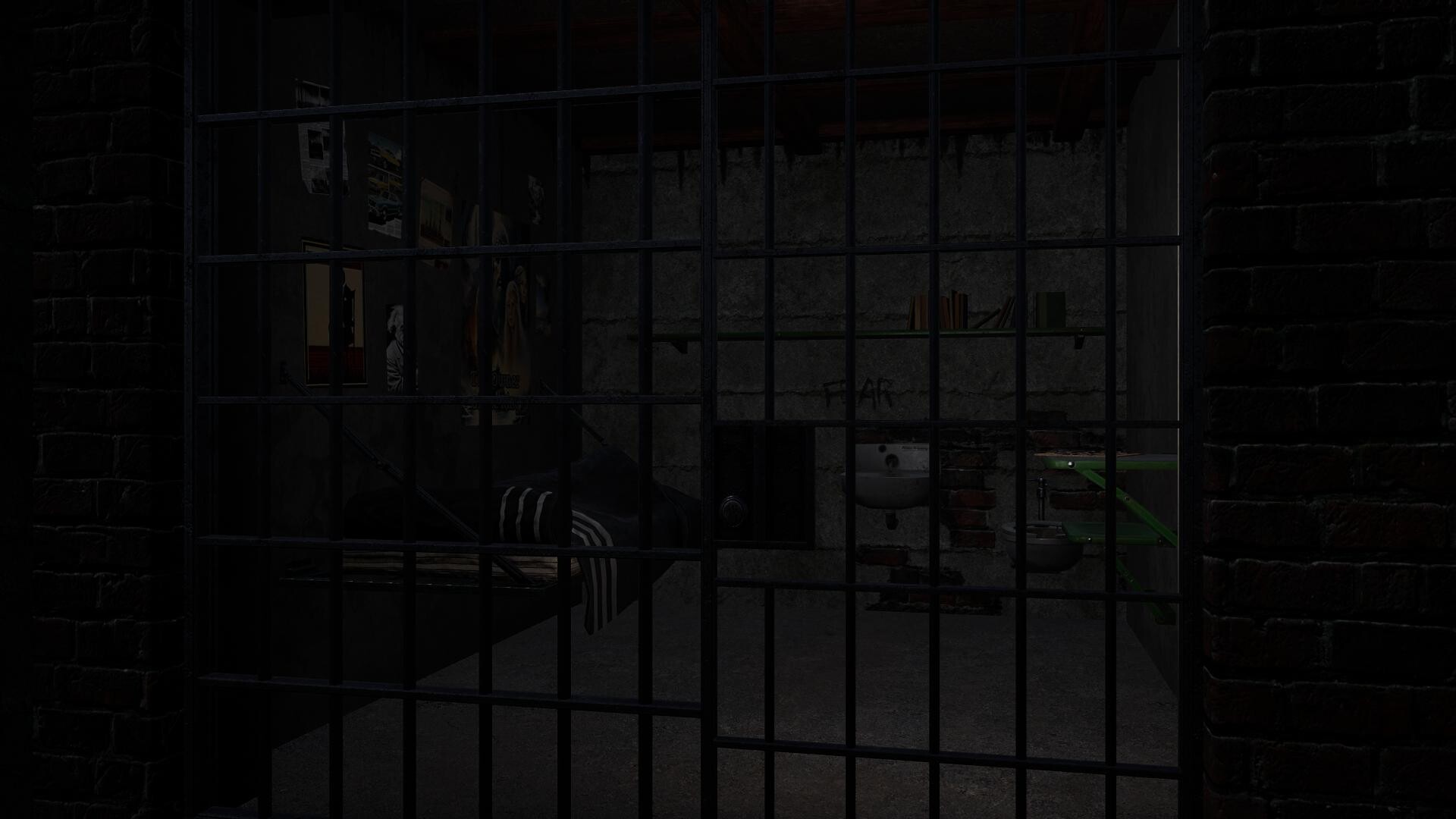
Trace of the Villa is pitched as a narrative‑forward mystery set in a property “cut off from the grid” and “deliberately forgotten.” According to the Steam description, the mansion contains furnished rooms frozen mid‑routine, locked doors, no photographs or names, and deliberately erased identities. The house reacts when Jin restores power: secured systems wake, hidden compartments open, safes yield fragments of encrypted documents and suspicious transfer records — each solved puzzle opening a new layer of the story.

When and where
Trace of the Villa launched on Steam on 28 May, 2026. It is a PC release listed under Action, Adventure, and Indie on its Steam page; developer and publisher are both Steadyturtle Co., Ltd.
Why the theme matters — character motivation and stakes
The narrative hook is straightforward and personal: Jin’s years‑long search for a missing sister turns a routine lead into a high‑stakes investigation. The official description emphasizes missing‑person stakes and erased identities — that combination shifts the mystery from abstract puzzle solving into a moral, emotional search. Players who want consequences and personal motivation behind every uncovered document will likely respond to this setup.
How you progress: reading clues, unlocking systems, and piecing a timeline
Progress appears to be built around investigative actions rather than time pressure or reflex tests: restoring power to the estate triggers locked systems and hidden compartments, safes yield encrypted fragments, and financial traces and falsified identities form a puzzle web. The Steam description makes it clear the player uncovers a “carefully concealed operation” by following trails of manifests, transfer records, and secured data — a structure that rewards methodical note‑taking and pattern recognition.
Who should wishlist this
- Players who prefer slow‑burn suspense and environmental storytelling over combat‑heavy action.
- Fans of narrative puzzle design that uses documents, encrypted fragments, and system restorations as primary clues.
- Anyone drawn to missing‑person stakes and character motivation that make every recovered detail feel personal.
- Those who value accessibility options: Trace of the Villa lists subtitle options, custom volume controls, color alternatives, and being playable without timed input.
Player scenarios
Scenario A — You keep notebooks while you play: You enjoy transcribing manifest entries, cross‑referencing names, and mapping a timeline. Trace of the Villa’s focus on manifests and encrypted documents will reward that habit.
Scenario B — You like atmospheric investigation: If you want a mansion that feels “erased” rather than just dusty, and you value the mood that slow revelations create, this environment is designed for that mood.
Scenario C — You want systems as puzzles: The progression hook of restoring power, reactivating secured systems, and opening hidden compartments is for players who enjoy gating story beats behind environmental or systemic interactions rather than straightforward fetch quests.
How it compares — a compact editorial table
| Title | Genre / Focus | Atmosphere / Tone | Puzzle / Exploration | Pacing / Player fit |
|---|---|---|---|---|
| Trace of the Villa | Action / Adventure / Indie — missing‑person investigation | Decaying mansion, erased identities, personal stakes | Clue-driven: manifests, encrypted fragments, system reactivation | Slow‑burn, investigative; suited to methodical players |
| Inscryption | Adventure / Indie / Strategy — card‑based odyssey | Inky, psychological horror | Escape‑room style puzzles blended with deckbuilding | Claustrophobic and meta; for players who like surprises and layered design |
| Outer Wilds | Action / Adventure — open world mystery | Curious, exploratory, discovery‑driven | Celestial puzzles and environmental clues across an open system | Exploratory and patient; suited to players who enjoy systemic mysteries |
| Journey | Adventure / Indie — contemplative exploration | Ancient, mysterious, lyrical | Environmental navigation and visual storytelling | Quiet, emotional pacing; for players seeking mood over explanation |
| The Forgotten City | Adventure / Indie / RPG — time loop narrative | Classical, investigative, high‑concept | Dialogue and consequence-driven puzzles that loop | Focused on moral choices and narrative puzzles; suitable for players who like branching investigation |
| The Medium | Adventure — psychological horror | Dual‑realm, eerie, trauma‑inflected | Exploration that leverages parallel worlds to solve puzzles | Slow to mid paced; for players who enjoy psychological tone and dual‑reality mechanics |
Leave a Reply