
Trace of the Villa: why quiet tension, environmental dread, and unsettling rooms matter more than cheap shocks
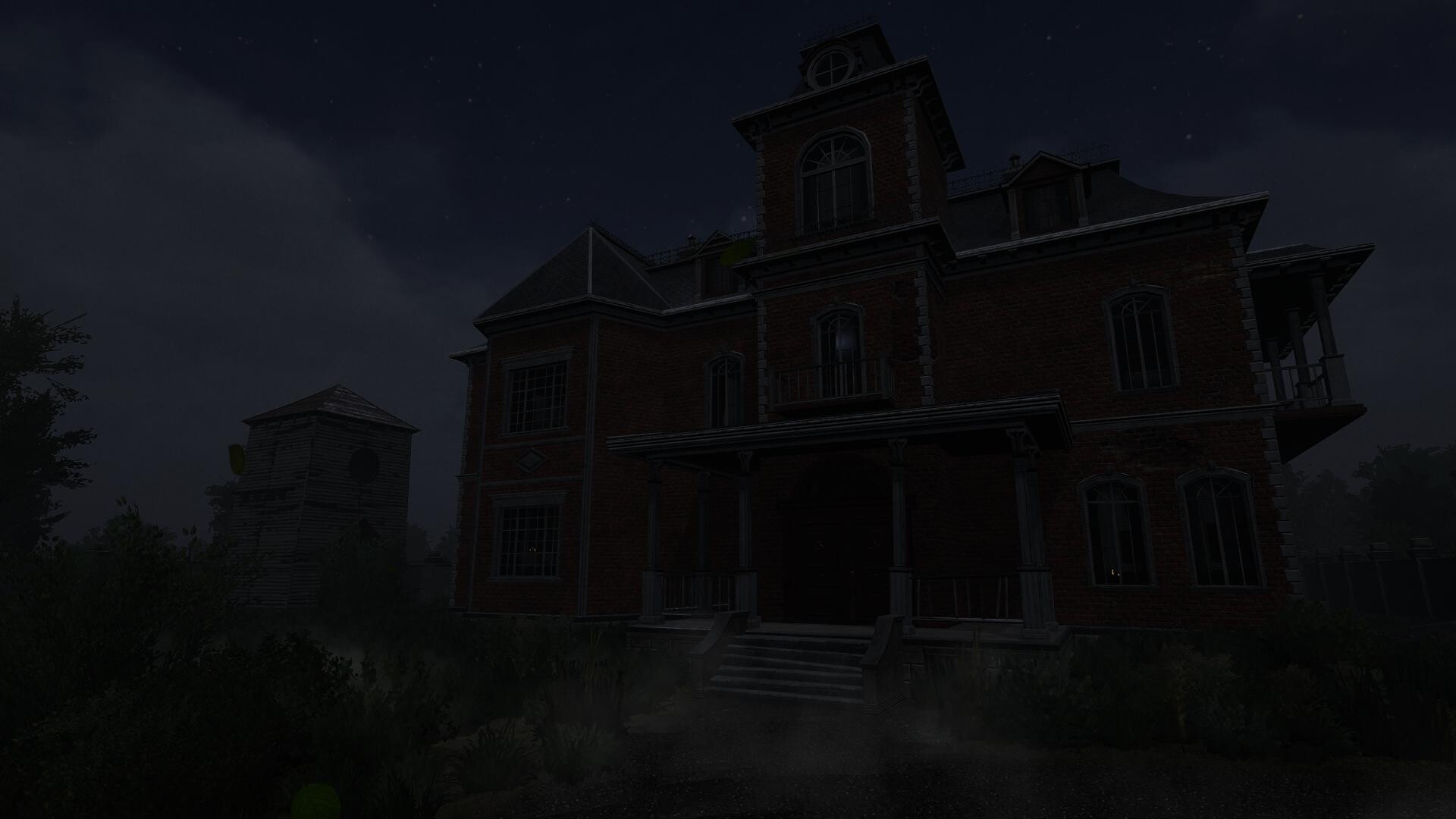
Steadyturtle’s Trace of the Villa puts players in Jin’s shoes as he follows a trail of manifests and half-erased lives through a remote, decaying mansion; the game leans on atmosphere and silence to make every unlocked door feel consequential. Released on 28 May, 2026 on Steam, it foregrounds environmental storytelling, power-restoration puzzles, and rooms staged as if their occupants simply stopped existing rather than theatrical jump scares.

| Title | Trace of the Villa |
|---|---|
| Steam appid | 3483660 |
| Release date | 28 May, 2026 |
| Developer / Publisher | Steadyturtle Co., Ltd. |
| Genres | Action, Adventure, Indie |
| Key Steam categories | Single-player; Color Alternatives; Custom Volume Controls; Playable without Timed Input; Subtitle Options; Family Sharing |
| Official short description | Jin has spent years searching for his missing sister, pursuing leads that took him to a remote, decaying mansion where he recovered manifests and hints that indicate his sister may still be alive, somewhere at the end of the trail he is about to follow. |
Who this is for
If you prefer psychological investigation over combat, and slow-burn dread over frequent jump scares, this is targeted at players who value atmospheric mystery adventure and clue-driven exploration. The game’s single-player focus and accessibility options (subtitles, custom volume controls, playable without timed input) make it suitable for players who want a measured, story-first mansion mystery on PC.
What the game actually is
Trace of the Villa casts you as Jin, a protagonist chasing a missing sister into a property cut off from the grid. The mansion reads less like a haunted house and more like a place deliberately erased: furnished rooms with no photographs or names, locked doors hiding hastily secured secrets, and financial and identity traces that point to a larger, concealed operation. Restoring power is a key mechanical and narrative beat — systems come back online, hidden compartments unlock, safes yield encrypted documents — and each discovery layers context onto the estate’s mystery.
When and where to play
Trace of the Villa launched on Steam on 28 May, 2026. It’s distributed by developer-publisher Steadyturtle Co., Ltd. on Steam; the store page lists the official short description and the categories noted above.
Why quiet tension and environmental dread matter here
Many modern horror titles use abrupt audiovisual shocks to force an adrenaline response. Trace of the Villa instead treats silence, absence, and the arrangement of rooms as the engine of unease. The emotional payoff comes from resolving small, tactile mysteries — returning power to a room and reading the files it unlocks — rather than surviving scripted startle moments. That design choice changes how players feel between puzzles: sustained uncertainty replaces repeated bursts of panic, which can make revelations feel more meaningful and the mansion more thematically coherent.
How you progress: clues, power, and piecing a timeline together
Progress in Trace of the Villa revolves around investigation and environmental interaction rather than timed player reflexes. The Steam description highlights restoring estate power as a turning point: secured systems come back online, hidden compartments can be accessed, and safes yield fragments that suggest falsified identities and suspicious transfers. Each solved puzzle tends to reveal documents or manifests that form a clue chain toward discovering whether Jin’s sister is alive and what the estate was used for.

Player scenarios — who should wishlist it
- Atmosphere-first explorers: You want slow-burn suspense and environmental storytelling. You’ll spend time reading documents and tracing timelines rather than reacting to combat encounters.
- Puzzle-minded investigators: If you enjoy piecing together narratives from manifests, safes, and locked systems, the power-restoration beats and decrypted fragments will appeal.
- Story players who dislike timed inputs: The Steam categories include “Playable without Timed Input” and “Subtitle Options”, so it’s a fit if you prefer reading and thinking to twitch mechanics.
- Mansion-mystery fans: If titles like psychologial, exploration-driven adventures set in large houses intrigue you, this aligns with that taste while emphasizing erasure and bureaucracy as sources of dread.
- Accessibility-conscious players: With custom volume controls, color alternatives, and family sharing supported, it’s considerate of different play styles and setups.
How it compares — calm dread vs. other well-known atmospherics
| Title (release) | View Trace of the Villa on Steam
YouTube discoveryFor trailer and gameplay discovery, use YouTube search rather than relying on unverified embeds: Find Trace of the Villa trailer and gameplay searches on YouTube. CommentsMore posts |
|---|
Leave a Reply