Trace of the Villa: who should wishlist this documents‑and‑dark‑rooms mystery
Trace of the Villa is a slow‑burn, evidence‑led investigation set in a remote, decaying mansion where Jin follows manifests and encrypted fragments toward a possible reunion. If you prize environmental storytelling, document analysis, and methodical clue work over jump scares, this Steam release is built around that patient detective instinct.

What the game is
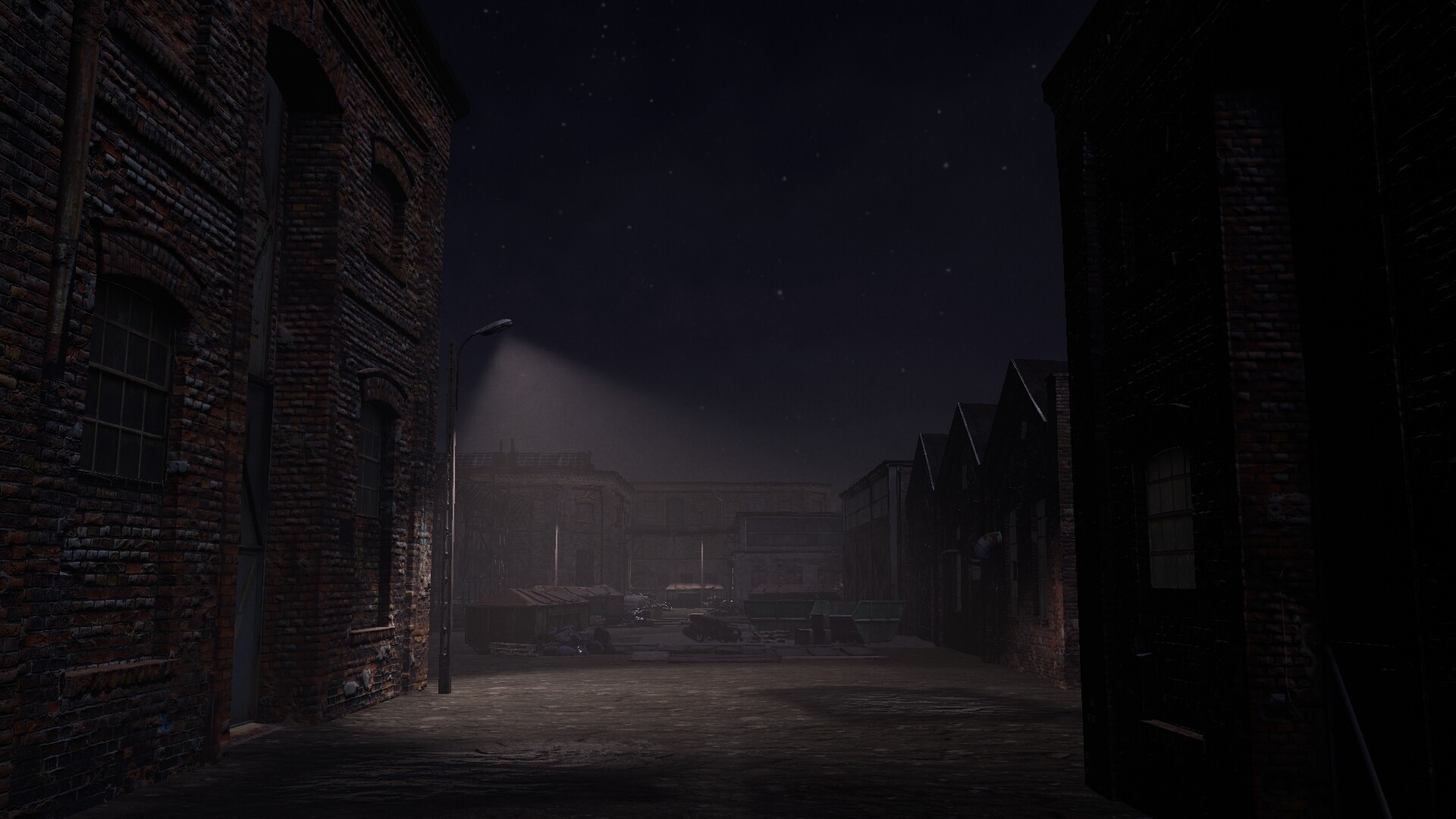
Trace of the Villa (Steam appid 3483660) is an Action/Adventure/Indie title from Steadyturtle Co., Ltd., released on 28 May, 2026. The official premise centers on Jin, a protagonist who has spent years searching for his missing sister and follows a lead to a property intentionally cut off from the grid. The mansion’s rooms appear preserved mid‑routine; restoring power reveals secured systems, safes and fragments of encrypted documents that point to falsified identities and suspicious transfer records.
Who it’s for
- Players who enjoy atmospheric mystery adventure and narrative puzzle design that rewards careful reading of documents and environmental clues.
- Fans of slow‑burn suspense and investigation that emphasize reconstruction of timelines from manifests, records and encrypted fragments rather than constant combat or timed reflex tests.
- Those who prefer single‑player, PC‑focused indie experiences (Steam categories include Single‑player, Subtitle Options, and Playable without Timed Input).
When and where
Trace of the Villa is available on Steam; its release date is 28 May, 2026. The Steam page currently lists the developer and publisher as Steadyturtle Co., Ltd., and the store shows the game under Action, Adventure, Indie. As of publication there are no user reviews on Steam.
Why the theme matters
The game’s primary narrative engine is investigation through documents and secured systems — manifests, transfer records and encrypted fragments. That makes its emotional pull different from games that lean on visceral horror or mechanical puzzles alone: the tension comes from piecing together administrative traces and erasures of identity. If you find forensic, clerical evidence and the unease of “who was here, who disappeared” compelling, that theme will drive your engagement.
How you progress
According to the official description, progression revolves around restoring systems (for example, power to the estate), unlocking safes and recovering fragments of encrypted documents and manifests. Each discovery exposes another layer of a concealed operation — financial trails, falsified identities and movements that lack records. The player’s path is therefore clue‑driven and evidence‑led: read manifests, inspect recovered records, and follow the timeline those pieces suggest.
Compact facts
| Title | Trace of the Villa |
|---|---|
| Steam AppID | 3483660 |
| Developer | Steadyturtle Co., Ltd. |
| Publisher | Steadyturtle Co., Ltd. |
| Release date | 28 May, 2026 |
| Genres | Action, Adventure, Indie |
| Categories | Single‑player; Color Alternatives; Custom Volume Controls; Playable without Timed Input; Subtitle Options; Family Sharing |
| Short description | Jin follows leads to a remote mansion and recovers manifests and hints indicating his sister may still be alive. |
| Steam reviews | No user reviews |
How it compares: neighboring mystery and puzzle titles
Below is a focused editorial comparison on tone, puzzle focus and player fit — intended to help you decide whether Trace of the Villa suits your tastes compared with other well‑known mystery/adventure experiences.
| Title | Primary genre / tone | Puzzle focus | Exploration style | Pacing / story tone | Player fit |
|---|---|---|---|---|---|
| Trace of the Villa | Action / Adventure / Indie — mansion mystery | Document‑based evidence, safes, encrypted fragments | Investigative, room‑by‑room reconstruction | Slow‑burn, methodical, evidence‑led | Players who like reading records and piecing timelines |
| Amnesia: The Dark Descent | Action / Adventure / Indie — first‑person survival horror | Puzzles and survival mechanics tied to atmosphere | First‑person exploration of a hostile, haunting space | Immersive tension and dread; higher emphasis on horror | Players seeking immersion and intense dread |
| SOMA | Action / Adventure / Indie — sci‑fi horror | Puzzle and narrative-driven, with survival elements | Linear, atmospheric exploration in a confined setting | Philosophical, unsettling; slow‑paced narrative | Players who want story questions mixed with horror |
| Layers of Fear (2016) | Adventure / Indie — psychological horror | Environmental puzzles and shifting mansion logic | First‑person, mutable mansion exploration | Psychological, art‑driven tension; cinematic pacing | Fans of story‑driven atmosphere and unreliable spaces |
| The Room | Adventure / Indie — tactile puzzle box mystery | Mechanical and logic puzzles focused on a single device | Room/box‑based, puzzle‑centric progression | Concise, puzzle‑first, mystery framed by artifacts | Players who prefer handcrafted mechanical puzzles |
| Rusty Lake Hotel | Adventure / Indie — eerie point‑and‑click | Point‑and‑click puzzles and short chapter mysteries | Discrete scenes with interlocking puzzles | Surreal, episodic, often darkly whimsical | Players who like compact, narrative puzzle episodes |
Player scenarios — would you wishlist this?
- Scenario A — You love forensic puzzle
Steam page
View Trace of the Villa on Steam
YouTube discovery
For trailer and gameplay discovery, use YouTube search rather than relying on unverified embeds: Find Trace of the Villa trailer and gameplay searches on YouTube.
Leave a Reply