
Trace of the Villa: where locked-room thinking, clue chains, and environmental reading shape a slow-burn mansion mystery
Jin arrives at a remote, decaying mansion with manifests and hints that his missing sister may still be alive — Trace of the Villa sets a personal investigation inside an estate that feels deliberately erased. This piece explains who the game will suit, what to expect from its escape-room logic, and how the design funnels players through clue chains and environmental reading to sustain puzzle-chain momentum.

Who
Who should wishlist Trace of the Villa: players who prefer single-player, story-rich mystery on PC — people drawn to atmospheric mystery adventure, psychological investigation, and clue-driven exploration rather than twitch action. The Steam listing classifies it under Action, Adventure, Indie and as a Single-player title with options such as Color Alternatives, Custom Volume Controls, Playable without Timed Input, Subtitle Options, and Family Sharing — signal that it targets accessibility-minded solo players who value mood and investigation over speed runs.
What the game is
Trace of the Villa is an investigative, narrative puzzle experience built around a decaying mansion. Official text says protagonist Jin has recovered manifests and hints that point to his missing sister possibly still being alive. Inside the estate, rooms appear furnished as if occupants vanished mid-routine; identities and records are conspicuously missing. When Jin restores power, secured systems and hidden compartments start revealing encrypted documents, suspicious transfer records, and evidence of a larger, concealed operation. Those official beats set the expectation: puzzles are woven into environmental systems and locked containers rather than being isolated minigames.
When and where it’s available
Trace of the Villa released on 28 May, 2026 on Steam. It is developed and published by Steadyturtle Co., Ltd. and appears on the Steam store as a PC title (see Steam link and widget below).
Why the mansion setting matters
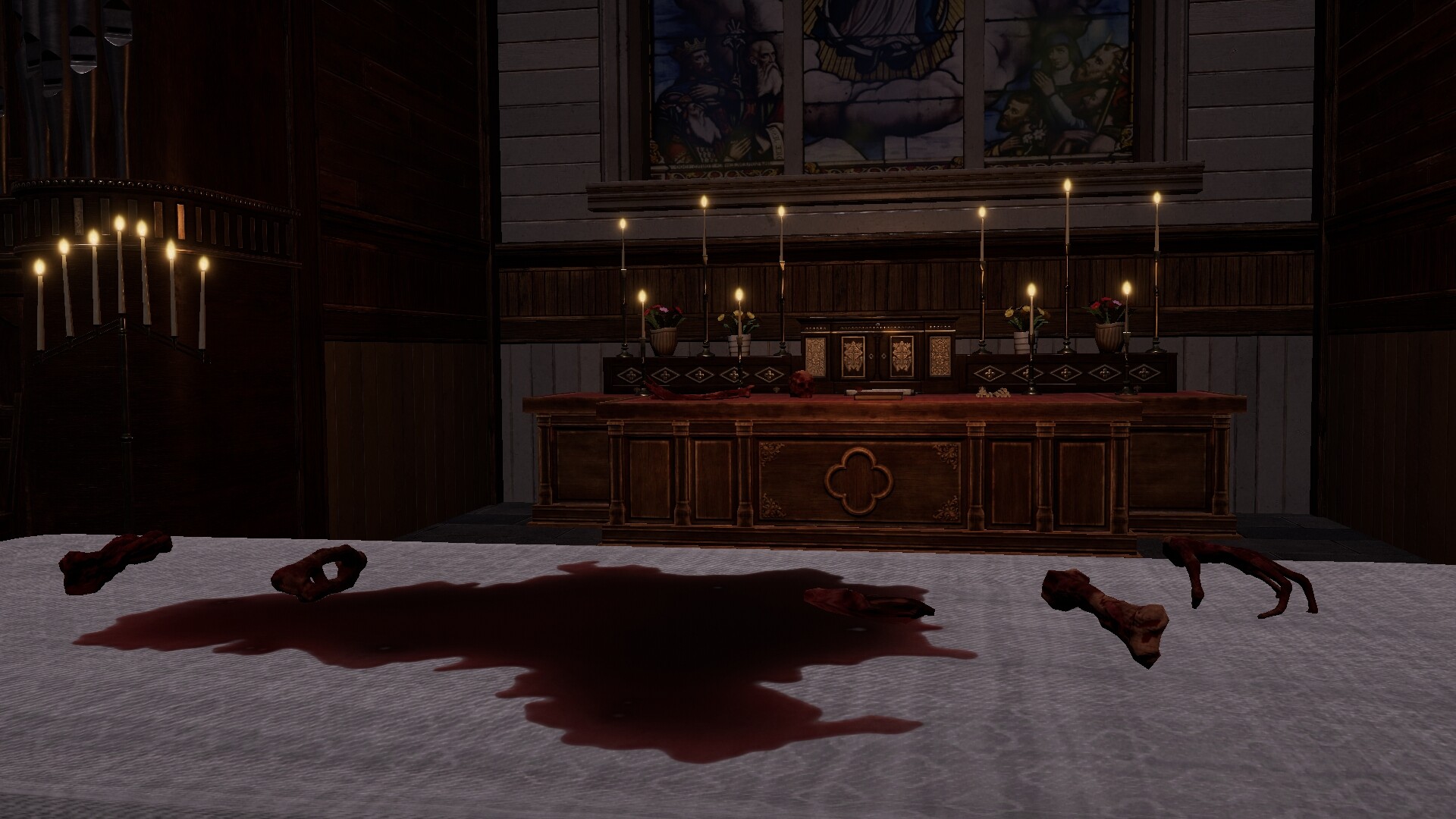
The mansion premise is not just backdrop: the official description frames the estate as a place that has been “erased” — rooms staged, records removed, identities masked. That erasure is the design hook. A house that hides administrative systems, safes, and falsified identities rewards players who read implied systems: a ledger tucked into a drawer, a power grid switch that reanimates electronics, or transfer records that redirect you to the next locked location. Thematically, the personal stake (Jin’s missing sister) pushes investigative pacing away from abstract puzzles toward puzzles that carry narrative consequences.
How you read clues and make progress — escape-room logic in practice
Trace of the Villa leans on escape-room logic: locked-room thinking, sequential clue chains, and environmental reading. The official description describes restoring power, secured systems coming back online, hidden compartments unlocking, and safes yielding encrypted fragments — a clear chain: fix a system to reveal a lead; decode the lead to access the next locked space. That creates puzzle-chain momentum where each solved problem becomes the literal and narrative key to the next stage. Players who annotate, cross-reference manifests, and prioritize environmental context will move more fluidly through the house than those who try to brute-force single objects without tracing their connections.

Quick facts
| Title | Trace of the Villa |
|---|---|
| Steam AppID | 3483660 |
| Release date | 28 May, 2026 |
| Developer / Publisher | Steadyturtle Co., Ltd. |
| Genres | Action, Adventure, Indie |
| Notable Steam categories | Single-player; Playable without Timed Input; Subtitle Options; Color Alternatives; Custom Volume Controls; Family Sharing |
How it compares — editorial discovery
If you’re choosing between similar mystery and puzzle-driven games, here are lawful editorial distinctions to help match player taste.
| Title | Puzzle focus | Atmosphere / story tone | Best for |
|---|---|---|---|
| Trace of the Villa | Sequential, system-linked puzzles (power systems, safes, encrypted documents) | Slow-burn mansion mystery with personal stakes and erased identities | Players who want investigative pacing, environmental storytelling, and narrative puzzle chains |
| The Room | Mechanical, tactile puzzle boxes and safes | Claustrophobic, curiosity-driven mystery centered on a single locked object |
Steam pageView Trace of the Villa on Steam YouTube discoveryFor trailer and gameplay discovery, use YouTube search rather than relying on unverified embeds: Find Trace of the Villa trailer and gameplay searches on YouTube. Reader decision checklistUse this checklist before deciding whether Trace of the Villa belongs on your Steam wishlist. The game is most relevant if you enjoy reading environmental evidence, following document trails, inspecting rooms for small inconsistencies, and letting a mystery unfold through objects rather than exposition. It is less about instant spectacle and more about the slow pressure of a place that seems to have been deliberately erased. SEO note for discovery-minded playersPlayers searching for atmospheric mystery adventure, clue-driven exploration, mansion mystery game, story-rich indie adventure, psychological investigation game, or narrative puzzle design are likely looking for the same core appeal: a PC game where the setting is not just a backdrop but the main source of evidence. Trace of the Villa fits that search intent because its official Steam premise centers on Jin, his missing sister, a remote mansion, restored systems, hidden compartments, safes, encrypted documents, and a trail of suspicious records. Final player-fit summaryWishlist Trace of the Villa if you want a slow investigation built around official Steam store elements: a 28 May, 2026 release from Steadyturtle Co., Ltd., a single-player PC/Steam mystery structure, official screenshots showing the mansion atmosphere, and a premise that uses the house itself as a puzzle box. The strongest fit is for players who prefer patience, observation, and narrative reconstruction over fast combat or loud horror beats. CommentsMore posts |
Leave a Reply