
Trace of the Villa — locked-room clues, chained puzzles, and slow-burn mansion mystery
Trace of the Villa (Steadyturtle Co., Ltd., released 28 May, 2026) puts you in Jin’s shoes as he follows manifests and hints through a remote, decaying mansion that may hold the key to his missing sister. Expect a story-driven, environmental investigation that uses restored systems, hidden compartments and encrypted fragments to build puzzle-chain momentum rather than fast twitch action.

Quick facts
| Title | Trace of the Villa |
|---|---|
| Developer / Publisher | Steadyturtle Co., Ltd. |
| Release date | 28 May, 2026 |
| Genres | Action, Adventure, Indie |
| Platform / Context | Steam / PC (store page available) |
| Notable categories | Single-player; Color Alternatives; Custom Volume Controls; Playable without Timed Input; Subtitle Options; Family Sharing |
| Steam page | Trace of the Villa on Steam |
What the game actually is
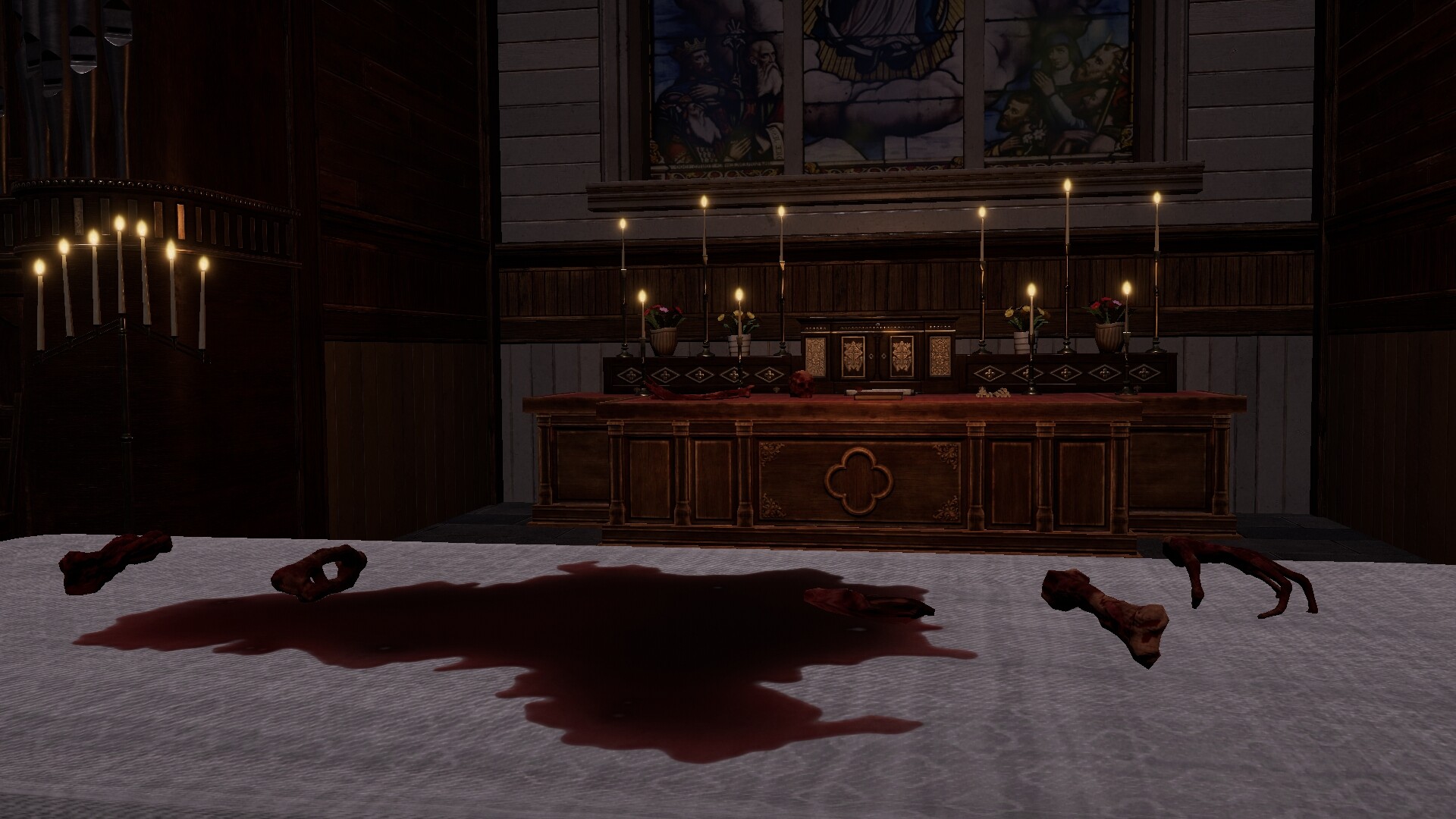
Officially, Trace of the Villa centers on Jin’s investigation of a remote, deliberately forgotten estate. The mansion’s rooms appear preserved mid-routine, with locked doors and missing identity markers; when Jin restores power to the house, systems and safes start to reveal manifests, encrypted fragments and suspicious transfer records. The narrative unfolds as a chain of discoveries — each unlocked compartment or restored system produces a new clue that points deeper into a concealed operation.
Who it’s for
- Players who prefer atmospheric mystery adventure and psychological investigation over combat-heavy gameplay.
- Fans of environmental storytelling and detective-style interrogation of space — reading objects, restored tech and paper trails for meaning.
- Those who like methodical puzzle chains: solving one sealed secret tends to reveal the next layer rather than random or disconnected puzzles.
- PC players who value accessibility options (color alternatives, subtitle options, custom audio) and single-player experiences.
When and where
Trace of the Villa is available on Steam, released 28 May, 2026. The Steam page supplies the developer/publisher credit (Steadyturtle Co., Ltd.) and the store entry where you can wishlist, purchase, and read the official description and visuals.
Why the mansion theme matters
The mansion setting doubles as puzzle architecture: furniture and appliances are clues as much as obstacles. Official messaging emphasizes absence of identity — no photos, no names — which shifts the player’s job toward reconstructing history from indirect evidence. That makes locked-room thinking central: you’re interpreting staged spaces and restored systems to infer what happened, who passed through, and where Jin’s trail might lead.
How progression and clue-chains work (based on official details)
- Initial leads deliver manifests and hints recovered inside the mansion; those items set the investigative trail in motion.
- Restoring power is an explicitly mentioned progression beat: secured systems come back online and enable further reveals.
- Safes and hidden compartments yield fragments of encrypted documents and suspicious transfer records — each reveal functions as a link in a chain, pointing to the next locked door or piece of evidence.
- Pacing tilts toward slow-burn discovery: the description frames investigation as assembling a timeline from compacted traces rather than rapid action sequences.

Comparison: how Trace of the Villa aligns with nearby mystery/puzzle games
| Title | Genre / Focus | Puzzle approach | Atmosphere & story tone | Player fit |
|---|---|---|---|---|
| Trace of the Villa | Action / Adventure / Indie — narrative puzzle investigation | Clue chains unlocked by restored systems, safes and hidden compartments; environmental reading emphasized | Slow-burn mansion mystery; psychological investigation and erased identities | Players who want story-rich, methodical exploration and object-based evidence gathering |
| The Room | Adventure / Indie — tactile, box-style puzzles | Mechanic-forward, single-object mysteries (a cast-iron safe and connected contraptions) | Close, tactile, claustrophobic puzzle tone | Players who like intricate mechanical puzzles in contained environments |
| The Room Two | Adventure / Indie — extended mechanical puzzles | Serial object puzzles with escalating mechanical complexity | Cryptic, atmospheric, puzzle-first narrative | Those who enjoy a sequence of self-contained puzzle chambers with rich tactile detail |
| Escape Simulator | Adventure / Simulation / Indie — interactive escape rooms | Highly interactive rooms, physics and object manipulation; supports co-op and community rooms | Varied tonality depending on room; often puzzle-focused and playful | Players who prefer hands-on interaction, multiplayer co-op or user-created rooms |
Player scenarios — decide if it matches your tastes
- If you like evidence-led detective work: The official description makes it clear that investigation proceeds by finding manifests, encrypted fragments, and suspicious transfer records — all clues that build a timeline. This will appeal to players who enjoy assembling a narrative from indirect evidence.
- If you prefer mechanical, self-contained puzzles: Titles like The Room focus tightly on boxes and contraptions; Trace of the Villa appears to distribute puzzles across spaces and systems, linking discoveries to story beats rather than standalone puzzles.
- If you play with accessibility in mind: The Steam categories list Color Alternatives, Custom Volume Controls, Playable without Timed Input and Subtitle Options, which are relevant for players who need or prefer these options.
YouTube discovery
For trailer and gameplay discovery, use YouTube search rather than relying on unverified embeds: Find Trace of the Villa trailer and gameplay searches on YouTube.
Leave a Reply