
Trace of the Villa: how locked-room logic, object clues, and puzzle-chain momentum shape a mansion mystery
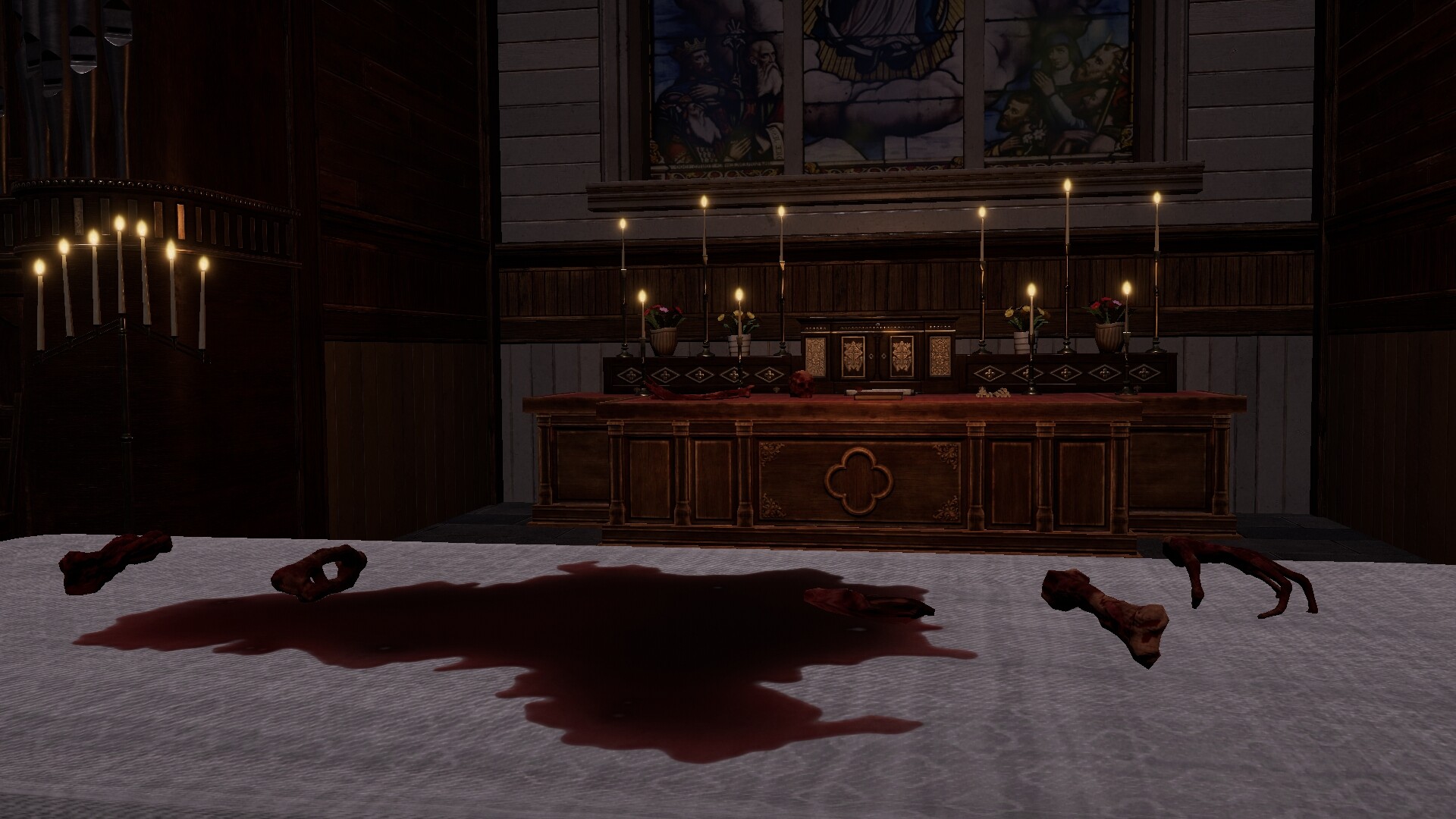
Trace of the Villa places you in Jin’s shoes as he follows fragments of evidence through a remote, decaying mansion — a claustrophobic, clue-driven environment where every unlocked drawer yields another link in a chain. Released on 28 May, 2026 by Steadyturtle Co., Ltd., the game emphasizes environmental reading, narrative puzzle design, and slow-burn suspense rather than timed reflexes.

Quick facts
| Title | Trace of the Villa |
|---|---|
| Steam AppID | 3483660 |
| Release date | 28 May, 2026 |
| Developer | Steadyturtle Co., Ltd. |
| Publisher | Steadyturtle Co., Ltd. |
| Genres | Action, Adventure, Indie |
| Notable Steam categories | Single-player; Color Alternatives; Custom Volume Controls; Playable without Timed Input; Subtitle Options; Family Sharing |
| Premise | Jin investigates a remote, deliberately forgotten mansion after leads suggest his missing sister may still be alive at the end of the trail. |
Who this is for
If you prefer games built around environmental storytelling and chained puzzles, Trace of the Villa is targeted at players who enjoy slow-burn mansion mysteries and careful observation over twitch gameplay. The presence of “Playable without Timed Input” and subtitle options signals a focus on reading, deduction, and narrative immersion rather than fast reactions or competitive multiplayer.
What the game is
Officially described by Steadyturtle Co., Ltd., the game follows Jin as he restores power to an estate and uncovers encrypted documents, safes, and hidden compartments. Mechanically, the build centers on exploration and progressive unsealing of the house’s secrets: each solved puzzle yields manifests, suspicious transfer records, or fragments that link to further investigation.
When and where
Trace of the Villa launched on Steam on 28 May, 2026. The Steam store page lists the title’s AppID (3483660) and the developer/publisher as Steadyturtle Co., Ltd.
Why the theme matters — locked-room thinking and narrative implication
Locked-room logic in a mansion setting changes the way clues function: objects are not just props but nodes in a detective network. Because rooms appear furnished as if occupants vanished mid-routine, the absence (for example, missing photographs or names) becomes a clue in itself. That makes interpretive reading — asking why an object is present or conspicuously absent — as important as solving a mechanical lock puzzle.
How you read clues and build momentum
Trace of the Villa is structured around consecutive clue-chains: a recovered manifest points to a locked safe, the safe yields an encrypted fragment, that fragment points to a hidden compartment, and so on. That puzzle-chain momentum is the game’s pacing engine — progress accumulates through small revelations, and the mansion rewards methodical players who piece disparate evidence into a timeline. The Steam listing’s categories (such as “Playable without Timed Input”) suggest puzzles lean on deduction and inventory-based interaction rather than time-limited sequences.

Player scenarios — who should wishlist (and who should look elsewhere)
- Wishlist if: you like methodical, story-rich adventure with environmental storytelling, puzzle chains that unlock more narrative, and a mansion mystery atmosphere.
- Consider carefully if: you prefer multiplayer, high-tempo action, or large open-world exploration; Trace of the Villa is single-player and oriented around contained, interpretive investigation.
- Good fit for: fans of clue-driven exploration who enjoy decoding documents, rebuilding timelines, and letting small discoveries accumulate into larger revelations.
- Not a fit for: players seeking primarily physics-based tinkering or community-made map systems—the Steam categories do not indicate workshop support or co-op features.
How it compares (at a glance)
| Title | Primary focus | Atmosphere / tone | Puzzle focus | Player fit |
|---|---|---|---|---|
| The Room | Mysterious mechanical puzzles in a confined setting | Claustrophobic, tactile, tactile curiosity | Safe-and-mechanism puzzles with single-room escalation | Players who like hands-on object puzzles and tactile mystery |
| The Room Two | Expanded environments with layered mechanical puzzles | Cryptic, atmospheric, progressively broader | Mechanical and environmental puzzles that build a chain | Those who enjoyed the first game and want larger, interconnected rooms |
| Escape Simulator | Highly interactive escape rooms; solo or co-op | Playful to tense depending on room creator | Inventory interaction, physical manipulation, community rooms | Players who want sandbox-style puzzle interaction and co-op options |
| Hi‑Fi RUSH | Action-rhythm combat synced to music | Bright, kinetic, upbeat | Timing and combat-mechanics, not environmental puzzles | Players seeking action and rhythmic pacing rather than slow-burn mystery |
Notes: comparisons use lawful editorial criteria—genre, atmosphere, puzzle focus, exploration style, story tone, and pacing—based on public descriptions.
YouTube discovery
If you want trailer or gameplay clips, search for Trace of the Villa trailers and gameplay on YouTube: YouTube search: Trace of the Villa trailer gameplay. This is a discovery search path; do not assume any single result is an official publisher video without verification.
Where to wishlist
Trace of the Villa is available on Steam. If the description above matches your taste, add it to your wishlist or follow the store page:
Leave a Reply