
Trace of the Villa: locked-room logic and the pull of clue chains
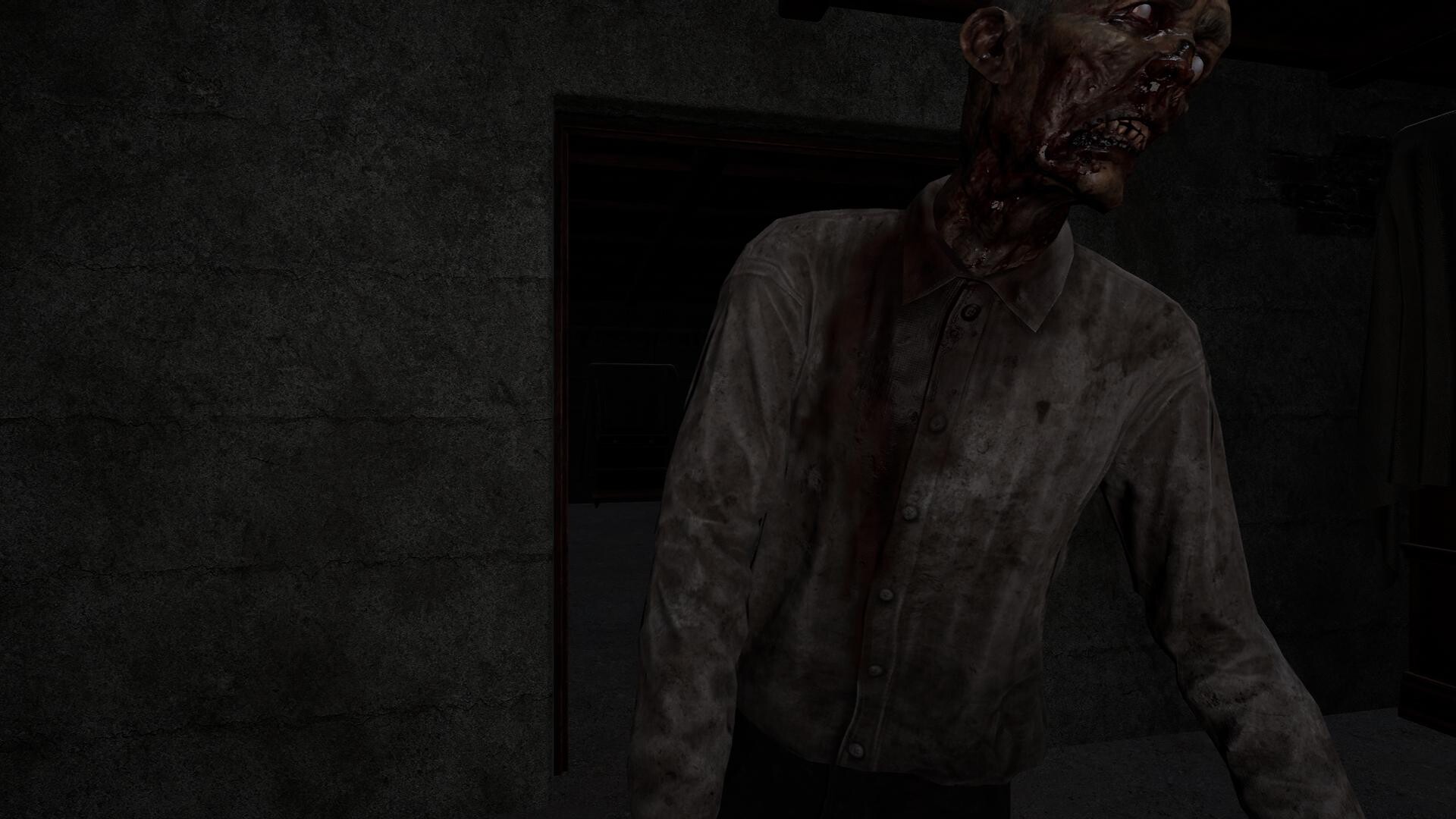
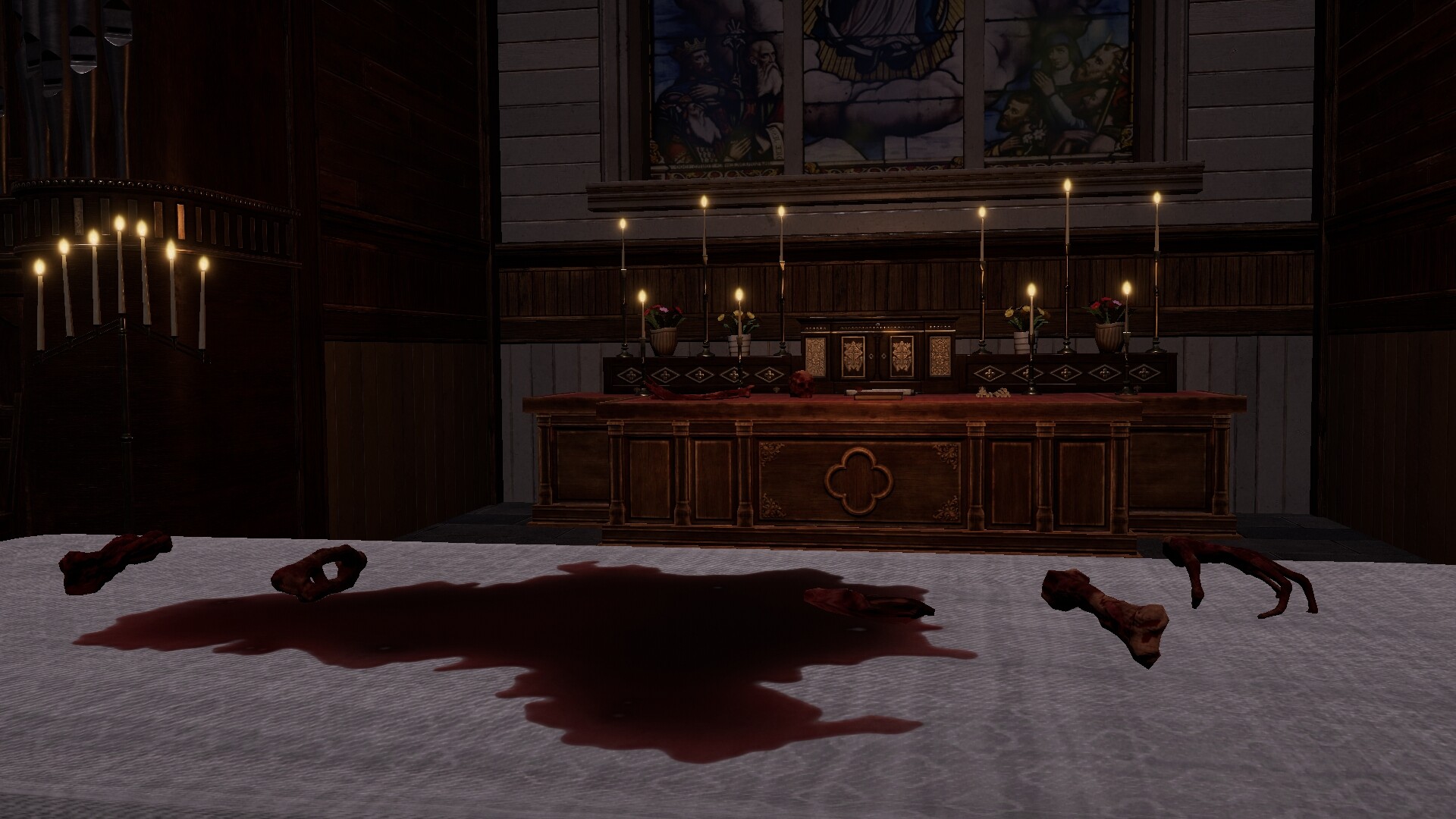
Trace of the Villa drops players into a decaying mansion where Jin follows manifests and hints that suggest his missing sister may still be alive. The game pairs environmental storytelling with locked doors and layered puzzle chains that reward close reading of objects and space.

Quick facts
| Title | Trace of the Villa |
|---|---|
| Developer / Publisher | Steadyturtle Co., Ltd. |
| Release date | 28 May, 2026 |
| Genres | Action, Adventure, Indie |
| Key Steam categories | Single-player; Color Alternatives; Custom Volume Controls; Playable without Timed Input; Subtitle Options; Family Sharing |
| Steam reviews (public) | No user reviews |
What Trace of the Villa is
The official short description frames the plot simply: “Jin has spent years searching for his missing sister, pursuing leads that took him to a remote, decaying mansion where he recovered manifests and hints that indicate his sister may still be alive, somewhere at the end of the trail he is about to follow.” The extended Steam description expands on that premise: the mansion is cut off from the grid, furnished as if its occupants vanished mid-routine, with locked doors and secured systems that reveal encrypted fragments and suspicious records once power is restored.
Who this is for
- Players who prefer atmospheric mystery adventure and story-rich exploration over twitch action.
- Fans of environmental storytelling who enjoy reading rooms, objects, and documents to reconstruct events.
- Those who like puzzle chains where one solved lock or revealed document opens the next avenue of investigation.
When and where
Trace of the Villa is available on Steam as of 28 May, 2026. The game’s Steam store page lists Steadyturtle Co., Ltd. as both developer and publisher, and shows the genres and accessibility categories noted above.
How the game stages locked-room investigation
The mansion setting sets expectations typical of locked-room and escape-room style mysteries: closed spaces, secured systems, and objects that only make sense in relation to one another. According to the Steam description, restoring power is a clear gameplay beat — secured systems come back online, hidden compartments unlock, and safes yield encrypted fragments and transfer records. That structure implies a steady puzzle-chain momentum: find a way to a power source or override, use a document or manifest to decode a safe, and let each discovery point toward the next locked door or database.
From an editorial perspective, that design rewards three habits in players: careful environmental reading (noticing missing photographs or unusual furniture placement), chaining clues across object types (paper manifests to electronic logs), and treating the mansion itself as a narrative device — rooms aren’t just spaces, they’re nodes in a timeline you reconstruct.
Player scenarios — which sessions it fits
- Solo evening play: one to two-hour sessions where you methodically read notes and return to a previously locked area after solving a chain of puzzles.
- Slow-burn weekend investigation: players who enjoy piecing together timelines across rooms and revisiting clues will find the mansion’s layers suitable for paced, contemplative play.
- Speedrun/leaderboard-averse players: Steam categories include “Playable without Timed Input,” signalling the focus is investigation rather than timed reflex challenges.
How it differs from nearby mystery/puzzle games
Below is a compact editorial comparison focusing on genre, atmosphere, puzzle focus, exploration style, story tone, and pacing — useful for readers deciding whether Trace of the Villa fits their tastes.
| Title | Genres / Core feel | Atmosphere & story tone | Puzzle focus & pacing |
|---|---|---|---|
| Trace of the Villa | Action, Adventure, Indie — mansion mystery, environmental storytelling | Slow-burn, decaying estate; investigative and personal (search for Jin’s sister) | Clue-driven chains, locked doors, restoring systems to reveal next steps; measured pacing |
| The Room | Adventure, Indie | Secluded, tactile, uncanny puzzles in enclosed spaces | Mechanical puzzle boxes and tactile object manipulation; tightly focused single-room puzzles |
| The Room Two | Adventure, Indie | Cryptic and atmospheric; more variety in set pieces than the original | Puzzle-box progression across connected environments; emphasis on tactile deduction |
| Escape Simulator | Adventure, Casual, Indie, Simulation | Bright, interactive escape rooms with community-made variety | Highly interactive object manipulation; player-driven experimentation and co-op options |
| Hi-Fi RUSH | Action | High-energy, music-synced combat and vibrant presentation | Action-focused, rhythm-driven mechanics—contrasts with Trace of the Villa’s investigative pacing |
Should you wishlist it?
Wishlist Trace of the Villa if you prioritize atmospheric mystery adventure and object-based, clue-chain progression over fast-paced combat or multiplayer. The Steam listing emphasizes environmental erasure, encrypted documents, and a personal investigative through-line — elements that fit players who enjoy reconstructing events from rooms and artifacts.
YouTube discovery
Want trailers or gameplay videos? Search YouTube for Trace of the Villa trailers and gameplay using this query: Trace of the Villa trailer & gameplay. This link points to a YouTube search path rather than a specific verified official video.
View Trace of the Villa on Steam
Disclaimer: referenced titles and trademarks belong to their respective owners. Comparisons in this article are editorial discovery and not endorsements.
Leave a Reply