
Trace of the Villa — a premise-first guide for players who want story context without spoilers
Trace of the Villa places you in the shoes of Jin, a lone investigator following a cold lead to a remote, decaying mansion that may hold the last traces of his missing sister. The game mixes atmospheric mystery, clue-driven exploration, and slow-burn investigative tension so players who prioritize narrative breadcrumbs over loud scares will know what to expect.

Quick facts
| Title | Trace of the Villa |
|---|---|
| Release date | 28 May, 2026 |
| Developer / Publisher | Steadyturtle Co., Ltd. |
| Genres | Action · Adventure · Indie |
| Categories | Single-player; Color Alternatives; Custom Volume Controls; Playable without Timed Input; Subtitle Options; Family Sharing |
| Steam AppID | 3483660 |
Who this is for
If you look for story-rich indie experiences that let you piece context together from found objects, documents and environmental cues rather than explicit exposition, Trace of the Villa is targeted at you. Players who enjoy slow-burn suspense, investigative pacing, and an emphasis on atmospheric exploration—rather than twitch reflex challenges or constant jump scares—will likely appreciate the premise.
What the game actually is (premise-first, spoiler-free)
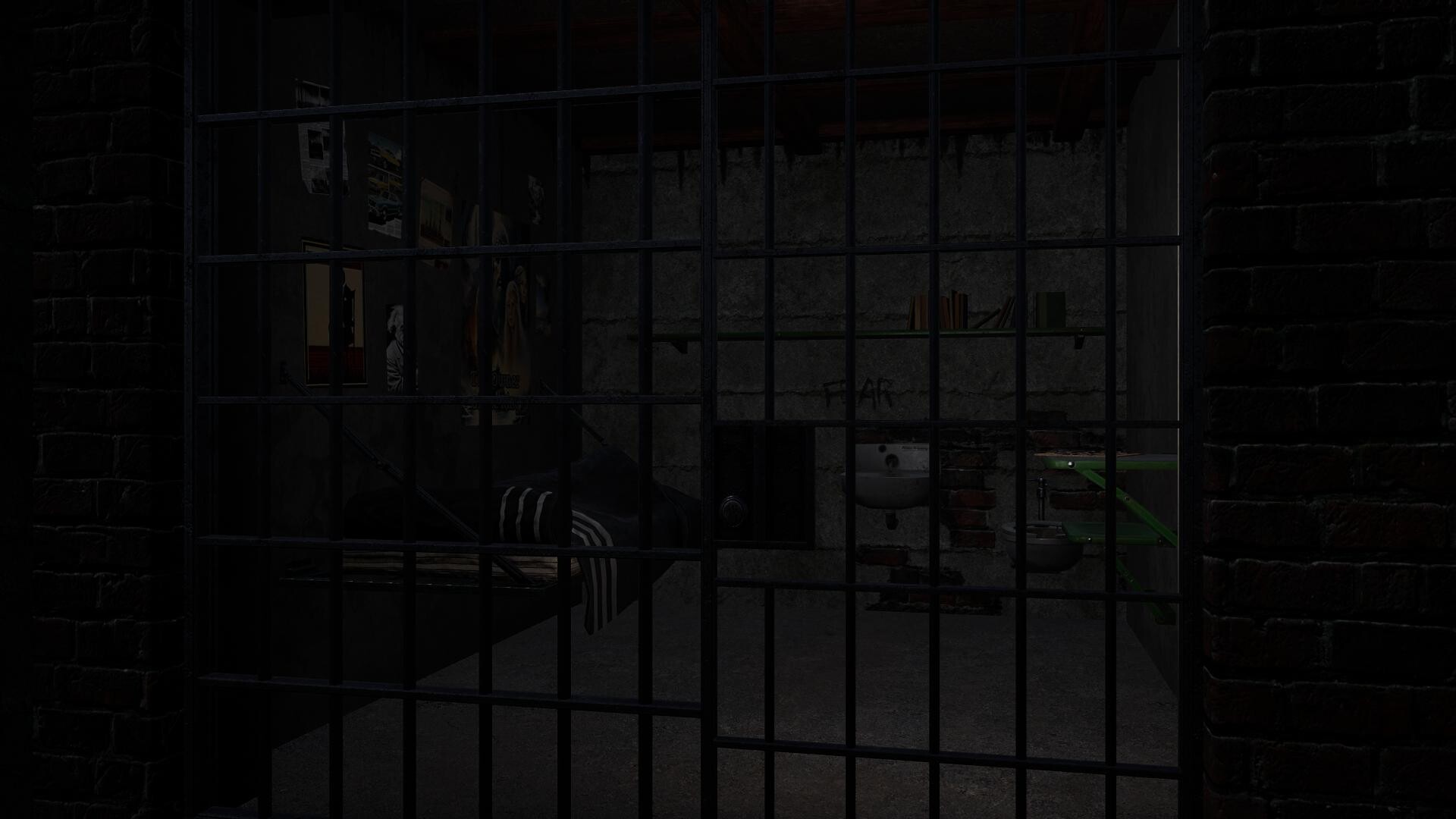
Trace of the Villa follows Jin, who has been searching for his missing sister for years. A lead takes him to an off-grid, deliberately forgotten mansion where remnants of past occupancy are present but identities appear erased. As Jin restores power and works through locked systems, the estate yields encrypted documents, safes, and fragments of manifests that point to a larger, concealed operation. Expect investigative puzzles and environmental storytelling that reveal the backstory in pieces rather than full summaries.
When and where
Trace of the Villa released on 28 May, 2026 and is available on Steam for PC. The Steam listing identifies the developer and publisher as Steadyturtle Co., Ltd., and tags the title as Action / Adventure / Indie with single-player and accessibility options such as subtitles and color alternatives.
Why the mansion mystery matters
The game’s core tension comes from an erased past: rooms set up as if their occupants vanished mid-routine, financial records and falsified identities, and the sense that the estate served some organized purpose beyond being a home. That premise matters because it shapes how the story hands you clues—the mystery isn’t a single “whodunit” reveal but a layered reconstruction of systems, people and timelines. If you enjoy piecing together motive and method from small artifacts, Trace of the Villa structures its curiosity around that very habit.
How you progress — reading clues without spoilers
Progression is built around restoration, access, and interpretation. According to the Steam description, Jin restores power to the estate to bring secured systems back online; unlocking hidden compartments and safes yields encrypted documents and manifests. That suggests a loop of exploration → restore or unlock → examine fragment → form a hypothesis, rather than pure combat or time-pressure mechanics. The categories also list “Playable without Timed Input,” reinforcing a measured, puzzle-forward approach.

Player scenarios — when to wishlist this
- You want a detective puzzle experience: If reconstructing timelines and reading financial/identity traces from documents appeals to you, the premise promises that investigative loop.
- You prefer atmosphere and slow-burn tension: The mansion’s “erased” feeling suggests a focus on mood and implied dread rather than constant action.
- You dislike timers and reflex barriers: The game’s Steam categories include “Playable without Timed Input,” which supports a deliberate playstyle.
- You need accessibility basics: Subtitles, color alternatives, and custom volume controls are present to help tailor the experience.
How Trace of the Villa compares — editorial discovery table
| Game | Tone / Atmosphere | Exploration & Puzzle Focus | Pacing | Good for players who… |
|---|---|---|---|---|
| Trace of the Villa | Housebound, erased domestic spaces; investigative tension | Document, safe, and system-driven discovery; environmental clues | Measured, clue-driven; slow-burn suspense | Prefer piecing fragmented evidence together, steady investigative pacing |
| Inscryption | Dark, inky, meta-horror tone | Card-based puzzles blended with escape-room mechanics | Variable — tighter looped sessions and escalating surprise | Enjoy emergent secrets and metafictional puzzle design |
| Outer Wilds | Curious, cosmic mystery with exploratory wonder (award-recognized) | Open-system exploration, environmental puzzles across locations | Leisurely but time-structured by its loop concept | Like discovery-driven story arcs and broader systems to understand |
| The Medium | Psychological horror; supernatural dual-realm tone | Puzzle solving that links two reality layers | Moderate — mixes exploration with set-piece scenes | Prefer narrative horror with psychological themes and dual-realm mechanics |
| The Forgotten City | Mystery rooted in moral and narrative consequence; ancient setting | Dialogue, time-loop mechanics and environmental investigation | Thoughtful, puzzle-led with narrative stakes | Enjoy branching narrative mysteries and moral puzzle design |
Notes: comparisons use genre, atmosphere, puzzle focus, exploration style and pacing as editorial criteria. Titles referenced belong to their respective owners.
YouTube discovery
If you want a visual preview, search for trailers and gameplay on YouTube: Trace of the Villa — YouTube search results. This link is a discovery path; individual videos should be verified for official status.
Steam link
Interested? Visit the Steam page to wishlist or buy: Trace of the Villa on Steam
Disclaimer
Referenced titles and trademarks belong to their respective owners. Comparisons above are editorial discovery only and not endorsements or claims of superiority.
Leave a Reply