Trace of the Villa — when locked‑room thinking meets clue‑chain momentum
Trace of the Villa (Steadyturtle Co., Ltd., released 28 May, 2026) puts you in Jin’s shoes as a slow‑burn investigator following manifest fragments through a decaying mansion; the game foregrounds environmental reading and puzzle chains that open new layers of story. If you like atmospheric mystery adventure where each solved lock or restored system produces another tangible lead, this is aimed squarely at that playstyle.

Quick facts
| Title | Trace of the Villa |
|---|---|
| Steam AppID | 3483660 |
| Release date | 28 May, 2026 |
| Developer | Steadyturtle Co., Ltd. |
| Publisher | Steadyturtle Co., Ltd. |
| Genres | Action, Adventure, Indie |
| Key categories | Single‑player; Color Alternatives; Custom Volume Controls; Playable without Timed Input; Subtitle Options; Family Sharing |
| Short premise | Jin searches a remote, decaying mansion where manifests and hints suggest his missing sister may still be alive. |
Who this is for
Players who prefer narrative puzzle design and environmental storytelling over twitch mechanics. If you enjoy methodical, clue‑driven exploration — reading rooms for faint traces, restoring systems to reveal hidden compartments, and following a chain of small solutions into a larger revelation — Trace of the Villa matches that rhythm. It’ll appeal to fans of story‑rich adventures and PC mystery games that lean on atmosphere and deduction.
What the game actually is
Official Steam materials frame Trace of the Villa as a mansion mystery in which Jin unearths manifests and encrypted documents inside a property that feels “less abandoned than erased.” The house reacts when power is restored: secured systems come back online, hidden compartments unlock, and safes yield fragments of encrypted documents and suspicious transfer records. Each solved puzzle uncovers further layers of a concealed operation and narrative clues that push the investigation forward.
When & where
Trace of the Villa is available on Steam (PC) and released on 28 May, 2026. The Steam page lists developer and publisher as Steadyturtle Co., Ltd. and includes gallery assets and platform categories relevant to PC players.
Why the theme matters
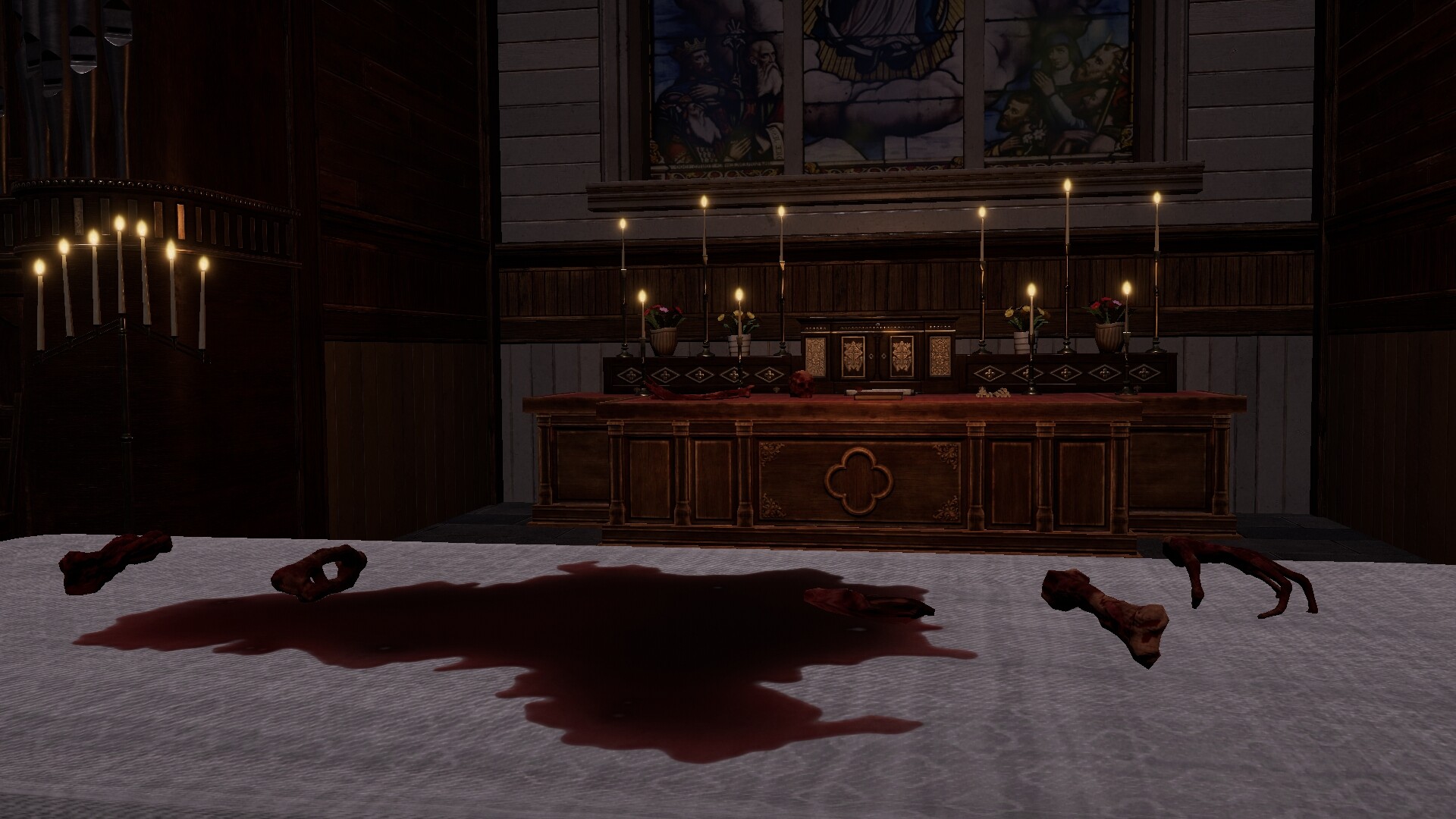
The mansion setup matters because it reinforces locked‑room thinking: rooms that seem staged, the removal of obvious identifiers, and slowed‑down discovery make environmental reading itself a puzzle. Rather than relying on exposition, the title uses objects, tampered systems, and fragmented paperwork to make the player assemble motive and timeline — the themes of identity erasure and controlled movement are woven into puzzle solutions rather than handed to you.
How you progress — reading clues and maintaining momentum
Progress is chain‑driven: small discoveries unlock new mechanical possibilities (power restoration, safes, secured systems) which in turn reveal documents and leads. That creates a momentum of successive reveals rather than isolated stand‑alone riddles. Expect to alternate close inspection of objects with systems puzzles that reconfigure the environment; the rewards for inspection are narrative fragments as much as mechanical progress.

Player scenarios — specific tastes that fit
- Single‑armchair detective: You enjoy slow, forensic play—examining cabinets, reading scraps, and watching a theory click into place after multiple small solutions.
- Atmospherics-first player: Visual tone and silence that imply story reward you more than rapid combat or timed sequences—Trace of the Villa’s categories include “Playable without Timed Input”.
- Puzzle explorers who like narrative payoff: If you like puzzles that lead to documents, system access, and sequences of revelations rather than isolated brainteasers, this matches that chaining approach.
- Accessibility-minded players: The Steam listing includes subtitle options, color alternatives, and custom volume controls, which helps when you rely on readable UI and audio cues to follow clues.
Comparisons — what this does differently
Below is a concise editorial comparison focusing on atmosphere, puzzle focus, and player fit (editorial discovery, not endorsement).
| Title | Genre / Focus | Puzzle emphasis | Atmosphere & pacing | Play mode |
|---|---|---|---|---|
| Trace of the Villa | Action, Adventure, Indie — mansion mystery | Clue chains, environmental reading, system unlocks and document fragments | Slow‑burn, investigative, eerie domestic decay | Single‑player |
| The Room | Adventure, Indie | Object‑centric mechanical puzzles (safe/box manipulation) | Focused, tactile, intimate puzzle rooms | Single‑player |
| The Room Two | Adventure, Indie | Progressive, object puzzles with set‑piece reveals | Cryptic, atmospheric, puzzle gallery pacing | Single‑player |
| Escape Simulator | Adventure, Casual, Indie | Highly interactive room puzzles; physics and object combination | Varied tone across rooms; sandboxy exploration | Single & co‑op, Workshop support |
| Hi‑Fi RUSH | Action | Combat and rhythm mechanics rather than investigative puzzles | Fast‑paced, music‑driven, energetic | Single‑player |
Decision checklist — should you wishlist it?
- Wishlist if you want investigative pacing, object clues that feed a larger trail, and a mansion that reveals itself through systems and documents.
- Consider skipping if you prefer high‑tempo action or primarily combat‑driven progression (Trace of the Villa is presented as an investigative adventure with environmental puzzle focus).
- Check system and accessibility notes on Steam for subtitle and control options before buying — the store page lists subtitle options, color alternatives, and custom volume controls.
YouTube discovery
For trailers and gameplay searches, use this YouTube discovery link (search results may include official and non‑official videos): Search Trace of the Villa trailers and gameplay on YouTube.
View Trace of the Villa on Steam
Notes & disclaimer
Referenced facts come from the Trace of the Villa Steam page (developer/publisher: Steadyturtle Co., Ltd.; release date: 28 May, 2026; genres and categories as listed). Comparisons to other titles are editorial and focus on genre, atmosphere, puzzle style, exploration, pacing and player fit rather than claims of superiority. Trademarks and referenced titles belong to their respective owners.
Leave a Reply