
Trace of the Villa — how clues, object logic and story puzzles reveal evidence without spoiling the mystery
Trace of the Villa casts you as Jin, a searcher following faint leads into a remote, decaying mansion where recovered manifests and hints suggest his missing sister may still be alive. The game stitches investigation and environmental puzzle design to let you read the house like a dossier: objects and documents expose evidence and timelines, but the way those pieces are presented protects core narrative beats from premature disclosure.

Who, what, when, where, why and how
Who is it for?
Players who favor atmospheric mystery adventure and slow-burn suspense on PC: those who want environmental storytelling, careful clue reading, and puzzles that feel like investigative work rather than abstract brainteasers. If you appreciate narrative puzzle design that reveals evidence in fragments you must assemble, this is aimed at you.
What the game is
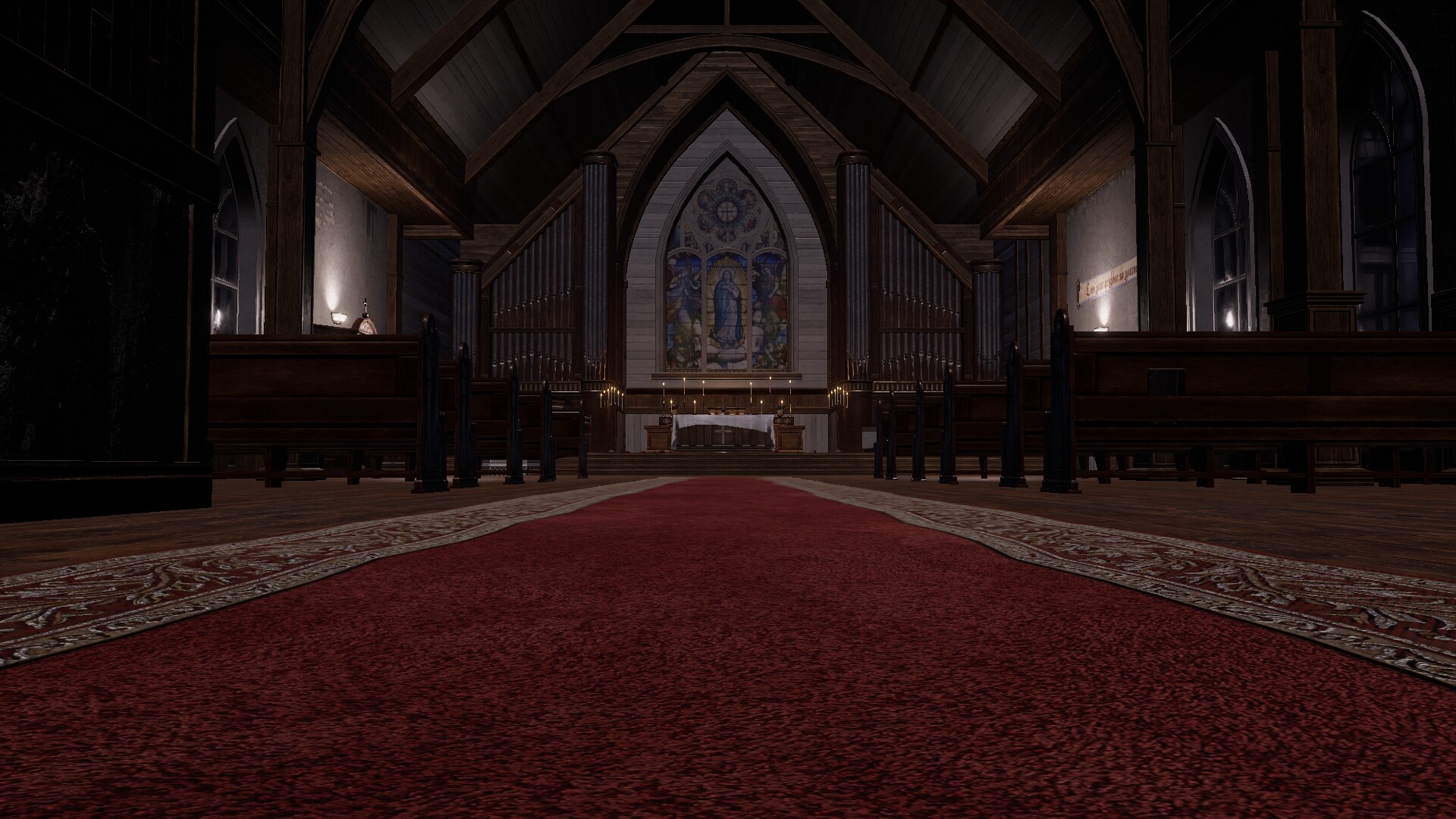
Trace of the Villa is an Action / Adventure / Indie game from Steadyturtle Co., Ltd. You play Jin, investigating a deliberately forgotten mansion where rooms appear “erased” of identity and systems resist discovery. The official Steam description highlights restoring power, hidden compartments, safes and fragments of encrypted documents that gradually reveal a concealed operation.
When and where
Trace of the Villa released on 28 May, 2026 and is available on Steam for PC. The Steam store lists standard accessibility options such as subtitle options, color alternatives, and the ability to play without timed input.
Why the theme matters
The premise — a house that seems to have had identities removed and operations concealed — makes the mansion itself the primary narrative device. Rather than a single set-piece reveal, the game promises an accumulation of evidence: manifests, transfer records, and encrypted fragments that invite a player to infer timelines and motives. That approach shifts emphasis from shock to pattern recognition, which affects tone and pacing.
How you read clues and progress
The official materials describe a progression built on restoring estate systems and unlocking secured items: restoring power brings systems online, finding hidden compartments and opening safes yields documents and manifests, and solving puzzles yields further leads. Mechanics lean on object logic and document fragments as evidence — you don’t get full exposition at once, you assemble a case. Importantly, those mechanics are framed as revealing evidence rather than narrating the entire plot, so players can discover implications incrementally without having the story’s final beats handed to them.
Facts — Trace of the Villa
| Title | Trace of the Villa |
|---|---|
| Release date | 28 May, 2026 |
| Developer | Steadyturtle Co., Ltd. |
| Publisher | Steadyturtle Co., Ltd. |
| Genres | Action, Adventure, Indie |
| Key Steam categories | Single-player; Color Alternatives; Custom Volume Controls; Playable without Timed Input; Subtitle Options; Family Sharing |
| Official short description | Jin has spent years searching for his missing sister, pursuing leads that took him to a remote, decaying mansion where he recovered manifests and hints that indicate his sister may still be alive, somewhere at the end of the trail he is about to follow. |

How Trace of the Villa compares to nearby puzzle-adventure titles
| Game | Puzzle focus | Atmosphere / tone | Exploration style | Story delivery |
|---|---|---|---|---|
| Trace of the Villa | Object logic, documents, restored systems | Mansion mystery, slow-burn suspense, investigative | Room-by-room investigation with locked systems to reactivate | Evidence fragments (manifests, transfer records, encrypted documents) |
| The Room / The Room Two | Mechanical puzzles, tactile safe/box manipulation | Claustrophobic mystery, puzzle-box intensity | Focused, single-room to chamber progression | Puzzle-driven revelations tied to artifacts and devices |
| Unpacking | Object placement and inference | Quiet, domestic, reflective | Domestic spaces as story anchors | Life and timeline implied through possessions |
| Escape Simulator | Highly interactive escape-room puzzles | Bright, puzzle-centric, cooperative or solo | Boxed rooms with many interactable objects | Puzzle solutions are primary; narrative minimal or situational |
Editorial note: comparisons above use genre, atmosphere, puzzle focus, exploration style and story delivery as lawful editorial criteria to help prospective players align expectations.
Player scenarios — which kind of player should wishlist Trace of the Villa?
If you want an evidence-led mystery
Wishlist this if you enjoy assembling narratives from documents, transfer records and manifests rather than relying on long cinematic expositions. The game’s official description centers on restored systems and fragmentary evidence, so expect a methodical pace.
If you prefer mechanical, tactile puzzles
If your ideal puzzle is an elegant physical lock or dial-box, The Room series leans more that way. Trace of the Villa appears to balance object logic with document-based inference, so it suits players who like both mechanical solutions and investigatory reading.
If you play for atmosphere and slow-burn tone
Choose Trace of the Villa if you’re drawn to mansion mysteries and psychological investigation where atmosphere and the gradual uncovering of operations matter more than constant action beats.
YouTube discovery
Search for trailers or gameplay using this YouTube discovery link (useful for finding official or community videos): Trace of the Villa — search on YouTube.
View Trace of the Villa on Steam
Disclaimer
Referenced titles and trademarks belong to their respective owners. Comparisons are editorial discovery only and do not imply endorsement, sponsorship, or an official connection.
Leave a Reply