
Trace of the Villa — a mansion mystery built for locked‑room thinking and clue chains
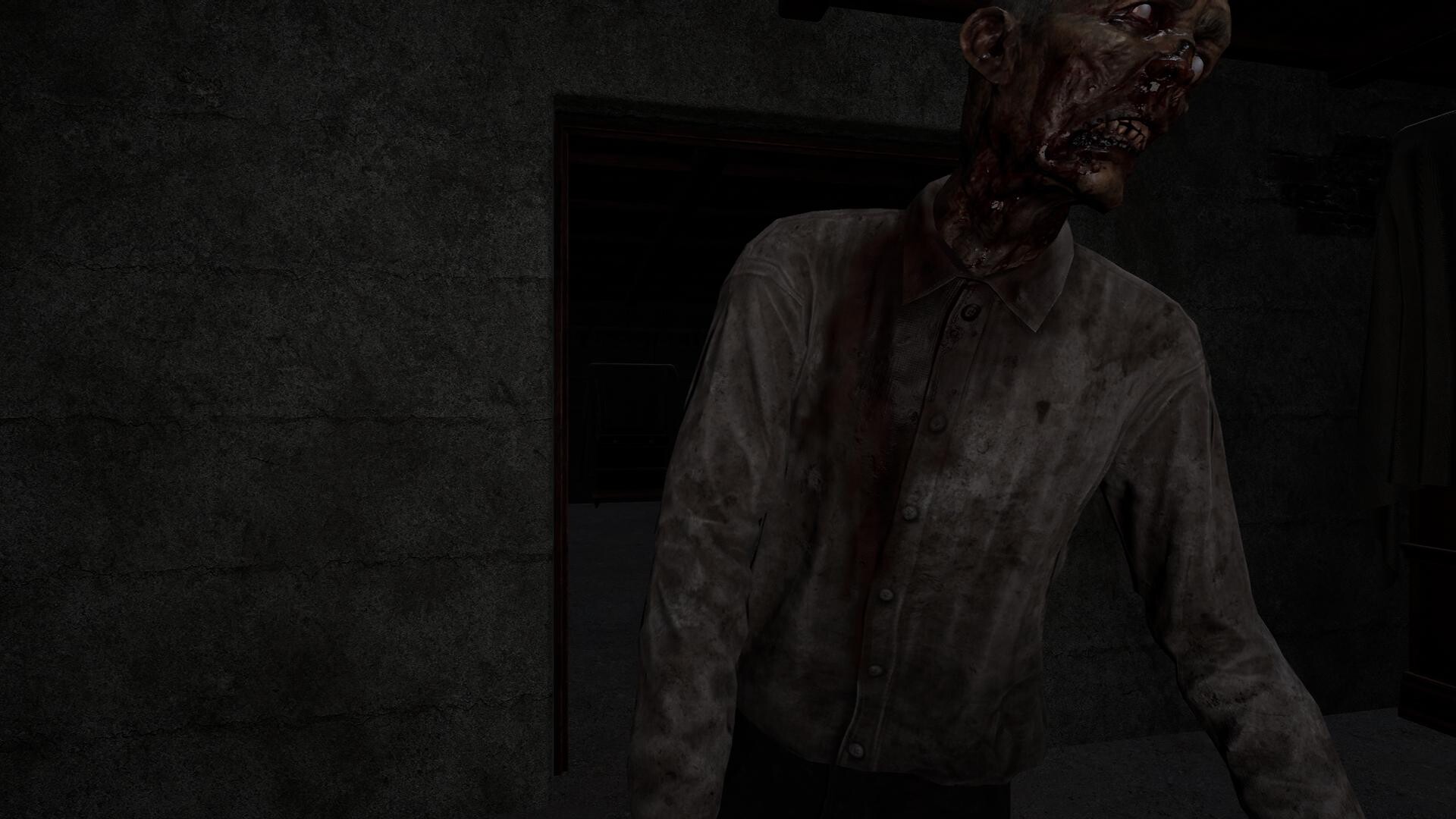
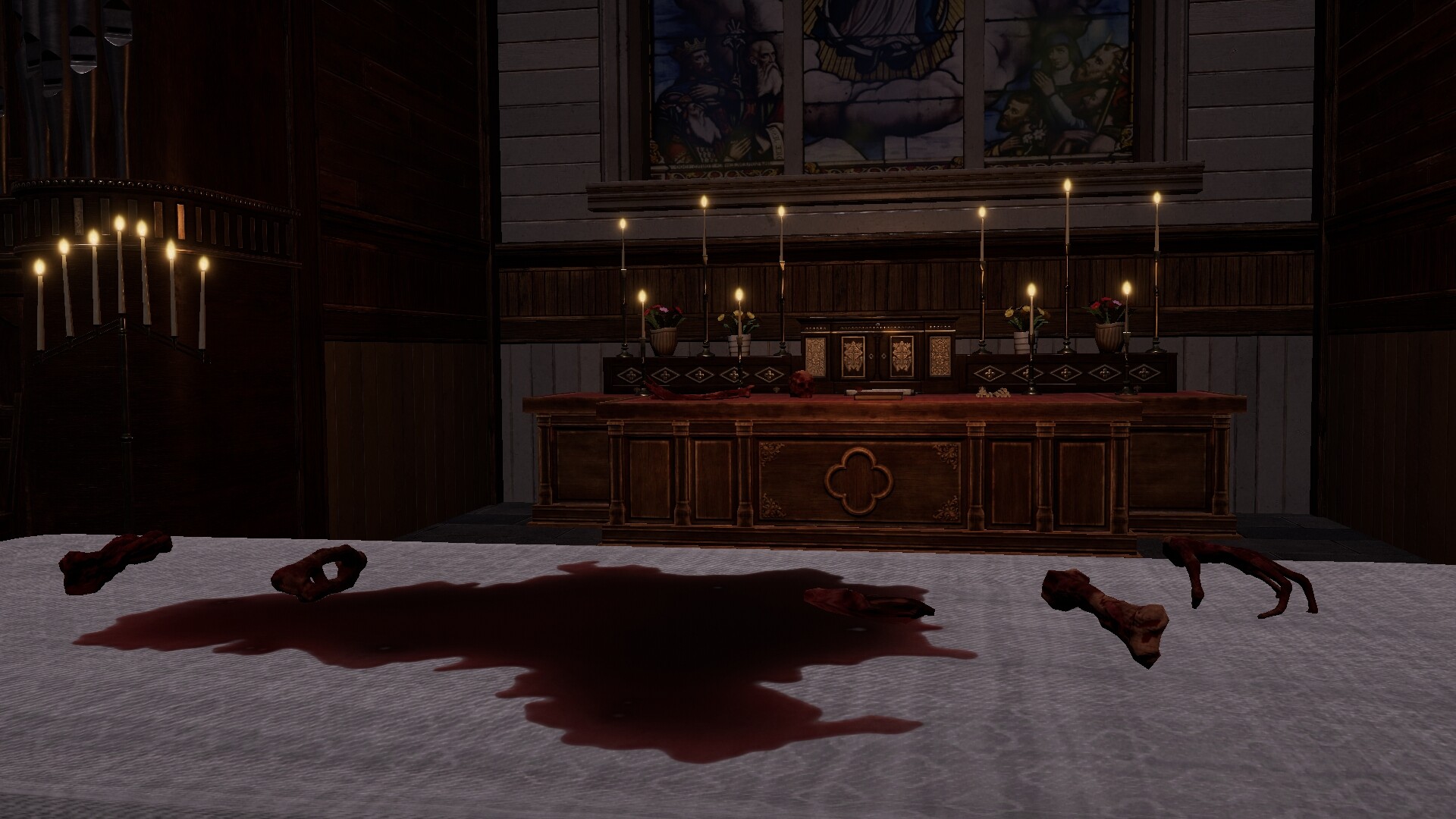
Trace of the Villa drops you into a remote, decaying mansion as Jin, a man following a trail of manifests and hints that may lead to his missing sister. The game frames investigation as layered environmental reading: restore systems, open secured compartments, and follow paper trails and encrypted fragments that reveal a deliberately erased history.

Quick facts
| Title | Trace of the Villa |
|---|---|
| Steam AppID | 3483660 |
| Release date | 28 May, 2026 |
| Developer | Steadyturtle Co., Ltd. |
| Publisher | Steadyturtle Co., Ltd. |
| Genres | Action, Adventure, Indie |
| Categories | Single-player; Color Alternatives; Custom Volume Controls; Playable without Timed Input; Subtitle Options; Family Sharing |
| Steam store | Trace of the Villa on Steam |
| Reviews (Steam) | No user reviews |
Who this is for
If you enjoy slow‑burn suspense and puzzle systems that reward close, methodical reading of environments, Trace of the Villa is aimed at you. Players who prefer narrative puzzle design — where each solved lock or recovered document opens a new chain of clues rather than just a new room — will find the mansion setup familiar and satisfying. It’s less about twitch skill and more about observation, logic and the patience to stitch fragments into a timeline.
What the game is
Officially described on Steam as an investigation led by Jin, Trace of the Villa places you inside a property that looks “less abandoned than erased.” Restoring power reveals secured systems and hidden compartments; safes yield encrypted documents and suspicious transfer records. The game blends atmospheric investigation with action‑adventure framing (it’s listed under Action, Adventure, Indie) and emphasizes clue‑driven exploration and environmental storytelling.
When and where
Trace of the Villa released on 28 May, 2026 and is available on Steam for PC. The Steam store page is the place to wishlist, check system requirements, and follow updates.
Why the mansion theme matters — locked‑room thinking and clue chains
Mansion settings condense story, objects and people into a confined geography, which makes locked‑room reasoning natural: closed doors, altered records, and rooms that feel “erased” force you to treat the environment itself as testimony. Trace of the Villa uses that compression to build chains of evidence — a recovered manifest leads to a power switch, that switch restores a control panel that in turn exposes an encrypted ledger. That sequence design emphasizes reading spaces like documents: what’s where, what’s been removed, and what is being hidden.
How you progress: reading the environment, following threads
The official description spells out the central loop: restore systems, unlock secured areas, and gather fragments that suggest a larger operation. Progress is driven by connecting fragments — manifests, transfer records, and encrypted documents — rather than by purely mechanical puzzles or combat. Because identities and photographs are deliberately absent, much of the gameplay is inference: deduce timelines from objects, reconstruct movements from false records, and decide which leads are worth pursuing.
Player scenarios — should you wishlist it?
Scenario A — You love methodical, atmospheric investigation
Wishlist. If your ideal session involves cataloguing small details, restoring circuitry, and following a paper trail from safe to safe, Trace of the Villa matches that appetite. The mansion’s dense props and the promise of encrypted fragments reward patient assemblers.
Scenario B — You want high‑tempo puzzles, physics interactions, or co‑op
Pass. The game’s emphasis is on single‑player environmental investigation and narrative puzzle design. If you prefer tactile room manipulation and online co‑op escape‑room play, other titles may be a better fit.
Scenario C — You play for story tone and slow revelations
Wishlist. The premise revolves around Jin’s search and a house that “feels less abandoned than erased.” Players who accept slow, cumulative reveals and psychological investigation will likely appreciate the pacing and tone.
How it compares — concise editorial side‑by‑side
| Title | Genre / Focus | Atmosphere & Tone | Puzzle / Exploration Style | Player fit |
|---|---|---|---|---|
| Trace of the Villa | Action, Adventure, Indie — story‑led investigation | Mansion mystery; erased identities; slow‑burn suspense | Clue chains, restoring systems, encrypted documents; single‑player | Methodical, narrative puzzle players who like environmental storytelling |
| The Room | Adventure, Indie — tactile puzzle‑box | Intimate, mechanical mystery | Physical puzzle boxes and mechanisms; focused puzzle choreography | Players who enjoy handcrafted, object‑centric puzzles |
| The Room Two | Adventure, Indie — extended puzzle rooms | Cryptic, atmospheric progression | Sequence of interlocking rooms and devices; puzzle focus | Fans of sustained, self‑contained puzzle chapters |
| Escape Simulator | Adventure, Casual, Indie — interactive escape rooms | Varied by room; community content ranges from playful to tense | Highly interactive object physics, co‑op support, level editor | Players who want sandboxed room interaction and co‑op/community content |
| Hi‑Fi RUSH | Action — music‑synced combat/adventure | Energetic, stylized, upbeat | Combat and rhythm systems, not puzzle‑driven exploration | Players seeking action and rhythm‑based gameplay rather than mystery puzzles |
These comparisons focus on genre, atmosphere, puzzle emphasis and player fit rather than claims of superiority.
Trailer and further discovery
To find trailers and gameplay videos on YouTube, search using this query
YouTube discovery
For trailer and gameplay discovery, use YouTube search rather than relying on unverified embeds: Find Trace of the Villa trailer and gameplay searches on YouTube.
Leave a Reply