
Trace of the Villa — a slow-burn mansion mystery built around locked-room thinking
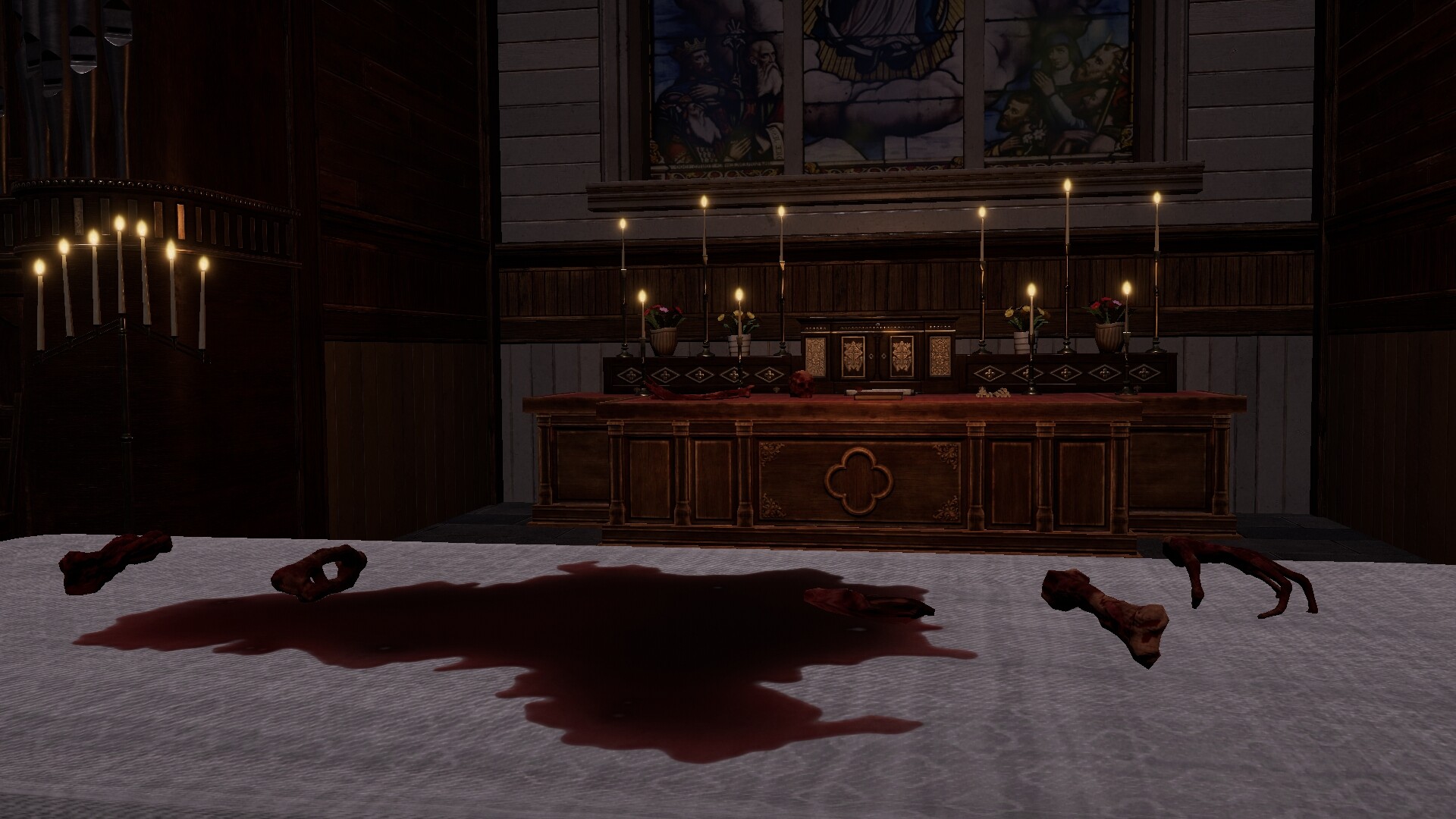
Steadyturtle Co., Ltd.’s Trace of the Villa (released 28 May, 2026) sets a household-scale investigation inside a remote, decaying mansion where the protagonist Jin recovers manifests and hints that his missing sister may still be alive. The Steam page frames this as an atmospheric, clue-driven adventure that rewards environmental reading and methodical puzzle-chaining more than twitch reactions.

Who this is for
If you prefer atmospheric mystery adventure on PC that emphasizes methodical clue linking and environmental storytelling, Trace of the Villa is aimed at you. The Steam metadata lists it under Action, Adventure, Indie and tags it single-player with accessibility options like color alternatives, custom volume controls, subtitle options, and “playable without timed input” — all signals that the game favors careful observation and puzzle time over reflex-based challenge. Wishlist it if you enjoy slow-burn suspense, inspection-heavy rooms, and narrative puzzles where reading the scene matters.
What Trace of the Villa is
Official premise: Jin has spent years searching for his missing sister. A lead takes him to an off-grid, deliberately forgotten mansion where rooms look as if occupants vanished mid-routine. Restoring power uncovers secured systems, hidden compartments and safes containing encrypted documents and suspicious transfer records. The page frames progression as unlocking layers of a concealed operation rather than simple item-collection — expect manifests, fragments of financial trails, falsified identities, and a timeline you assemble by reading environments and decrypting fragments.
When and where
Trace of the Villa is available on Steam (PC) with a release date of 28 May, 2026. Developer and publisher are Steadyturtle Co., Ltd. The Steam store listing emphasizes single-player play and a set of accessibility options useful to slow, investigative players.
Why the mansion setting matters here
Mansion mysteries work well for locked-room thinking because they compress many distinct, clue-rich spaces into one coherent location. Trace of the Villa uses that compression to make every object, locked door, and powered system feel consequential; restoring utilities changes what you can inspect, and solving one puzzle unlocks more narrative context. That architecture supports chained puzzles — a safe yields a manifest; a manifest points to an account; an account points to a hidden room — and it rewards players fluent in environmental reading.
How you progress — the puzzle and clue systems
The Steam description highlights concrete mechanics you should expect: restoring power, bringing secured systems back online, opening hidden compartments and safes, and recovering encrypted fragments and manifests. That indicates a flow built on these behaviours:
- Observe rooms for anomalies (missing photographs, odd arrangements) and mark them as potential clues.
- Restore or enable systems to change the environment (power, locks), then re-examine newly accessible areas.
- Assemble clue chains from physical evidence and documents (manifests, transfer records) to reconstruct a timeline.
- Decrypt or interpret fragments to open the next area or puzzle — the game stages reveal gradually rather than all at once.
Practical player scenarios — who will enjoy Trace of the Villa
- Investigation-first players: You like to read notes, trace paper trails and feel rewarded for assembling a timeline. The Steam pitch centers on manifests and records, which suits this audience.
- Environmental storytellers: You value rooms that tell part of the story through objects and layout. The mansion’s “erased” identities and intact personal items are designed for players who infer narrative from space.
- Puzzle collectors who dislike timers: With “playable without timed input” in the categories, the game is appropriate for players who want deliberate problem solving rather than speed runs.
- Accessibility-conscious players: Color alternatives, custom volume controls and subtitles are listed, useful if you need those options to focus on puzzle cues.
Compact facts — Trace of the Villa
| Title | Trace of the Villa |
|---|---|
| Steam App ID | 3483660 |
| Release date | 28 May, 2026 |
| Developer | Steadyturtle Co., Ltd. |
| Publisher | Steadyturtle Co., Ltd. |
| Genres | Action, Adventure, Indie |
| Categories (selected) | Single-player; Color Alternatives; Custom Volume Controls; Playable without Timed Input; Subtitle Options; Family Sharing |
| Official short description | Jin has spent years searching for his missing sister, pursuing leads that took him to a remote, decaying mansion where he recovered manifests and hints that indicate his sister may still be alive. |
Comparison: where Trace of the Villa sits among similar puzzle/mansion experiences
Below is a focused editorial comparison on lawful criteria: genre, atmosphere, puzzle focus, exploration style, pacing and the type of player who’ll get the most from each title.
| Title | Genre / Tone | Puzzle focus | Exploration style | Pacing | Player fit |
|---|---|---|---|---|---|
| Trace of the Villa | Action / Adventure / Indie — atmospheric mansion mystery | Document-driven, locked doors, safes, encrypted fragments | Single-location mansion; environmental reading and systems restoration | Slow-burn; staged reveals as power/systems return | Players who prefer investigation, narrative puzzle chaining, no timed inputs |
| The Room | Adventure / Indie — intimate mechanical mystery | Intricate object puzzles and mechanical safes | Focused-room-to-room progression around devices | Measured, puzzle-centric | Players who enjoy tactile puzzle boxes and close-up mechanical puzzles |
| The Room Two | Adventure / Indie — expanding mechanical and atmospheric puzzles | Complex, multi-stage puzzle devices with layered secrets | Multiple distinct locations linked by puzzle devices | Deliberate and gradually unfolding | Fans of The Room who want more scale while keeping device-driven puzzles |
| Escape Simulator | Adventure / Casual / Indie — interactive escape-room simulation | Highly interactive object use, physical manipulation, community rooms | Modular escape rooms; both solo and cooperative play | Variable — can be brisk or exploratory depending on room | Players who like physical interaction, sandbox puzzle solving and co-op |

How to decide — quick checklist
- Want careful, document-led investigation in a single, interlinked location? Trace of the Villa is a match.
- Prefer device-centric puzzle boxes like The Room? Expect less mechanical tinkering and more reading of records and scene context here.
- Like co-op or community-made rooms? Escape Simulator offers far more interactivity and social play; Trace of the Villa is single-player-focused.
YouTube / trailer discovery
If you want to see footage before deciding, use the Steam-provided YouTube discovery path: Search Trace of the Villa trailer/gameplay on YouTube. This link is for search/discovery; consult the Steam page for official videos or the developer’s confirmed uploads.
View Trace of the Villa on Steam
Disclaimer: Referenced titles and trademarks belong to their respective owners. Comparisons are editorial discovery, not endorsements. All in-article facts about Trace of the Villa come from its official Steam store listing; no unverifiable claims are made.
Leave a Reply