
Trace of the Villa — a mansion mystery built around locked‑room thinking and environmental clue chains
Trace of the Villa drops you into a decaying, off‑grid mansion where Jin—searching for his missing sister—restores power and teases apart hidden systems, encrypted documents, and locked compartments. Released on 28 May, 2026 by Steadyturtle Co., Ltd., the game leans on atmospheric puzzle exploration and narrative investigation rather than fast reflexes.

Quick facts
| Title | Trace of the Villa |
|---|---|
| Steam AppID | 3483660 |
| Release date | 28 May, 2026 |
| Developer | Steadyturtle Co., Ltd. |
| Publisher | Steadyturtle Co., Ltd. |
| Genres | Action, Adventure, Indie |
| Key categories / accessibility | Single‑player; Playable without Timed Input; Subtitle Options; Color Alternatives; Custom Volume Controls; Family Sharing |
| Short premise | Jin investigates a remote, decaying mansion and uncovers manifests and hints that his missing sister may still be alive. |
Who this is for
If you gravitate toward story‑rich adventures built on environmental storytelling and methodical puzzle chains, Trace of the Villa is aimed at you. The Steam page flags it as single‑player and explicitly lists “Playable without Timed Input,” which signals a slow‑burn, deliberate puzzle pace suited to players who prefer reading an environment and solving layered clues rather than twitch reflexes. Accessibility features like subtitles, color alternatives, and custom volume controls make it a reasonable fit for PC players who need those options.
What the game does — from the Steam description
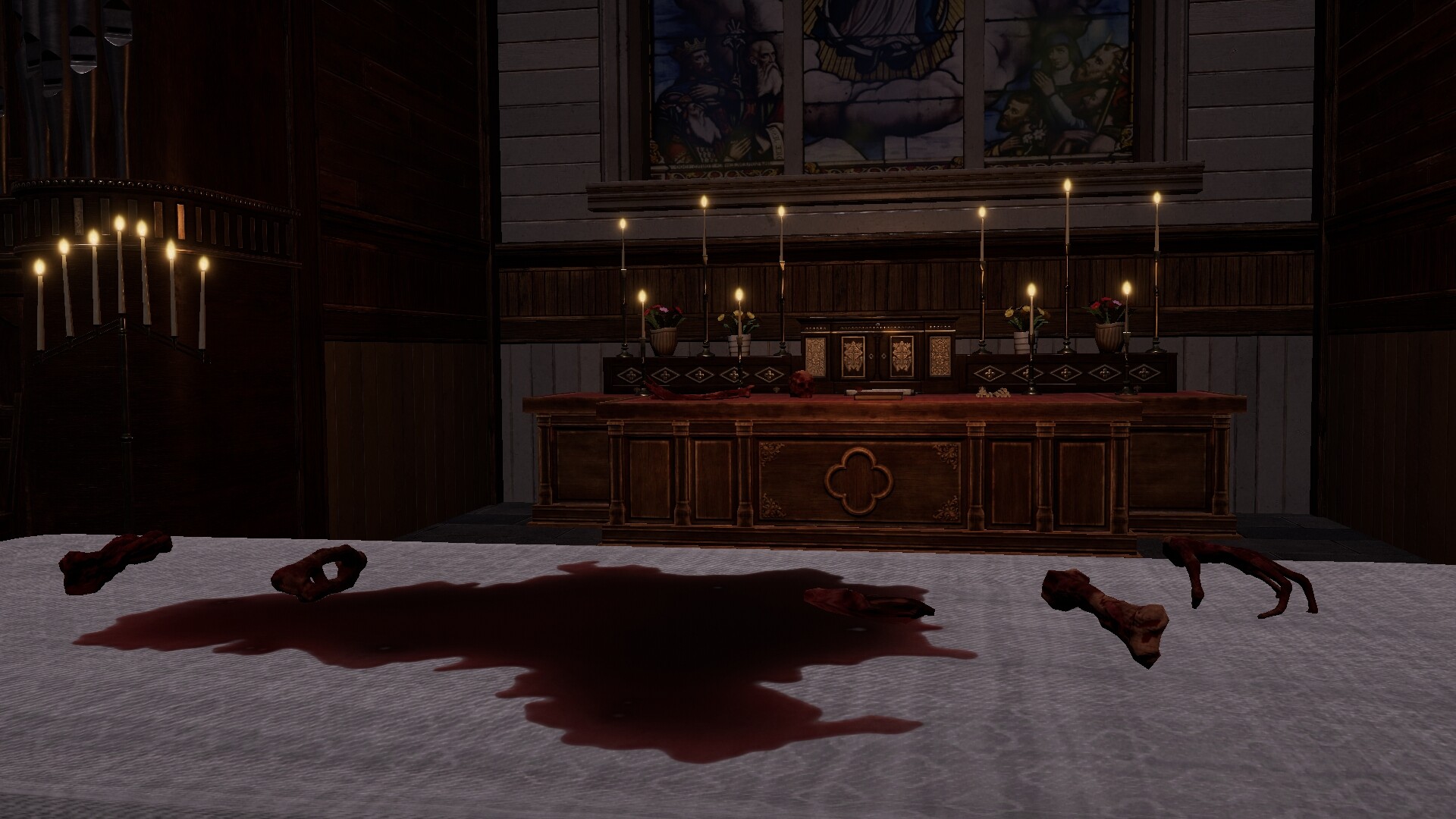
According to the official Steam description, Jin’s search leads him to a property “cut off from the grid and deliberately forgotten.” Restoring power to the estate is a gameplay beat: when systems come back online, “hidden compartments unlock” and “safes yield fragments of encrypted documents and suspicious transfer records.” The house presents itself as less abandoned than erased—furnished rooms, locked doors, missing identifying artifacts—so much of the puzzle design rests on reading absence as much as presence.

When and where — Steam launch context
Trace of the Villa released on Steam on 28 May, 2026. It is distributed on Steam as a PC title; the store page lists its genres as Action, Adventure, and Indie and provides the short and longer official descriptions used above. If you’re deciding whether to wishlist or buy, the store page is the canonical source for platform and configuration details.
Why the mansion puzzle matters — design and tone
Mansion mysteries work well for locked‑room thinking because they naturally limit scope while offering a dense set of environmental cues: locked doors, power systems, safes, and personal effects that are intentionally incomplete. Trace of the Villa’s premise—identities removed, records falsified, and encrypted fragments—pushes puzzle design toward chaining: solve X to power Y, which reveals Z, which decodes a document that reframes why a later room is set up the way it is. That structure privileges observation, pattern detection, and connecting apparently trivial artifacts into a coherent timeline.
How progression and clue‑reading work
From the official store text: restoring power is a key mechanical hook. Expect a sequence where reactivating estate systems reveals compartments, safes, and digital fragments that must be interpreted in context. The game frames discovery as building a timeline—finding manifests, transfer records, and falsified identities—that gradually reveals the mansion’s role in a larger operation. Because timed input is not required, the gameplay favors careful inspection and iterated problem solving: test a hypothesis, gather a document or mechanic result, then use that new evidence to open the next pathway.
Player scenarios — will you enjoy Trace of the Villa?
- If you love slow, narrative puzzle design: You’ll appreciate the investigative pace and the emphasis on documents and systems that change the house as you power them back up.
- If you prefer twitchy action or co‑op sandboxes: This is not primarily built for online multiplayer or fast reflex combat—its Steam categories emphasize single‑player and exploration mechanics.
- If accessibility matters: The store lists subtitle options, color alternatives, and custom volume controls, plus “Playable without Timed Input”—useful signals for players who need or prefer those options.
- If you enjoy environmental storytelling and clue chaining: The premise (missing photographs, erased identities, encrypted records) suggests a game that rewards careful note‑taking and cross‑referencing clues across rooms.
How it compares to nearby mystery and puzzle experiences
Below is a concise editorial comparison focused on genre, atmosphere, puzzle emphasis, exploration style, and pacing. These are neutral, fact‑based points drawn from each title’s Steam listing or official descriptions.
| Title | Genre(s) | Puzzle focus | Exploration style | Pacing / Tone |
|---|---|---|---|---|
| Trace of the Villa | Action, Adventure, Indie | Clue chains, locked compartments, encrypted documents (environmental + system reactivation) | Single‑player mansion exploration; progression through restored systems | Slow‑burn, investigative, atmospheric |
| The Room | Adventure, Indie | Mechanical puzzle boxes and single‑room escape puzzles (store description) | Focused, contained environments—puzzle box rooms | Intimate, tactile puzzle tension |
| The Room Two | Adventure, Indie | Sequential puzzle boxes and layered mechanical devices | Expands to connected spaces but retains object‑based puzzle design | Mysterious, deliberately paced puzzle progression |
| Escape Simulator | Adventure, Casual, Indie, Simulation | Highly interactive object puzzles; community rooms and level editor | Room‑based escape experiences; supports solo and online co‑op | Variable—often playful and experimental due to community content |
| Hi‑Fi RUSH | Action | Combat and rhythm‑synchronized challenges rather than environmental puzzles |
Leave a Reply