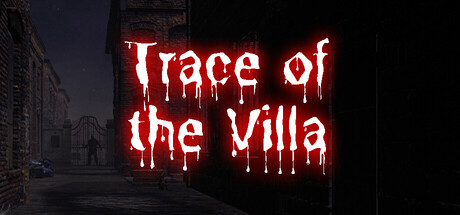
Trace of the Villa: a narrative puzzle adventure built around clue reading and object logic
Trace of the Villa puts you in the shoes of Jin, a man following a cold lead to a remote, decaying mansion where recovered manifests and fragmented records suggest his missing sister may still be alive. Released on 28 May, 2026 by Steadyturtle Co., Ltd., it mixes environmental storytelling, locked-room puzzles, and document-based clue work to shape a slow-burn, investigation-first experience.

Who this game is for
Trace of the Villa targets players who prefer story-first puzzle adventures and methodical clue reading over twitch reactions. If you like atmospheric mystery adventure, environmental storytelling, psychological investigation, and puzzles that unlock narrative fragments rather than instant setpieces, this aligns with that taste. The Steam page lists genres as Action, Adventure, Indie and categories including Single-player, Color Alternatives, Custom Volume Controls, Playable without Timed Input, Subtitle Options, and Family Sharing — useful accessibility touches for patient, investigative players.
What the game actually is
Officially described on Steam, Trace of the Villa follows Jin as he investigates a property “cut off from the grid and deliberately forgotten.” Inside the mansion, rooms look as if occupants vanished mid-routine; locked doors and encrypted documents slowly reveal a concealed operation of falsified identities and people moved under strict control. In practical terms the narrative unfolds through restored power, systems coming back online, hidden compartments unlocking, and safes yielding fragments of encrypted material — puzzle beats that are explicitly tied to story progression on the Steam page.
When and where
Trace of the Villa released on 28 May, 2026 and is available on Steam for PC. If you want to wishlist or view the store page directly, use the official Steam listing: Trace of the Villa on Steam.
Why the theme matters to players who care about story puzzles
The premise — searching for a missing sister inside a mansion that seems intentionally stripped of identity — frames every puzzle as an act of recovery. Because many discoveries are documents, manifests, and encrypted fragments, the game rewards careful reading and pattern-matching across different object types. That design choice pushes the emotional stakes higher: you are not just solving abstract riddles, you are reconstructing people’s movements and motives from scattered traces.
How you progress: clue reading, object logic, and story puzzles
Trace of the Villa stages progression through a mix of environmental interactions and document-based clues described on the Steam page. Restoring power reactivates secured systems; hidden compartments and safes open to reveal manifests and encrypted records. That sequence suggests a gameplay loop where physical puzzles (finding keys, restoring circuits, opening compartments) and intellectual puzzles (decoding transfers, connecting names and dates) feed one another. Players who enjoy mapping connections between objects, reading small details on found documents, and using those details to unlock new areas will find that loop central to the experience.


Compact facts: Trace of the Villa
| Title | Trace of the Villa |
|---|---|
| Developer / Publisher | Steadyturtle Co., Ltd. |
| Release date | 28 May, 2026 |
| Genres | Action, Adventure, Indie |
| Steam categories / accessibility | Single-player; Color Alternatives; Custom Volume Controls; Playable without Timed Input; Subtitle Options; Family Sharing |
| Steam store | Store page |
How it compares — editorial discovery table
| Title | Puzzle focus | Atmosphere / tone | Exploration style | Pacing / story delivery | Player fit |
|---|---|---|---|---|---|
| Trace of the Villa | Document-driven clues, object logic, locked compartments and systems | Slow-burn mansion mystery, psychological and procedural unease | Room-by-room investigation tied to puzzle unlocking | Methodical; story revealed through recovered manifests and encrypted fragments | Players who like narrative puzzles and careful clue reading |
| The Room | Tactile mechanical puzzles focused on a single, self-contained device | Claustrophobic, uncanny object mystery | Linear, focused on central puzzle box environments | Compact and puzzle-centric; story emerges via notes and artifacts | Players who prefer tactile, object-based enigmas with tactile inventiveness |
| The Room Two | Expanded mechanical puzzles and setpieces across multiple locales | Dark, atmospheric, progressively uncanny | Linked rooms with evolving mechanical puzzles | Broader than the first — steady build across chapters | Players who enjoyed the first but want more varied mechanical challenges |
| Escape Simulator | Highly interactive escape-room mechanics, object manipulation | Playful to tense depending on room design (community content varies) | Room-based, often physics-driven interactions | Short, modular rooms with varied pacing; often community-made | Players who like hands-on manipulation and modular escape challenges, solo or co-op |
| Unpacking | Object placement and environmental inference (life-story via possessions) | Zen, domestic, quietly narrative | Non-linear room decoration with narrative through objects | Calm, vignYouTube discoveryFor trailer and gameplay discovery, use YouTube search rather than relying on unverified embeds: Find Trace of the Villa trailer and gameplay searches on YouTube. CommentsMore posts |
Leave a Reply