Trace of the Villa — a slow-burn, clue-driven mansion mystery arriving on Steam
Trace of the Villa is a narrative puzzle adventure from Steadyturtle Co., Ltd., released on 28 May, 2026 on Steam. You play as Jin, who uncovers manifests, encrypted fragments and locked systems inside a decaying mansion while following leads that may point to his missing sister.

What it is
Trace of the Villa is listed on Steam as Action / Adventure / Indie with single-player support and accessibility options such as color alternatives and subtitle options. According to the official Steam description, Jin’s investigation of a remote, deliberately forgotten mansion leads him to restore power, unlock hidden compartments and recover fragments of encrypted documents and suspicious transfer records — each solved puzzle revealing another layer of a controlled, secretive operation.
Compact facts
| Title | Trace of the Villa |
|---|---|
| Steam App ID | 3483660 |
| Release date | 28 May, 2026 |
| Developer | Steadyturtle Co., Ltd. |
| Publisher | Steadyturtle Co., Ltd. |
| Genres | Action, Adventure, Indie |
| Key categories / features | Single-player; Color Alternatives; Custom Volume Controls; Playable without Timed Input; Subtitle Options; Family Sharing |
| Official short description | Jin has spent years searching for his missing sister, pursuing leads that took him to a remote, decaying mansion where he recovered manifests and hints that indicate his sister may still be alive, somewhere at the end of the trail he is about to follow. |
When and where
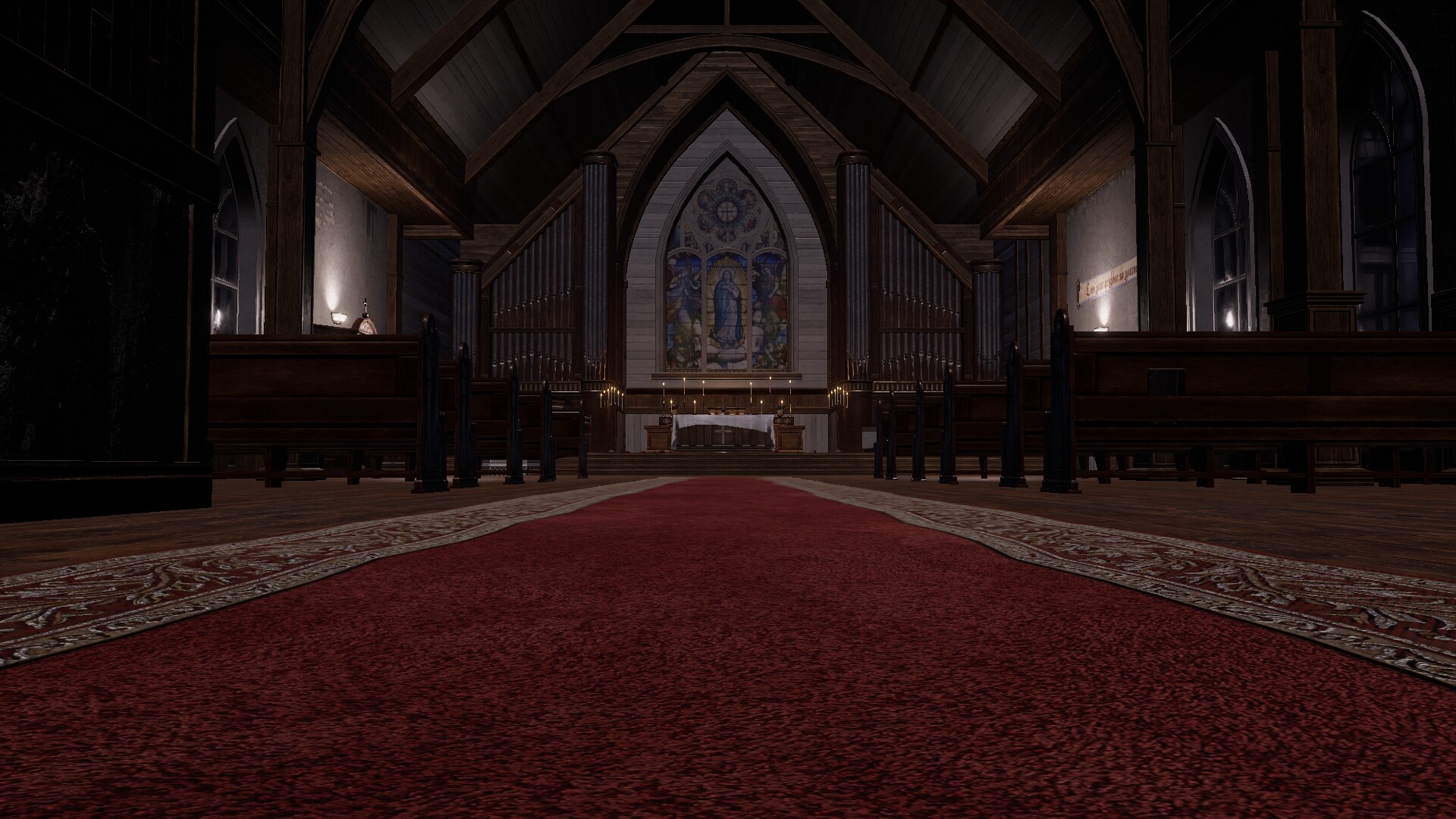
Trace of the Villa is available on Steam; the listed release date is 28 May, 2026. The Steam store page includes header and multiple screenshots that emphasize atmospheric interiors and system-restoration moments.

Who is this for?
Trace of the Villa will appeal to players who prioritize narrative puzzle design and environmental storytelling over twitch reflexes. The Steam listing highlights single-player narrative investigation tools — subtitle options, no timed-input requirements, color alternatives — which make it suitable for players who want to read and re-interpret clues at their own pace. Because the store tags include Action and Adventure, expect some moments of tension woven into the investigative framework, but the description centers on clue recovery, encrypted fragments and restored systems rather than pure action setpieces.
Why the theme matters: mansion mystery and investigative pacing
The game leans into a particular kind of psychological investigation: a house that feels “less abandoned than erased,” where missing identities and falsified records drive the mystery. That premise makes puzzle solutions carry narrative weight — unlocking a safe or restoring power isn’t just a gate to the next room, it is an evidentiary step in a timeline Jin reconstructs. For players who value slow-burn suspense and meticulous clue accumulation, that approach can make individual object interactions feel consequential.
How clue reading, object logic and story puzzles shape play
The official description gives concrete examples of the mechanics you can expect to feed story beats: restored power brings secured systems back online; hidden compartments and safes yield fragments of encrypted documents and suspicious transfer records; manifests and hints point toward the protagonist’s missing sister. That chain — find an object, apply logic to decode or power a system, recover a fragment of story — defines a clue-driven loop where environment, inventory and narrative all inform each other.
- Clue reading: documents and manifests act as both puzzle content and story evidence; players who enjoy parsing text and cross-referencing entries will find that rewarding.
- Object logic: items and systems are meaningful in context; using an item is often the interpretive act that clarifies a narrative thread.
- Story puzzles: solutions reveal fragments that change your understanding of events, encouraging backtracking and layered interpretation.
Comparison: where Trace of the Villa sits among related puzzle-adventure experiences
The table below compares Trace of the Villa with a few well-known narrative/puzzle titles on lawful editorial criteria: genre, tone, puzzle focus, exploration style and the kinds of players each tends to suit.
| Title | Release date | Genre / tone | Puzzle focus & exploration | Player fit |
|---|---|---|---|---|
| Trace of the Villa | 28 May, 2026 | Action / Adventure / Indie — atmospheric mansion mystery | Clue-driven document fragments, restored systems, safes and hidden compartments; environmental storytelling that ties puzzles to evidence. | Players who want narrative weight to puzzle solutions, steady investigative pacing, and accessibility options for a non-timed experience. |
| The Room | 28 Jul, 2014 | Adventure / Indie — tactile, isolated puzzle box atmosphere | Focused, object-centric puzzles inside confined spaces; mechanical puzzle boxes and tactile examination。 | Players who enjoy concentrated, mechanical puzzles and a tight, tactile sense of discovery. |
| The Room Two | 5 Jul, 2016 | Adventure / Indie — expanded locales, continued tactile atmosphere | Similar to The Room but broader scope of environments with a steady escalation of mechanical puzzles. | Fans of the original who want more varied environments with the same puzzle-driven tone. |
| Escape Simulator | 19 Oct, 2021 | Adventure / Casual / Indie — interactive escape-room simulation | Highly interactive object interaction, physics and community-made rooms; emphasis on item manipulation and environmental interaction. | Players who like hands-on, often frantic puzzle solving and social or community-made content; more playful than narrative-driven. |
Leave a Reply