
Trace of the Villa — a narrative puzzle adventure built around clue reading and object logic
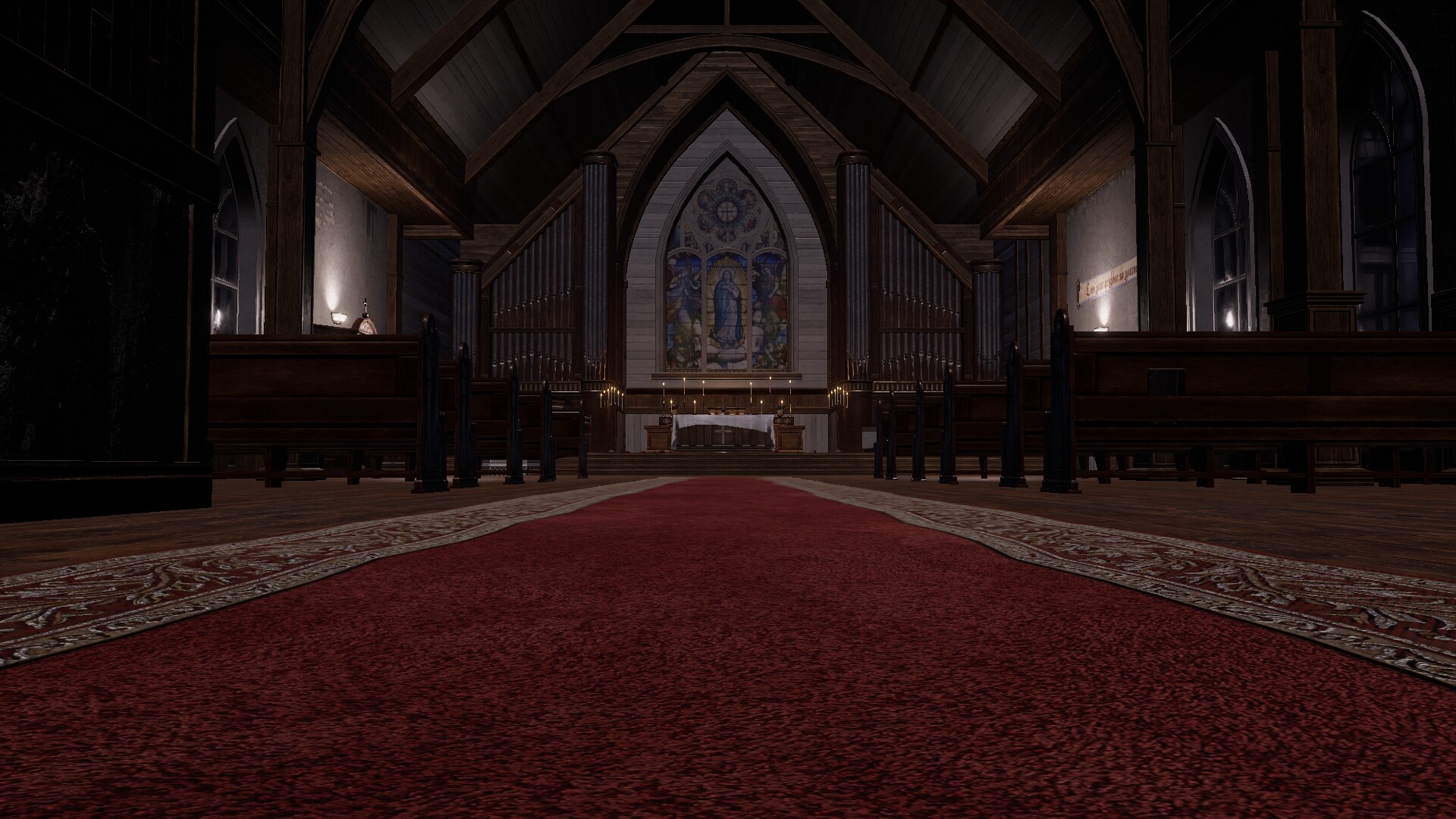
Trace of the Villa is an atmospheric mystery adventure about Jin, a man following faint manifests and hints through a decaying, isolated mansion to find his missing sister. Released on 28 May, 2026, the game from Steadyturtle Co., Ltd. blends environmental storytelling with locked systems, encrypted fragments and safe-room reveals to shape a slow-burn investigative experience.

What the game is
Trace of the Villa positions itself as a story-rich, clue-driven exploration set inside a deliberately forgotten mansion. According to the Steam listing, Jin restores power and begins to uncover hidden compartments, safes and fragments of encrypted documents that point toward falsified identities and financial trails. The game is listed under Action, Adventure, Indie and ships with Single-player, Color Alternatives, Custom Volume Controls, Playable without Timed Input, Subtitle Options and Family Sharing on Steam.
Who it’s for
- Players who prize narrative puzzle adventures where reading clues, inventory logic and connecting small details matter more than reflexes.
- Fans of slow-burn suspense and environmental storytelling — people who enjoy piecing together a timeline from objects, manifests and system logs.
- PC/Steam players who prefer single-player investigative experiences with accessibility options (subtitles, color alternatives) and no timed-input requirements.
When and where
Trace of the Villa launched on 28 May, 2026 and is available on Steam for PC. The developer and publisher listed on the store page are Steadyturtle Co., Ltd.
Why the theme matters
The game’s premise — a mansion where identity and records appear erased — turns typical object puzzles into narrative instruments. Instead of puzzles existing solely for mechanical satisfaction, each solved lock, restored system or uncovered document feeds the story, reframing ordinary items (manifests, transfer records, safes) as evidence. That narrative weight makes every clue feel consequential: puzzles don’t just gate progression, they change how you interpret the mystery.
How clue reading and object logic shape progression
From the official description: when Jin restores power, secured systems come back online and safes yield encrypted documents. That setup implies a puzzle loop built around three complementary actions:
- Careful observation — scanning rooms for subtle, narrative cues rather than obvious puzzle widgets.
- Object logic — using collected items and manifest fragments together to unlock systems or decode records.
- Story synthesis — arranging discovered facts and timelines into a working hypothesis about arrivals, departures and falsified identities.
Players who enjoy journaling clues, tracking inconsistencies, and returning to earlier rooms with new context will find that pattern rewarding; the mansion’s revelations are layered so that a solved puzzle often recasts earlier scenes.

Quick facts
| Title | Trace of the Villa |
|---|---|
| Release date | 28 May, 2026 |
| Developer / Publisher | Steadyturtle Co., Ltd. |
| Genres | Action, Adventure, Indie |
| Key Steam categories | Single-player; Color Alternatives; Custom Volume Controls; Playable without Timed Input; Subtitle Options; Family Sharing |
| Steam store | Trace of the Villa on Steam |
How it compares — editorial side-by-side
Below is a compact comparison against three different puzzle-mystery approaches to help decide if Trace of the Villa fits your tastes.
| Title | Atmosphere | Puzzle focus | Exploration style | Pacing / Story tone | Player fit |
|---|---|---|---|---|---|
| Trace of the Villa | Mansion mystery; slow-burn suspense | Clue reading, object logic, encrypted fragments and system restoration | Mansion-scale rooms, systems that unlock as you restore power | Measured investigative pacing; narrative reveals reshape earlier scenes | Players who want narrative-driven puzzle investigation |
| The Room | Claustrophobic, mechanical | Tactile puzzle boxes and mechanical contraptions | Single-room/linked scenes focused on the box | Focused puzzle tension; cryptic, atmospheric | Fans of tactile, puzzle-box experiences |
| Escape Simulator | Interactive escape-room feel | Object interaction, physics, environmental puzzles | Highly interactive rooms; supports community-made content and co-op | Fast to variable tempo depending on room | Players who like hands-on, social or sandbox escape puzzles |
| Unpacking | Zen, domestic, intimate | Item placement as narrative device | Series of vignette rooms tied to life events | Gentle, contemplative; story revealed through possessions | Players who prefer slow, story-through-items experiences |
Player scenarios — will you enjoy Trace of the Villa?
- If you annotate and cross-reference clues: Expect to take notes mentally (or on paper). The payoff is interpretive—documents and manifests often recontextualize other discoveries.
- If you prefer clear, self-contained puzzles: The game still offers object-based locks and safes, but many puzzles serve the broader narrative rather than being standalone set-pieces.
- If you prioritize accessibility and low-pressure play: The Steam listing notes subtitle options, color alternatives and a “playable without timed input” category — useful if you favor thoughtful pacing over twitch mechanics.
- If you like world-building through found records: Trace of the Villa centers on falsified identities and financial trails; those who read story through documents will likely be rewarded.
Leave a Reply