Who should consider Trace of the Villa after finishing an atmospheric mansion mystery?
Trace of the Villa is a slow-burn, clue-driven investigation set in a remote, decaying mansion where Jin searches for his missing sister. If you favor environmental storytelling, tense exploration and narrative puzzle design on PC, this title — released 28 May, 2026 — deserves a close look.

| Title | Trace of the Villa |
|---|---|
| Release date | 28 May, 2026 |
| Developer / Publisher | Steadyturtle Co., Ltd. |
| Genres | Action, Adventure, Indie |
| Categories (Steam) | Single-player; Color Alternatives; Custom Volume Controls; Playable without Timed Input; Subtitle Options; Family Sharing |
| Official premise | Jin searches for his missing sister and uncovers manifests and hints in a decaying mansion that suggest she may still be alive. |
Who is this for?
Players who prefer atmospheric mansion mysteries over fast-paced combat. If you enjoy guided investigation — piecing together encrypted documents, restoring estate systems, and following a personal narrative thread (here, Jin’s search for his sister) — Trace of the Villa fits the profile. Its Steam categories (Single-player, subtitle options, playable without timed input) point to a player experience focused on exploration and reading rather than reflex-based challenges.
What the game is
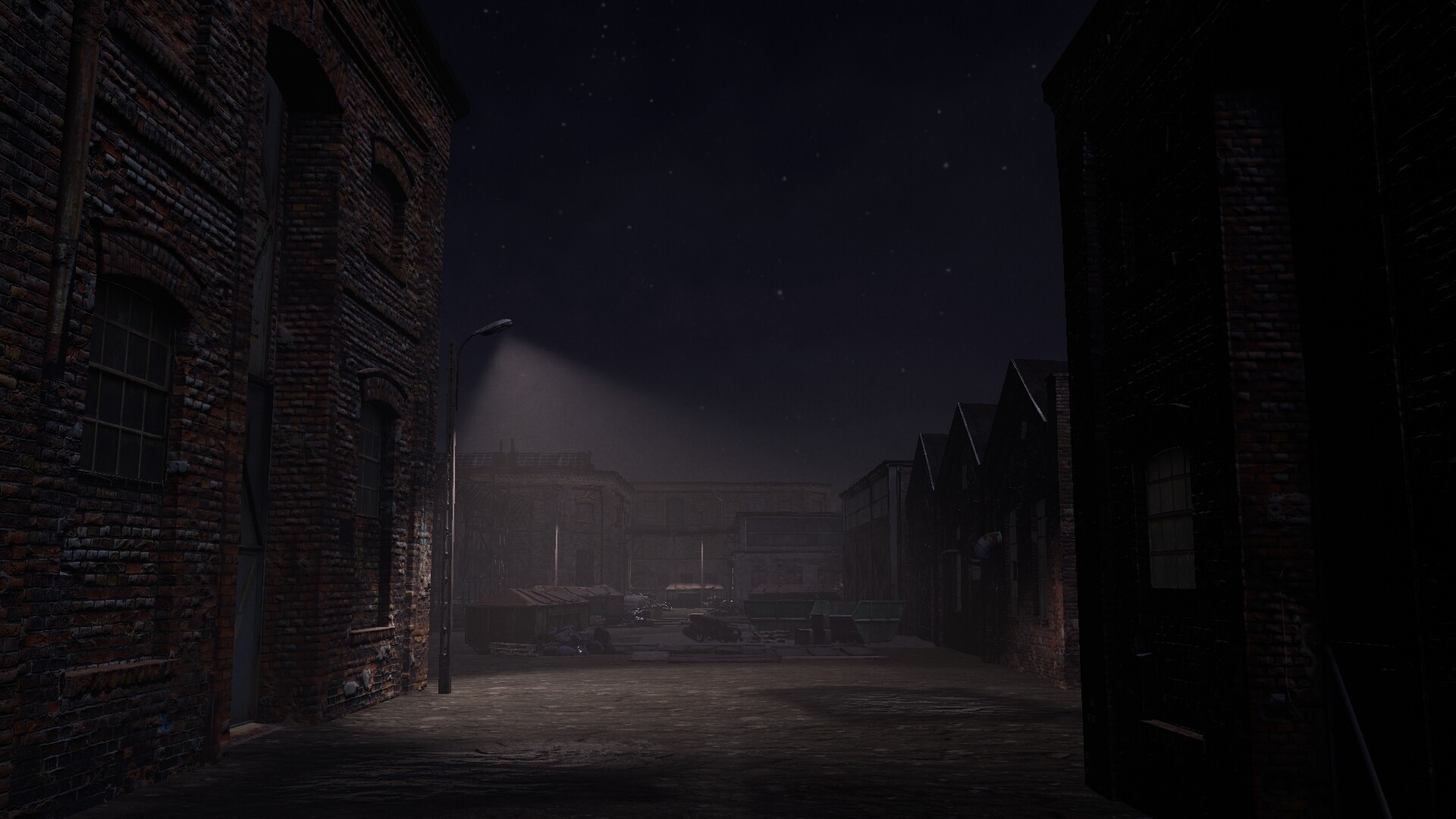
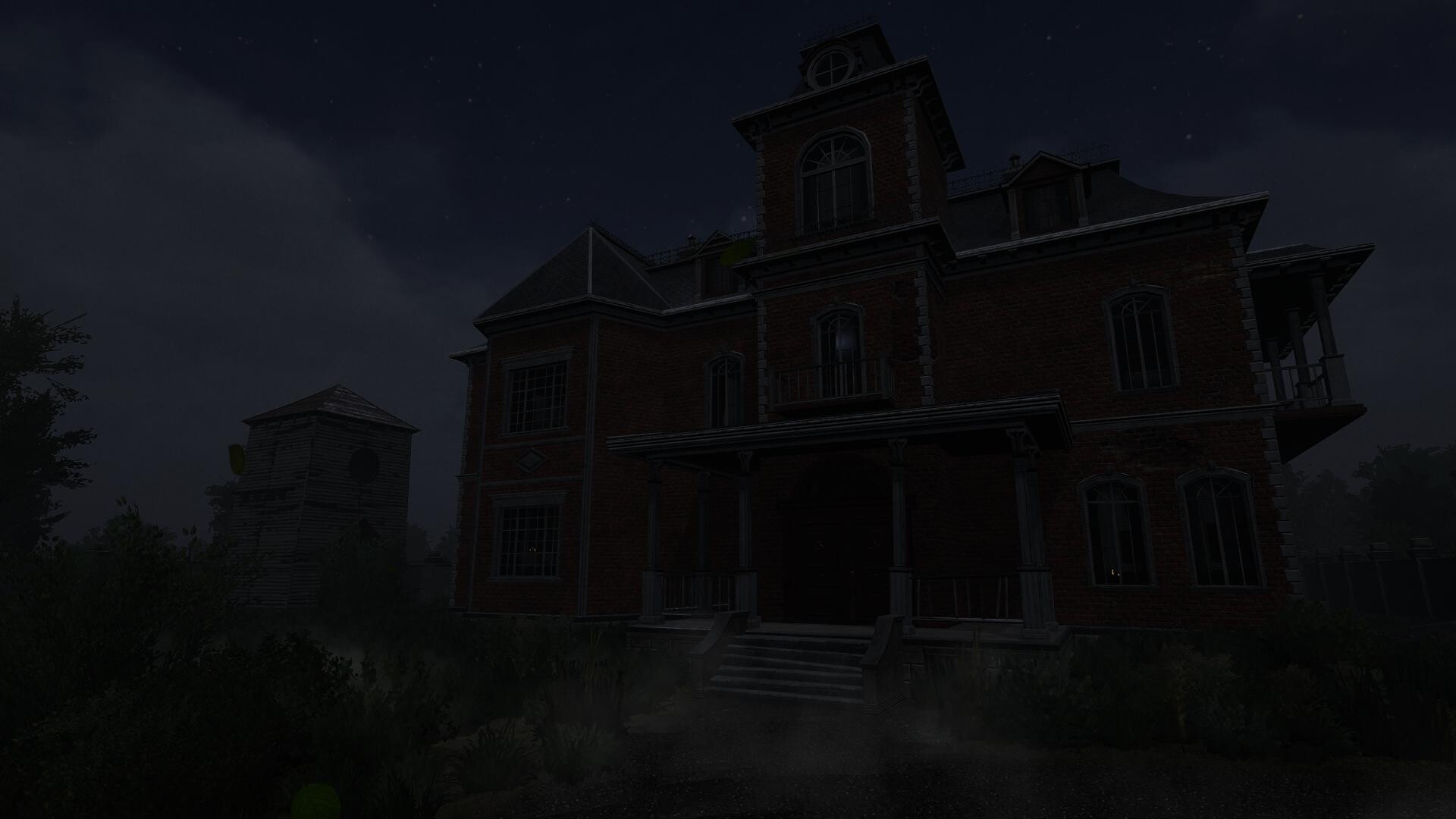
Trace of the Villa is an action-adventure indie on Steam where exploration and environmental storytelling drive progress. The official Steam text describes a mansion “cut off from the grid” with rooms left as if occupants vanished mid-routine; restoring power and unlocking systems reveals financial trails, falsified identities and tightly controlled movements. That mix of house-as-clue and scripted discoveries positions the game toward narrative puzzle design and investigative pacing.
When and where to play
The game launched on Steam on 28 May, 2026. It’s listed with Steam-friendly accessibility options like subtitle support and custom volume controls, and it’s available as a single-player experience compatible with Family Sharing.
Why the mansion setting matters
Mansion mysteries are effective because the space itself is a storyteller: furnishings, locked doors, and powered-up systems act as layered clues. Trace of the Villa uses that premise explicitly — the house feels “less abandoned than erased” and reveals its hidden operation as systems come back online. If you value slow-burn suspense and investigative beats that reward patience, the mansion-as-evidence motif will be central to your satisfaction with the game.
How you progress
Progression is clue-driven. The Steam description cites restoring power, unlocking hidden compartments, and decrypting documents as core beats — meaning you’ll rely on observation, puzzle-solving and narrative assembly more than fast reactions. The “Playable without Timed Input” category also suggests puzzles are approachable for players who prefer methodical play.
Player scenarios — who should wishlist it?
- If you liked slow, atmospheric investigation: You’ll appreciate the mansion-as-clue structure and narrative puzzle design.
- If you prefer puzzle boxes and tactile puzzles: Trace of the Villa leans on unlocking systems and encrypted documents rather than abstract inventory puzzles, so expect contextual, story-tied problems.
- If you favor psychological horror extremes: The Steam copy focuses on mystery and uncovering a concealed operation; if you want nonstop jump scares you may find the tone steadier and more investigative.
- If accessibility matters: The Steam categories include subtitles, custom volume controls, and no timed inputs — useful for players who need a measured pace.
How Trace of the Villa compares to nearby mystery and puzzle titles
| Title | Genre / Tone | Puzzle focus | Exploration style | Pacing / Player fit |
|---|---|---|---|---|
| Trace of the Villa | Action / Adventure / Indie — mansion mystery, investigative | Clue-driven, document decryption, system restoration | Room-by-room mansion exploration, environmental storytelling | Slow-burn; suits patient, narrative-focused investigators |
| Amnesia: The Dark Descent | Action / Adventure / Indie — first-person survival horror | Survival puzzles mixed with stealth and atmosphere | First-person roaming through oppressive environments | High tension; players seeking immersion and fear |
| SOMA | Action / Adventure / Indie — sci-fi horror below the sea | Story-driven puzzles with existential themes | Exploration of constructed, hostile environments | Slow, philosophical pacing; narrative and atmosphere forward |
| Layers of Fear (2016) | Adventure / Indie — psychological horror in a Victorian mansion | Puzzle and environmental clues tied to a shifting house | First-person, often surreal mansion traversal | Psychological, art-focused; suits players who like unreliable spaces |
| The Room | Adventure / Indie — tactile puzzle box mystery | Mechanical, tightly scoped object puzzles | Room-based puzzle chambers rather than sprawling estates | Compact, puzzle-first; ideal for players who love mechanical puzzles |
| Rusty Lake Hotel | Adventure / Indie — dark point-and-click puzzle hotel | Point-and-click riddles, surreal narratives | Discrete rooms with short, self-contained puzzles | Short-form, episodic puzzles; good for players who like bite-sized mysteries |
Use this table to match your preferred blend of atmosphere, puzzle design and pacing. For example: if you want tightly focused mechanical puzzles, The Room is a different design choice than Trace of the Villa’s estate-scale investigation.
YouTube discovery
Looking for trailers or gameplay clips? Use this YouTube search path (search results may include trailers, streams, and user footage): Search Trace of the Villa on YouTube.
View Trace of the Villa on Steam
Referenced titles and trademarks belong to their respective owners. Comparisons above are editorial discovery based on genre, atmosphere, puzzle focus, exploration style, story tone and pacing; they do not imply endorsement or direct affiliation.
Leave a Reply