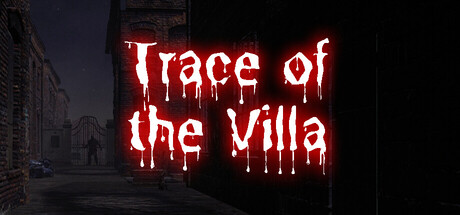
Trace of the Villa — why clue reading, object logic and story puzzles shape a mansion mystery
Trace of the Villa drops players into a decaying, deliberately erased mansion where Jin follows manifests and hints suggesting his missing sister might still be alive. The game pairs environmental storytelling with secured systems, hidden compartments and encrypted fragments that force careful clue reading and object-driven logic.

What it is
Trace of the Villa is a single-player narrative puzzle adventure from Steadyturtle Co., Ltd., released on 28 May, 2026. According to the Steam listing, protagonist Jin investigates a remote, decaying mansion where recovered manifests and hints suggest his missing sister may still be alive. The official description emphasizes restored power revealing secured systems, hidden compartments, safes and encrypted documents that reveal a pattern of falsified identities and masked movements — a setup built around clue-driven exploration and narrative puzzle design.
| Title | Trace of the Villa |
|---|---|
| Steam AppID | 3483660 |
| Release date | 28 May, 2026 |
| Developer / Publisher | Steadyturtle Co., Ltd. |
| Genres | Action, Adventure, Indie |
| Categories | Single-player; Color Alternatives; Custom Volume Controls; Playable without Timed Input; Subtitle Options; Family Sharing |
| Official short description | Jin has spent years searching for his missing sister, pursuing leads that took him to a remote, decaying mansion where he recovered manifests and hints that indicate his sister may still be alive, somewhere at the end of the trail he is about to follow. |
When and where
Trace of the Villa is available on Steam, released 28 May, 2026. If you want to see the store page or add it to your wishlist, use the official Steam link below before the embedded store widget.
How clues, object logic and story puzzles shape the experience
The Steam description makes the puzzle design intentions explicit: the mansion feels “less abandoned than erased,” and progression comes from restoring power and reactivating secured systems. That phrasing signals the kind of player work required — you read environmental traces (manifests, transfer records), manipulate systems and open safes or hidden compartments to reveal narrative fragments.
Three puzzle-lead behaviors to expect from the official copy:
- Clue reading: narrative progress depends on reading recovered manifests and fragments; those pieces stitch together a timeline and motive rather than delivering all answers at once.
- Object logic: the environment stores puzzles as hardware and locked containers — power systems, safes, and secured compartments — which require players to treat objects as functional evidence rather than mere props.
- Story puzzles: each solved lock or decrypted document reveals another narrative layer (falsified identities, financial trails) so puzzles serve both mechanical and expository roles.
Because the Steam listing lists “Playable without Timed Input” and “Subtitle Options,” the experience appears tuned toward methodical, slow-burn investigation rather than twitch reflexes — a fit for players who prefer puzzle reading over pressure-driven challenges.

Who this suits — concrete player scenarios
Decide whether to wishlist Trace of the Villa by matching these scenarios to your playstyle:
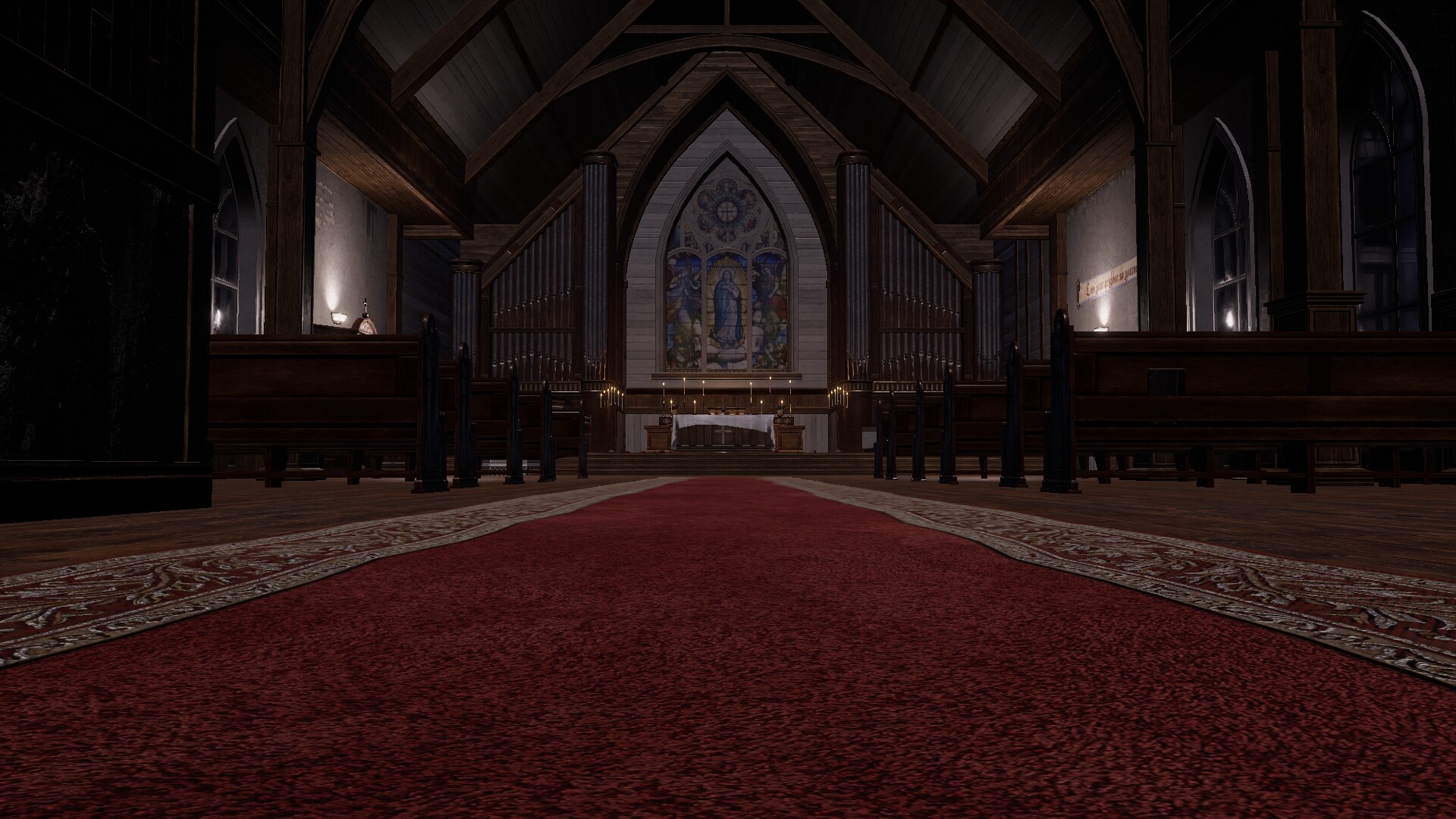
- You enjoy atmospheric mystery adventure with a focus on environmental storytelling and slow-burn suspense — you’ll appreciate the mansion-as-evidence approach.
- You like puzzles that reveal story rather than interrupt it: opening safes or reactivating systems yields narrative fragments that push investigation forward.
- You prefer methodical single-player games with accessibility options like subtitle support and the ability to play without timed inputs.
- You’re curious about investigative tone rather than jump-scare horror; the description foregrounds reconstruction of timelines and falsified identities over overt horror spectacle.
How it compares (editorial discovery)
Below is a concise, lawful editorial comparison on genre, atmosphere, puzzle focus, exploration style, story tone and pacing with a few other narrative/puzzle-adjacent Steam titles. These comparisons are intended to help readers place Trace of the Villa in context, not to claim superiority.
| Title | Genre / Release | Atmosphere & Puzzle Focus | Exploration Style | Story Tone & Pacing |
|---|---|---|---|---|
| Trace of the Villa | Action / Adventure / Indie — 28 May, 2026 | Mansion mystery; clue-driven puzzles around systems, safes and encrypted documents | Single-player, environmental investigation | Slow-burn, investigative, reveals narrative through recovered records |
| The Room | Adventure / Indie — 28 Jul, 2014 | Mechanical, tactile puzzles centered on a cast-iron safe and ornate devices | Isolated puzzle rooms with a focused, object-centric progression | Intimate, curiosity-driven — puzzle-first with a mysterious hook |
| The Room Two | Adventure / Indie — 5 Jul, 2016 | Continues mechanical, object-based puzzles across a broader sequence of scenes | Sequential scenes that expand the scope of mechanical puzzles | Expands the first game’s mystery with similar puzzle pacing |
| Unpacking | Casual / Indie / Simulation — 1 Nov, 2021 | Zen, domestic puzzles that reveal a life story through objects and placement | Room-by-room arrangement; narrative emerges from item contextSteam page
View Trace of the Villa on Steam YouTube discoveryFor trailer and gameplay discovery, use YouTube search rather than relying on unverified embeds: Find Trace of the Villa trailer and gameplay searches on YouTube. CommentsMore posts |
Leave a Reply