Trace of the Villa: a clue-driven, narrative puzzle adventure about identity and disappearance
Trace of the Villa positions you as Jin, a man who follows a cold lead to a decaying, off-grid mansion where manifests, safes and restored systems hint that his missing sister might still be alive. Released on 28 May, 2026 by Steadyturtle Co., Ltd., the game foregrounds environmental storytelling, object logic and layered story puzzles to reveal a deliberately erased past.

Who, what, when, where, why and how — a quick guide for Steam players deciding whether to wishlist:
Who it is for
- Players who prefer slow-burn, atmospheric mystery adventure and narrative puzzle design over action-heavy thrills.
- Fans of environmental storytelling who enjoy reading manifests, examining salvaged items and reconstructing timelines from fragments.
- Single-player PC gamers who want subtitle options and accessibility features such as color alternatives and custom volume controls (see categories).
What the game is
Trace of the Villa is listed on Steam as an Action / Adventure / Indie title developed and published by Steadyturtle Co., Ltd. The official premise centers on Jin’s search for his missing sister in a remote, deliberately neglected mansion. As Jin restores power, locked compartments, safes and encrypted documents begin to reveal a hidden operation — a narrative built around clues, objects and the unraveling of falsified identities.
When and where
Trace of the Villa released on Steam on 28 May, 2026. It appears on PC via its Steam store page and carries Steam categories including Single-player, Color Alternatives, Custom Volume Controls, Playable without Timed Input, Subtitle Options and Family Sharing.
Why the theme matters
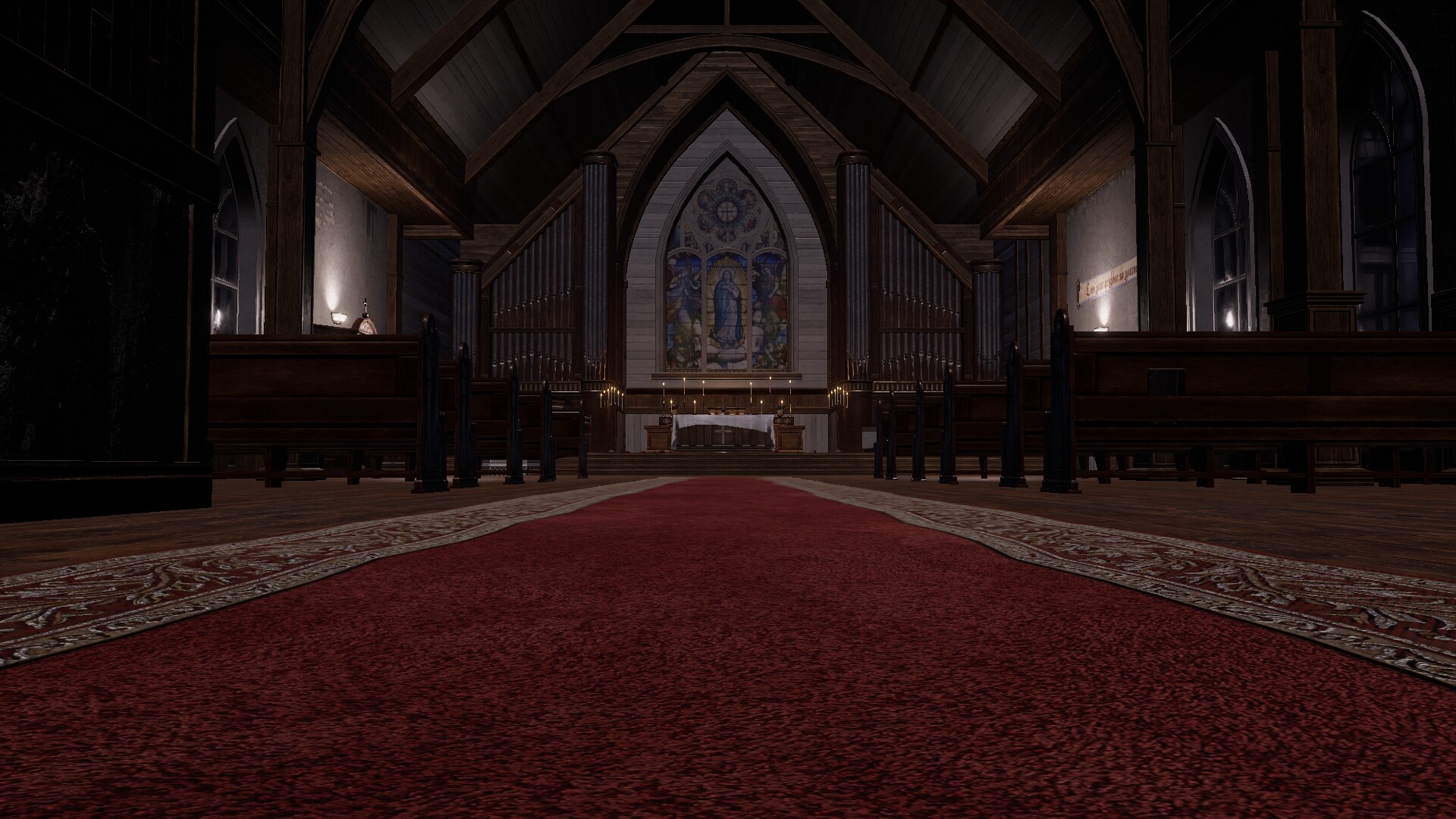
The core theme — a house “less abandoned than erased” — makes clue reading central to pacing and tone. Removing photographs and names, portraying rooms mid-use, and leaving financial and identity traces incomplete creates a persistent sense of uncanny absence. That absence is what the puzzles are built to interrogate: solving a safe or restoring a terminal doesn’t just open a door mechanically, it unlocks contextual fragments that reframe the narrative.
How progression and puzzles work (clue reading, object logic, story puzzles)
Official descriptions emphasize systems that come back online, hidden compartments, safes and fragments of encrypted documents. That suggests progression leans on three interlocking puzzle modes:
- Clue reading: manifests, transfer records and encrypted fragments provide textual breadcrumbs that must be read for names, dates and inconsistencies.
- Object logic: physical items and furnishings are staged as evidence — where an object sits relative to others, or how it’s been secured, supplies logical links that point toward the next interaction.
- Story puzzles: broader narrative reveals (restored power, unlocking systems) turn solved puzzles into new story context rather than isolated mechanical gates.
Put simply: you don’t just match patterns — you interpret what an item’s presence or absence means for the people who lived (or were held) here. That approach favors players who enjoy patient detective work and piecing together timelines from ambient detail.

Compact facts — Trace of the Villa
| Title | Trace of the Villa |
|---|---|
| Release date | 28 May, 2026 |
| Developer / Publisher | Steadyturtle Co., Ltd. |
| Genres | Action, Adventure, Indie |
| Key Steam categories | Single-player; Color Alternatives; Custom Volume Controls; Playable without Timed Input; Subtitle Options; Family Sharing |
| Premise | Jin investigates a decaying, off-grid mansion and uncovers manifests, hidden compartments and encrypted documents that suggest his missing sister may still be alive. |
How it compares (editorial discovery)
Below is a focused editorial comparison with a few nearby puzzle-adventure entries; comparisons use genre, atmosphere, puzzle focus, exploration style, story tone and pacing.
| Title | Atmosphere | Puzzle focus | Exploration style | Pacing / player fit |
|---|---|---|---|---|
| Trace of the Villa | Slow-burn mansion mystery; uncanny, erased identities | Clue reading, object logic, story-linked safes and systems | Investigative, room-by-room restoration and systems reopening | Players who like patient detective work and narrative payoff |
| The Room / The Room Two | Isolated, tactile mechanical mystery | Focused mechanical puzzles and intricate physical devices | Contained scene-based puzzles with handcrafted objects | Players who enjoy tactile, single-focus puzzle boxes |
| Escape Simulator | Bright, interactive escape-room environments | Highly interactive object manipulation; physics-driven puzzles | Room-based, often cooperative or community-driven | Players who want fast, hands-on interactions and variety |
| Unpacking | Zen, domestic, intimately narrative | Object placement as storytelling (non-confrontational) | Slow, domestic exploration through items and rooms | Players who prefer gentle, story-through-objects experiences |
Player scenarios — who should wishlist (and why)
- Scenario A — You enjoy methodical detective play: If you like parsing documents and tracing timelines to unlock narrative beats, this title’s clue-driven design will reward that patience.
- Scenario B — You want atmospheric suspense without twitch skill checks: The Steam categories note “Playable without Timed Input” and subtitle/accessibility options, which point toward a contemplative, accessible pace.
- Scenario C — You prefer tactile puzzle boxes over narrative depth: Consider pairing Trace of the Villa with a mechanically focused game like The Room if you want greater emphasis on intricate object mechanics rather than story deconstruction.
YouTube discovery
Looking for trailers or gameplay clips? Use this YouTube search path to find relevant videos: Search Trace of the Villa trailers and gameplay on YouTube. (This is a discovery link; specific videos should be treated as user-uploaded unless verified otherwise.)
View Trace of the Villa on Steam
Disclaimer: Referenced titles and trademarks belong to their respective owners. Comparisons above are lawful editorial discovery meant to help readers evaluate fit and preference; they are not endorsements or claims of superiority.
Leave a Reply